Fosroc construction chemicals
Concrete Repair Mortars
Concrete repair is the reinstatement of concrete that has lost section through spalling, delamination, impact or reinforcement corrosion. CSA supplies the Fosroc repair range for remedial builders, concrete repair contractors and asset owners working on car parks, balconies, marine structures, water assets and industrial slabs.
The repair mortar is rarely what decides the outcome. Substrate preparation, treatment of exposed reinforcement and the bond at the repair perimeter matter more than the product on the bag, which is why the selection guidance below starts with the substrate.
What decides the selection
- Repair depth and whether formwork is practical
- Orientation: overhead, vertical or horizontal
- Structural reinstatement versus cosmetic making good
- Parent concrete strength and modulus
- Exposure: internal, external, marine or chemical
- Return-to-service time available on the job
Preparing the substrate before any mortar goes on
Break back to sound concrete. Repairs placed over drummy or carbonated concrete fail at the interface regardless of the mortar used. Saw-cut the perimeter of the repair to a defined depth rather than feathering the edge, because a feather edge has no mechanical strength and debonds first.
Where reinforcement is exposed, expose it fully around its circumference so the corroded face can be cleaned, not just the visible side. Clean the steel back to bright metal, then decide whether a reinforcement primer is required for the exposure conditions. Dampen porous substrates to a saturated surface dry condition before applying a cementitious mortar, or the substrate will draw water out of the mix and compromise hydration.
- Break back to sound, uncarbonated concrete
- Saw-cut the perimeter, never feather the edge
- Expose reinforcement fully around its circumference
- Clean steel to bright metal before priming
- Bring cementitious substrates to saturated surface dry
Choosing between hand-applied and flowable repair
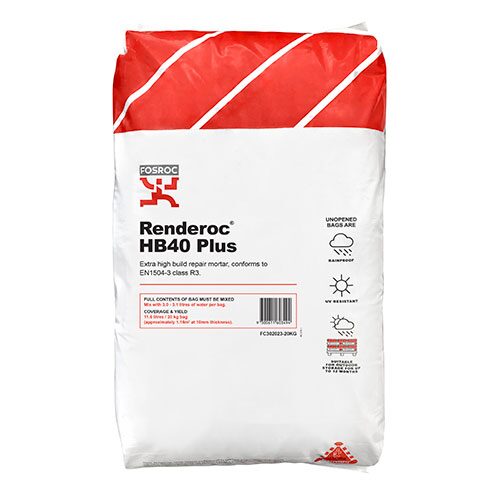
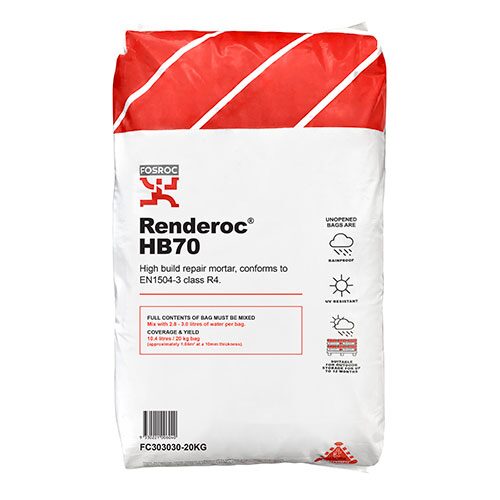
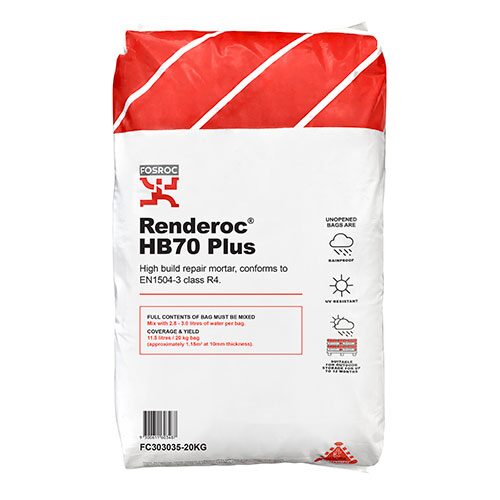
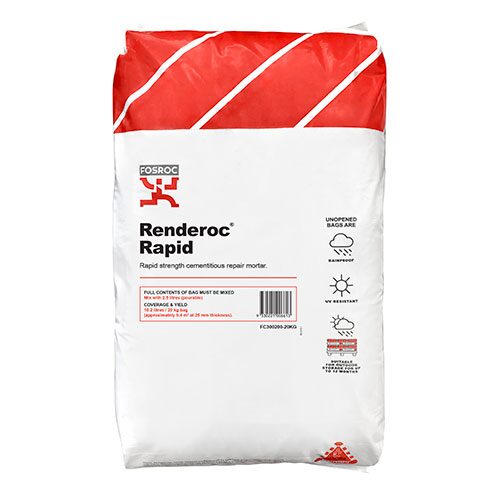
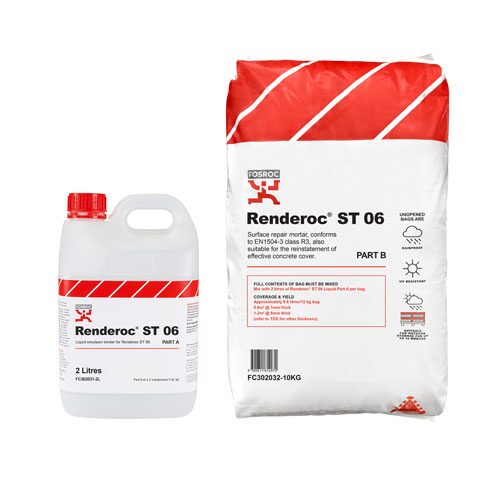
Hand-applied thixotropic mortars hold their shape on vertical and overhead work and suit patch repairs where formwork is impractical. Build thickness is limited per pass, so deep repairs are built up in layers with the stated waiting time between them.
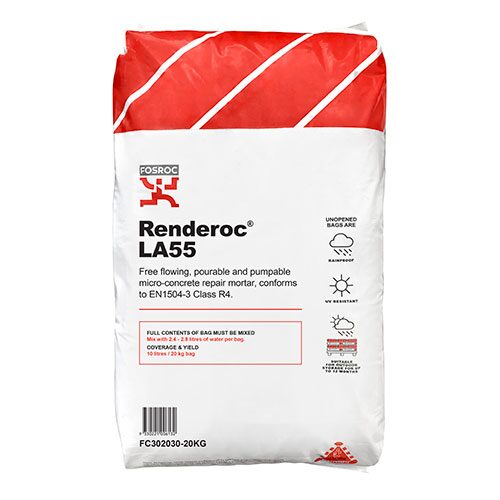
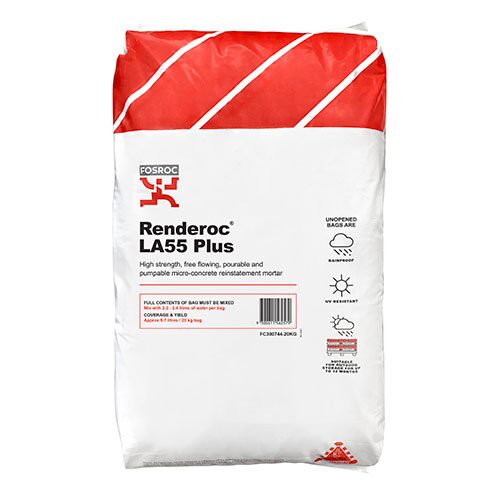
Flowable micro-concretes are poured into formwork and suit deep repairs, full-section reinstatement and congested reinforcement where a hand-applied mortar cannot be compacted around the bars. They need a formed and sealed pour with a head of material, and they are the better choice where the repair depth or volume makes hand application impractical.
Matching the repair to the parent concrete
A repair mortar substantially stiffer or stronger than the parent concrete attracts load and can crack the surrounding substrate. Match modulus and strength to the parent concrete rather than defaulting to the highest-strength product available. Where the repair is cosmetic rather than structural, a fairing coat or levelling mortar finishes the surface without adding unnecessary stiffness.
Where the underlying cause is carbonation or chloride ingress, patch repair alone treats the symptom. The repaired area becomes a low-chloride patch adjacent to contaminated concrete, which can accelerate corrosion at the patch edge (the incipient anode effect). Consider a protective coating over the wider element as part of the remediation strategy.
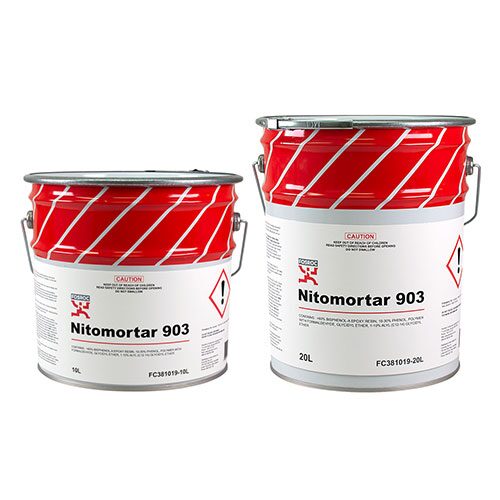
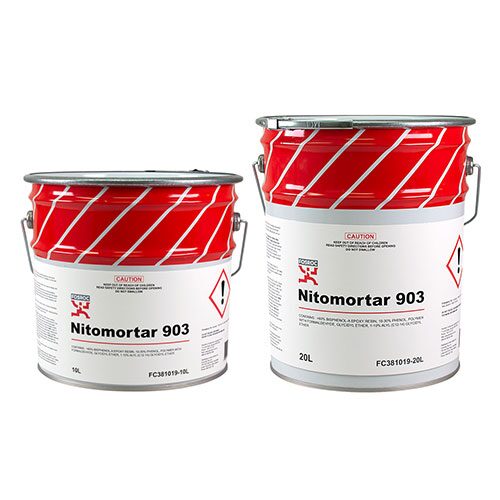
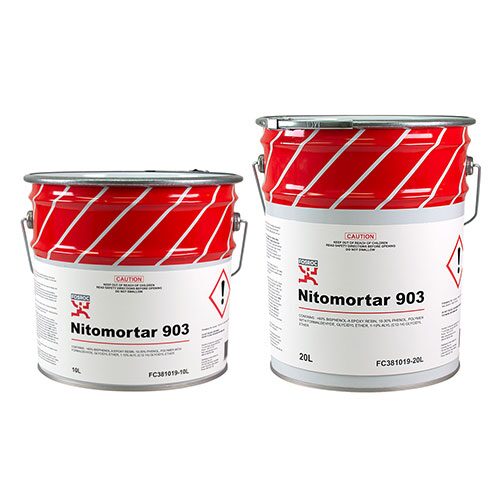
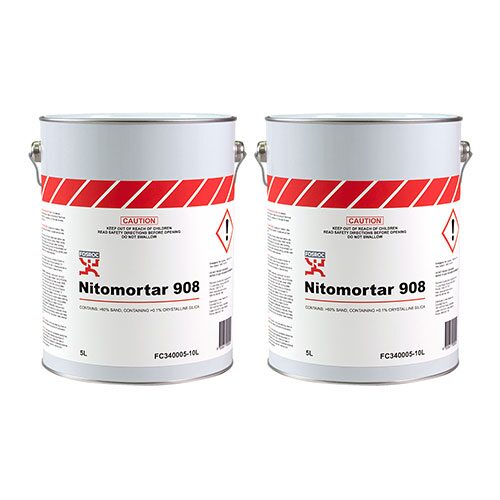
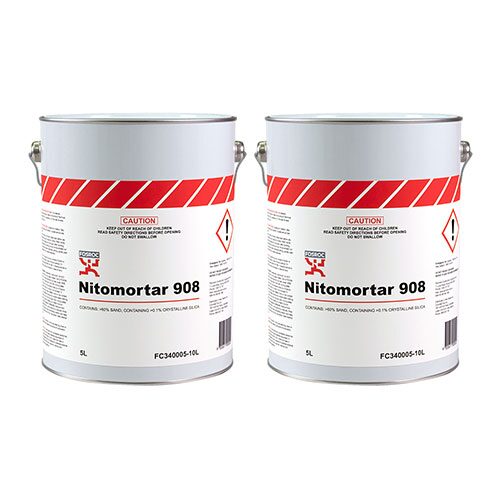
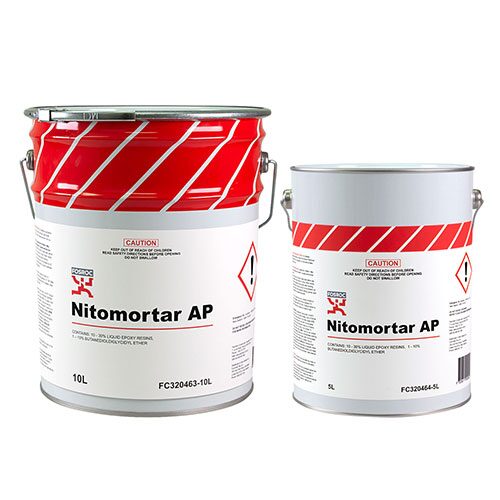
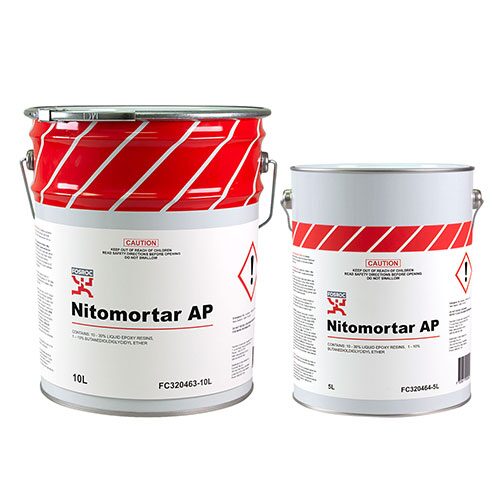
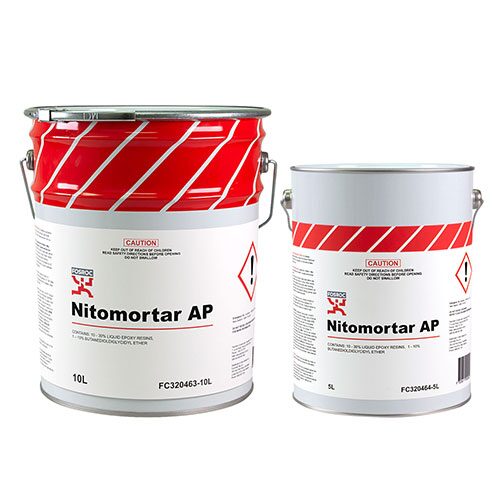
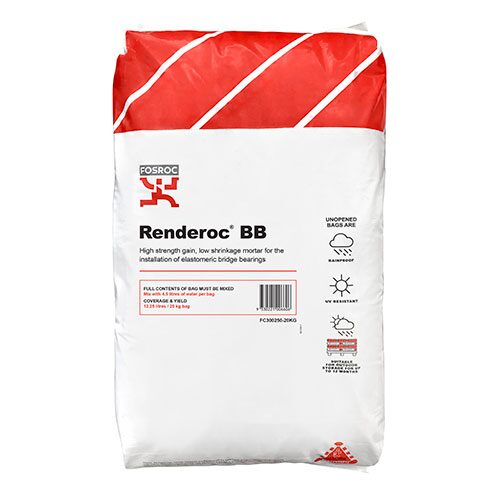
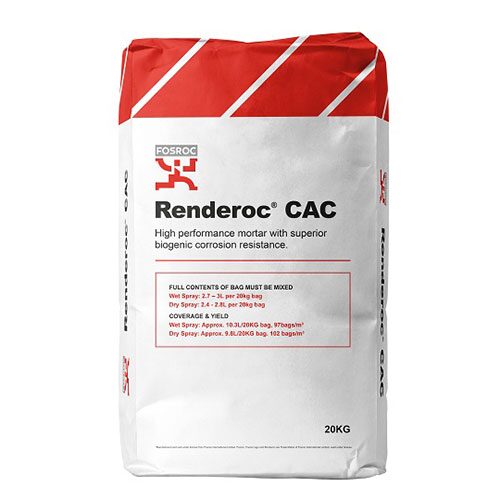
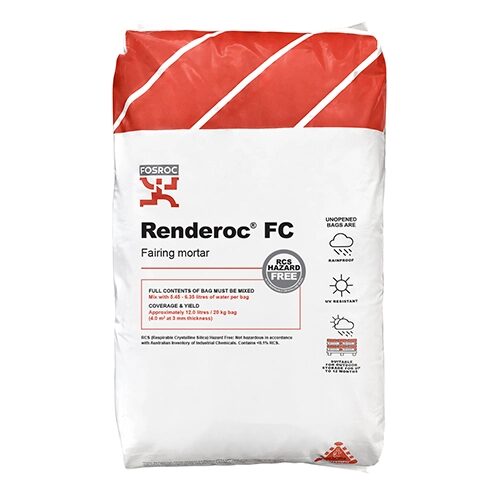
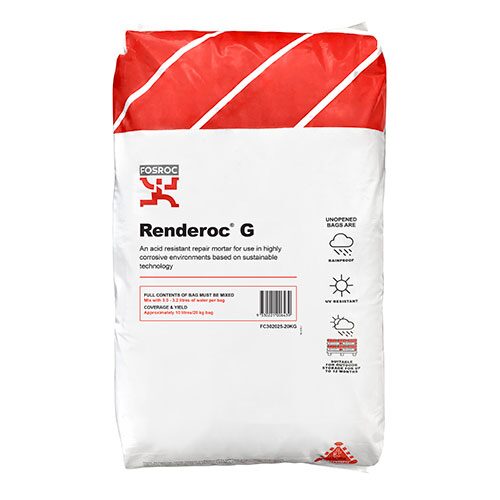
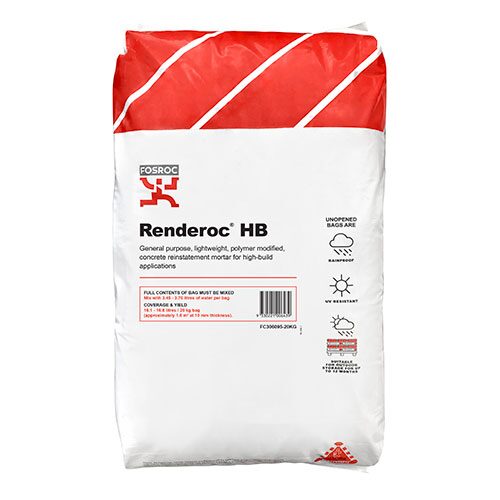
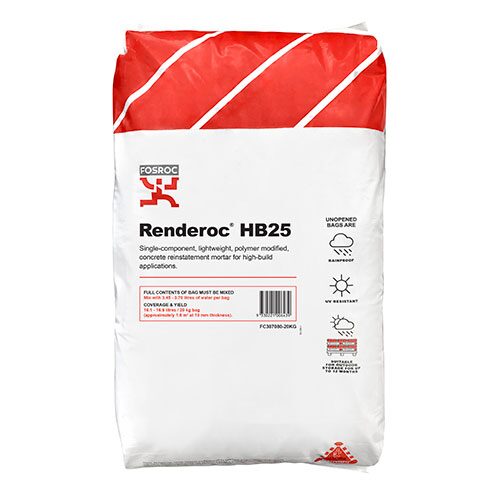
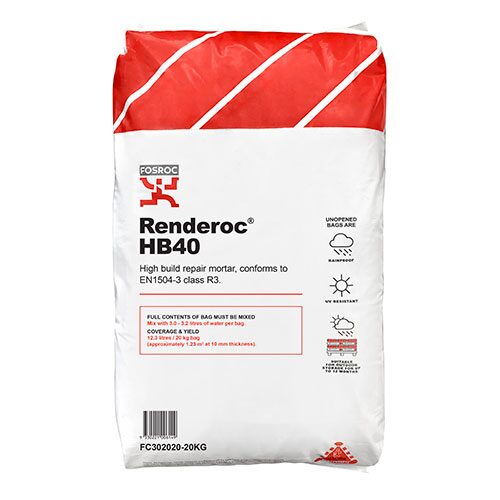
Concrete Repair Mortars in the catalogue
All Fosroc products →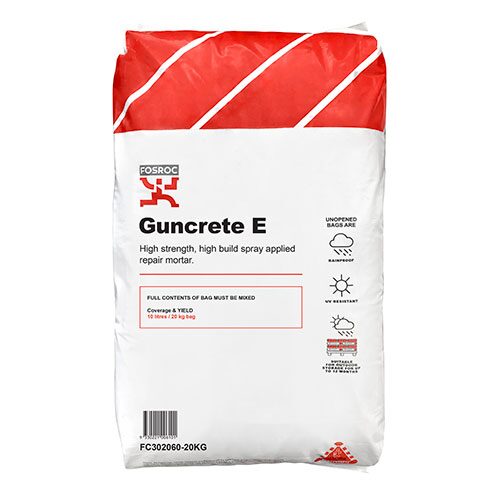
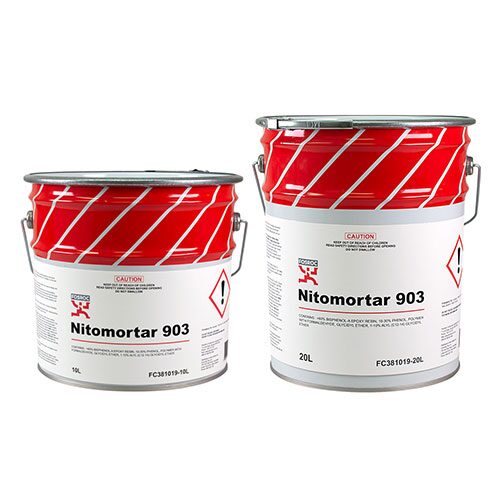
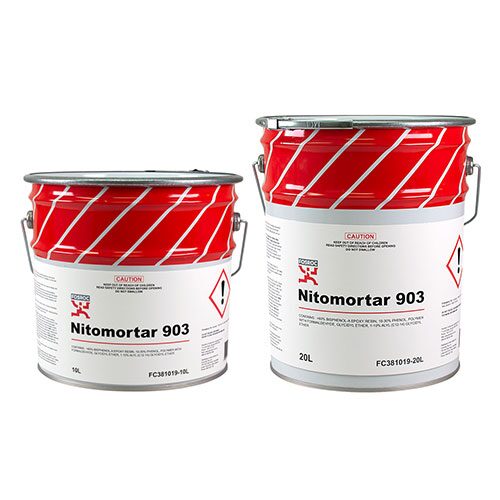
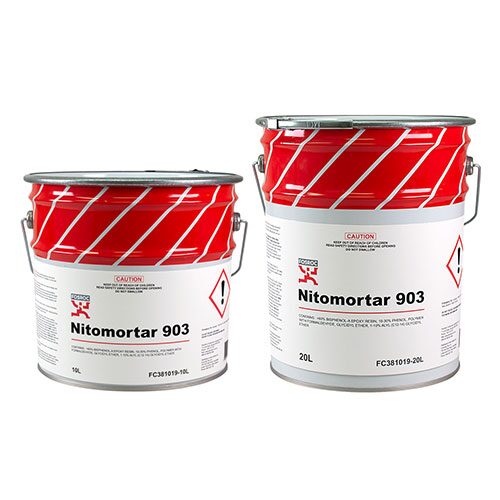
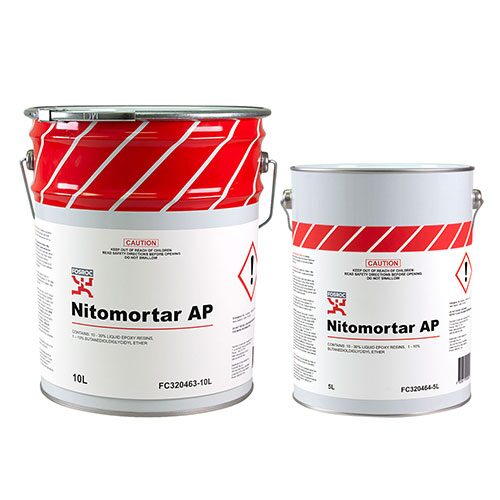
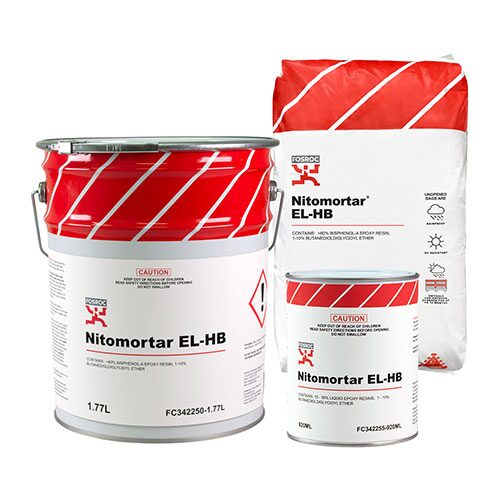
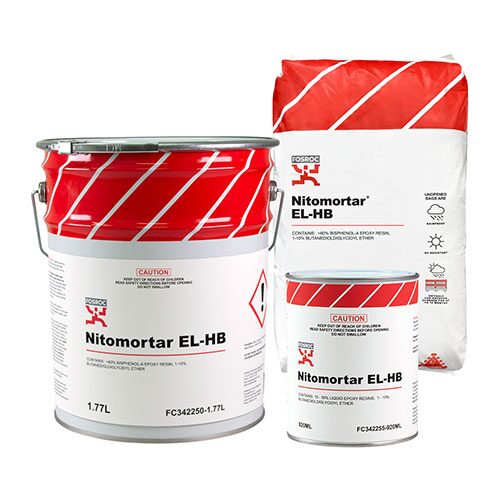
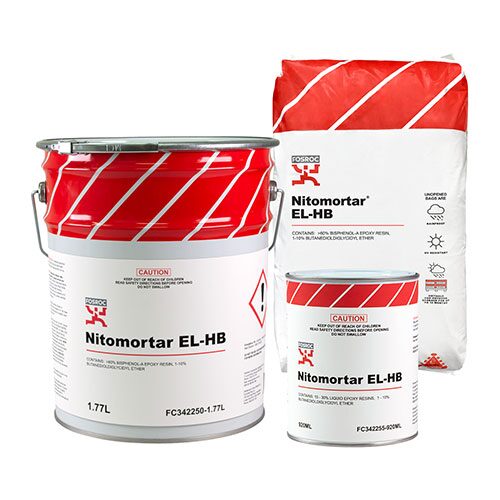
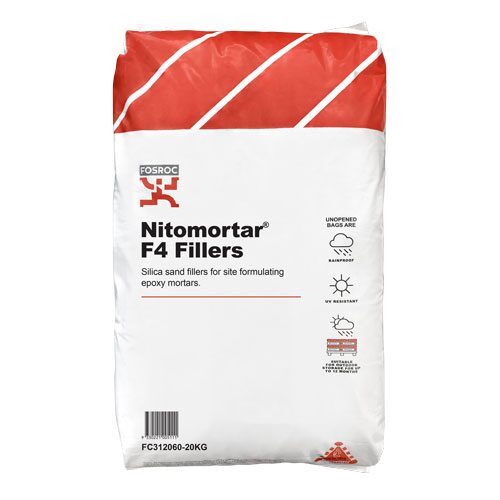
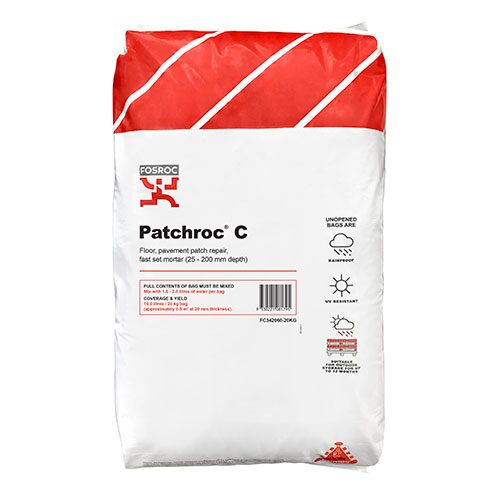
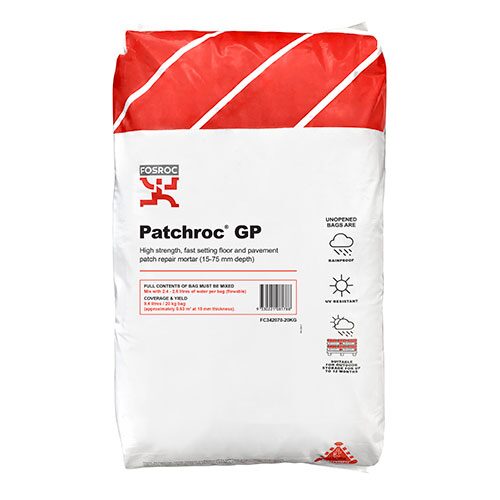
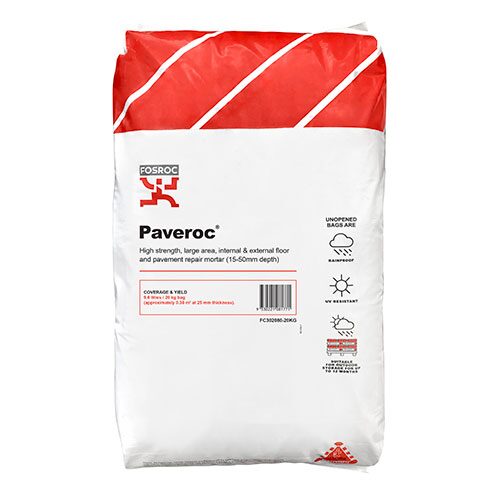
Concrete Repair Mortars: common questions
- Do I need to prime exposed reinforcement in a concrete repair?
- It depends on the exposure and the repair system. Where chlorides are present, or where cover to the reinstated steel will remain low, a reinforcement primer is normally specified. Where the steel is clean, cover is adequate and the mortar is alkaline and dense, some systems do not require it. Follow the specification and the product technical data sheet for the mortar you are using.
- Why does my patch repair keep cracking at the edge?
- The most common causes are a feathered edge instead of a saw-cut perimeter, a repair mortar much stiffer than the parent concrete, and inadequate curing that allows the repair to shrink away from the substrate. All three concentrate stress at the interface.
- Can I apply repair mortar to a wet substrate?
- Cementitious repair mortars are normally applied to a saturated surface dry substrate: damp, with no standing water or free surface moisture. Standing water dilutes the mix at the interface and prevents bond. Epoxy-based systems generally require a dry substrate unless the product is specifically formulated for damp application.
- What is the incipient anode effect?
- After a patch repair, the repaired area contains clean, alkaline material while the surrounding concrete may still hold chlorides. This difference can drive corrosion in the parent concrete immediately adjacent to the patch, producing new spalling around the edge of a repair that was itself sound. It is a reason to treat the cause across the whole element, not just the visible damage.
Related systems
Protective Concrete Coatings
Anti-carbonation, chemical-resistant and decorative protective coatings that extend the service life of concrete.
Crack Injection Resins
Epoxy and polyurethane injection resins, packers and equipment for structural crack repair and water stopping.
Primers & Bonding Agents
Substrate primers, bonding agents and reinforcement primers that make the system above them work.