Fosroc construction chemicals
Crack Injection Resins
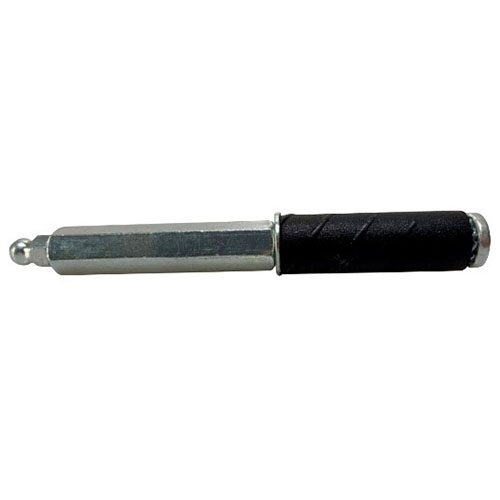
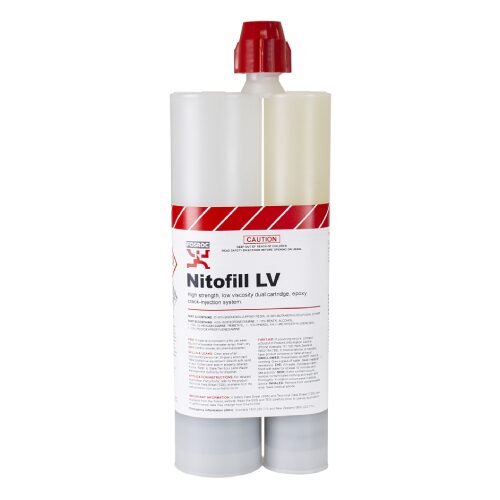
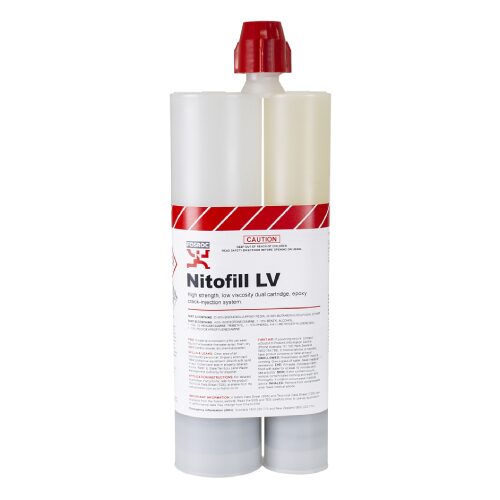
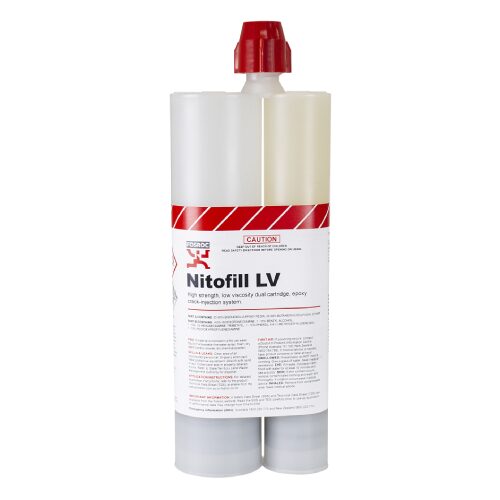
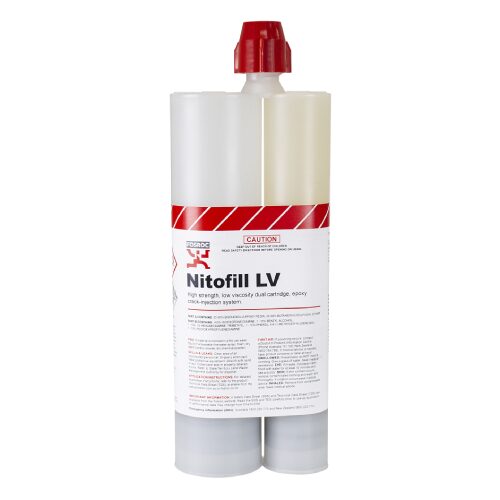
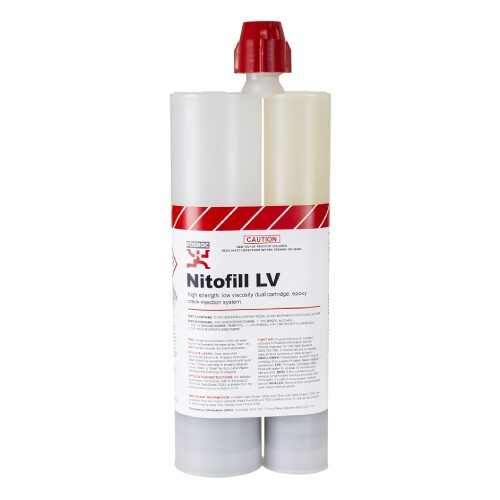
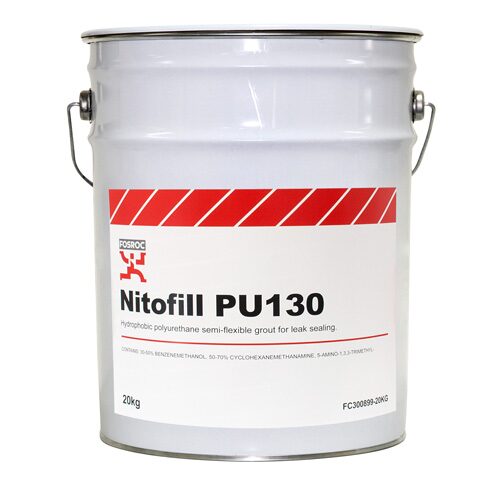
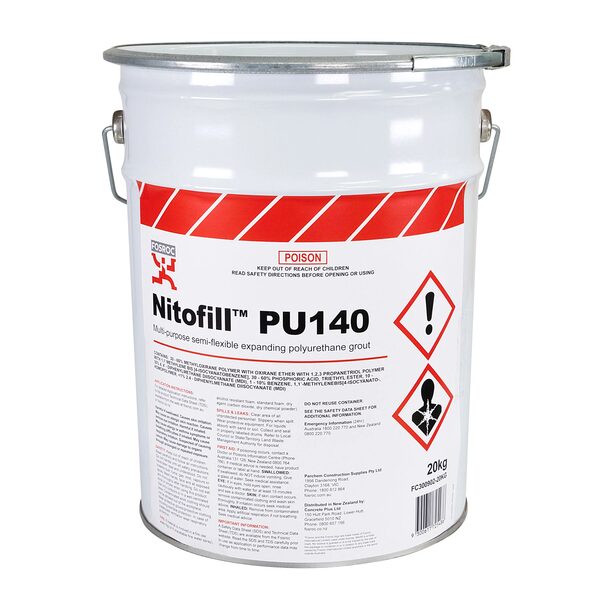
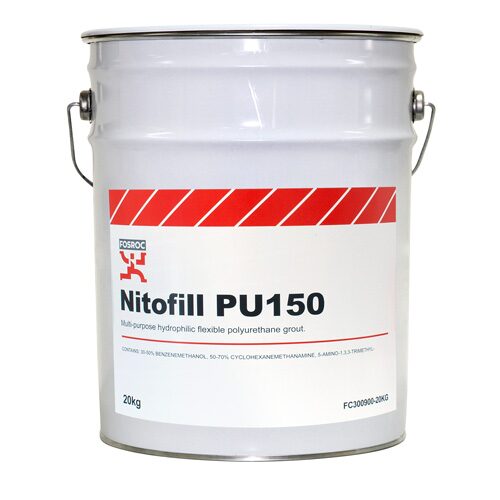
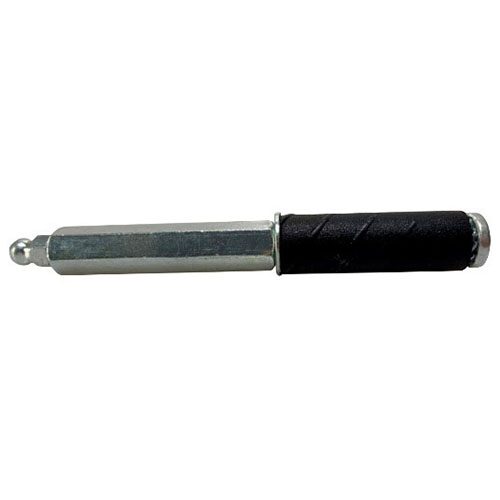
Crack injection fills a crack with resin to restore structural continuity or to stop water passing through it. CSA supplies the Fosroc Nitofill range along with packers, couplers and accessories for remedial contractors and structural engineers.
The first question is not which resin but whether the crack is still moving, and whether it is dry or leaking. Those two answers determine the chemistry.
What decides the selection
- Dormant or actively moving crack
- Dry crack or active water ingress
- Structural restoration required, or water stopping only
- Crack width and element thickness
- Access to one face or both
- Injection equipment available
Epoxy or polyurethane
Low viscosity epoxy injection is used on dormant structural cracks in dry concrete. Cured epoxy is typically stronger than the parent concrete, so a correctly injected crack is restored to a monolithic condition. Epoxy requires a dry or near-dry crack and a crack that is not moving, because the rigid resin cannot accommodate further movement.
Polyurethane resins are used to stop active water ingress. They react with water, expand and form a flexible seal that chases the water path. They do not restore structural capacity, and they are the correct choice for a leaking construction joint or a live crack, where epoxy would either be washed out during injection or crack again immediately afterwards.
Assessing the crack first
Establish the cause before injecting. A crack from a one-off overload or early thermal contraction may be dormant and suitable for epoxy. A crack caused by ongoing settlement, thermal cycling or an inadequate movement joint is live, and injecting it rigidly just moves the crack a few millimetres sideways.
Monitor suspected live cracks with tell-tales or crack gauges through a full thermal cycle where the program allows it. Where movement is confirmed and will continue, the right answer is often to convert the crack into a designed movement joint rather than to inject it.
- Identify the cause before choosing a resin
- Monitor suspected live cracks before injecting rigidly
- Epoxy for dormant, dry, structural cracks
- Polyurethane for active water ingress and live cracks
- Consider converting a persistent live crack into a movement joint
Injection method
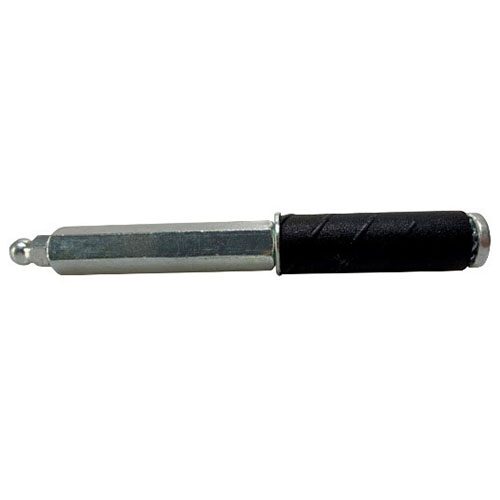
Surface ports or mechanical packers are set along the crack at a spacing usually related to the element thickness, so that resin injected at one port travels through the crack and appears at the next. The crack face between ports is sealed so resin cannot escape.
Injection proceeds from the lowest point upward on a vertical crack, and from one end to the other on a horizontal crack, moving to the next port when resin appears there. That sequence pushes air ahead of the resin rather than trapping it. Once cured, ports are removed and the surface seal ground off.
Crack Injection Resins in the catalogue
All Fosroc products →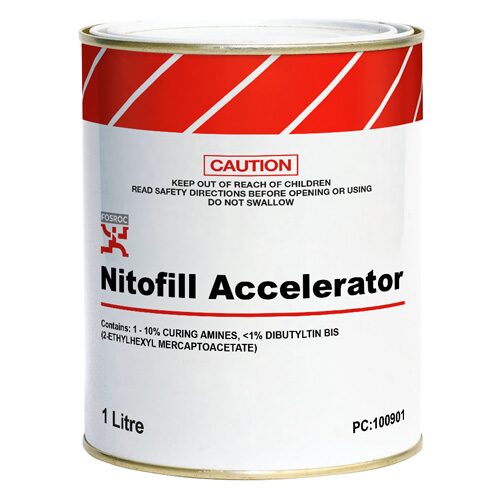
Crack Injection Resins: common questions
- Should I use epoxy or polyurethane to inject a crack?
- Epoxy for a dormant, dry crack where you need to restore structural continuity. Polyurethane for a crack that is leaking or still moving, where the priority is stopping water and accommodating movement. Injecting a live crack with epoxy generally results in a new crack alongside the repair.
- Can you inject a crack that is currently leaking water?
- Yes, with a water-reactive polyurethane resin. That is precisely the application. Epoxy cannot be used in a flowing crack because it will be diluted and washed out before it cures.
- How do I know if a crack is still moving?
- Install crack monitoring gauges or tell-tales and observe over a period that includes a reasonable temperature range. Cracks that open and close seasonally are live. On a structure where failure would matter, this assessment should involve a structural engineer.
- Does injection restore the strength of the concrete?
- Epoxy injection of a dormant crack can restore structural continuity, because cured epoxy is typically stronger than the surrounding concrete. Polyurethane injection seals against water but does not restore structural capacity.
Related systems
Concrete Repair Mortars
Hand-applied and flowable repair mortars for spalled concrete, exposed reinforcement and structural reinstatement.
Waterstops & Joint Sealing Systems
PVC, hydrophilic and injectable waterstops for construction and movement joints in water-retaining and below-ground structures.
Protective Concrete Coatings
Anti-carbonation, chemical-resistant and decorative protective coatings that extend the service life of concrete.