Fosroc construction chemicals
Protective Concrete Coatings
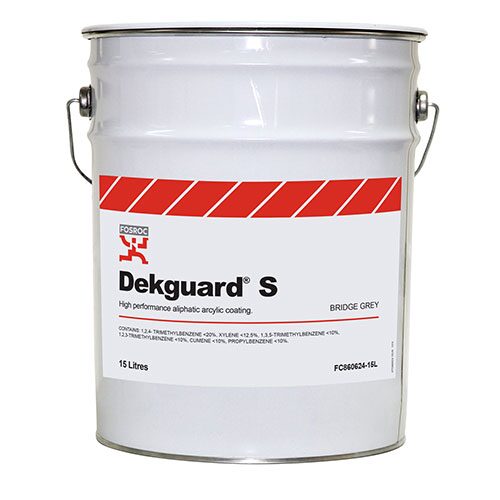
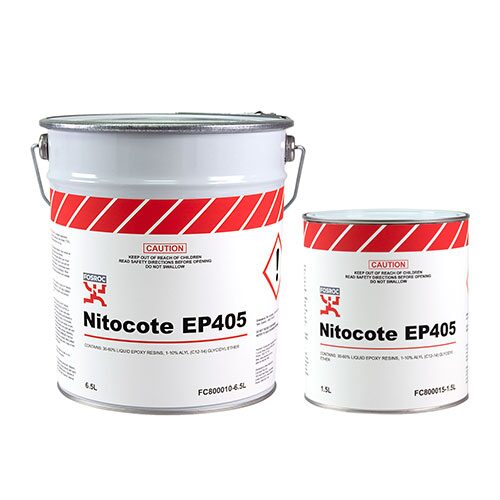
Protective coatings slow the mechanisms that corrode reinforcement and degrade concrete: carbonation, chloride ingress, chemical attack and water penetration. CSA supplies the Fosroc Dekguard and Nitocote ranges for asset owners, facade engineers and remedial specifiers.
A protective coating applied as part of a repair strategy addresses the cause. A repair without it treats the visible damage and leaves the mechanism running.
What decides the selection
- Dominant mechanism: carbonation, chloride or chemical attack
- Exposure classification and environment
- Whether a film-forming or penetrating product is acceptable visually
- Crack bridging requirement
- Vapour permeability needs of the substrate
- Specific chemical, concentration and temperature for lining duties
- Access and maintenance cycle
The two durability mechanisms that matter most
Carbonation is the reaction of atmospheric carbon dioxide with the alkaline pore solution in concrete. As the carbonation front advances and reaches the reinforcement, pore pH drops and the passive oxide layer protecting the steel breaks down, allowing corrosion to begin. It is the dominant mechanism in urban and inland environments.
Chloride ingress is the dominant mechanism in coastal and marine exposure and anywhere de-icing salts or process chlorides are present. Chlorides break down the passive layer locally, producing pitting corrosion that can be severe even where the concrete looks sound. AS 3600 exposure classifications set cover and concrete quality requirements against these conditions.
Anti-carbonation coatings and vapour permeability
An anti-carbonation coating works as a barrier to carbon dioxide while remaining permeable to water vapour, so moisture already in the substrate can escape. That combination is the whole point: a coating that blocks carbon dioxide but also traps moisture will blister, and on an external wall it can drive freeze-thaw or salt damage behind the film.
Check both properties when comparing products. Carbon dioxide diffusion resistance and water vapour diffusion resistance are usually quoted as equivalent air layer thicknesses, and a coating suitable for concrete will be high on the first and low on the second.
Impregnations, coatings and chemical-resistant linings
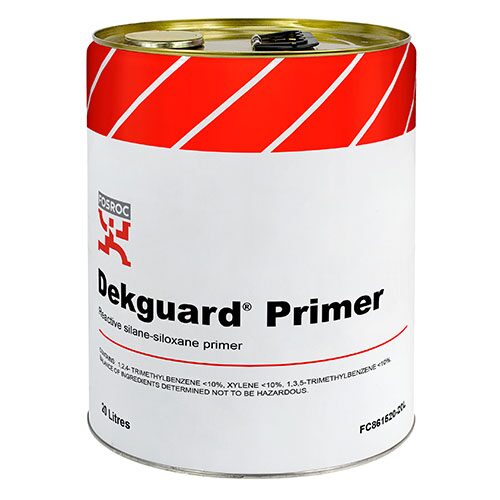
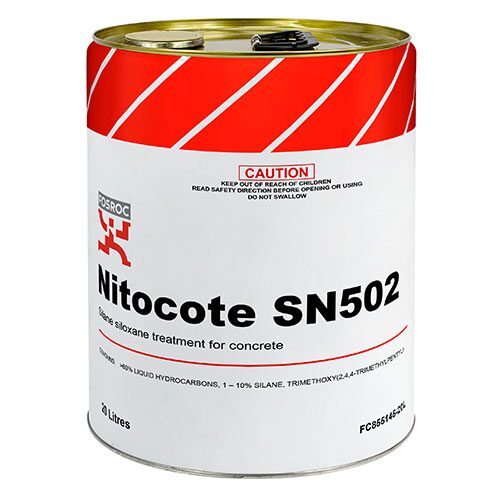
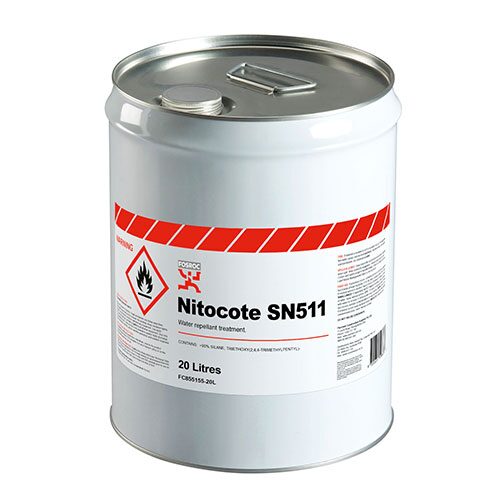
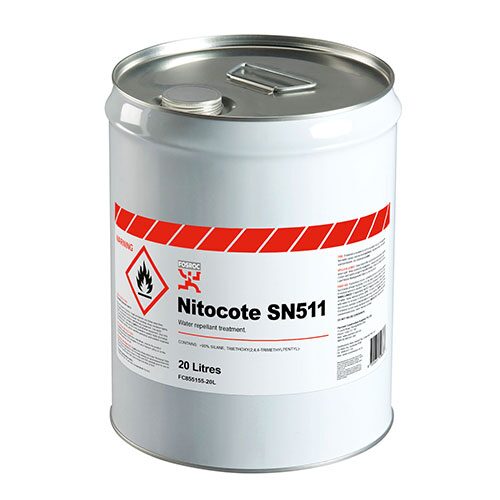
Silane and siloxane impregnations penetrate the surface and make it water repellent without forming a film. They keep liquid water and dissolved chlorides out while leaving the surface looking essentially unchanged, which suits exposed architectural concrete where a coating would be unacceptable. They do not bridge cracks and do little for carbonation.
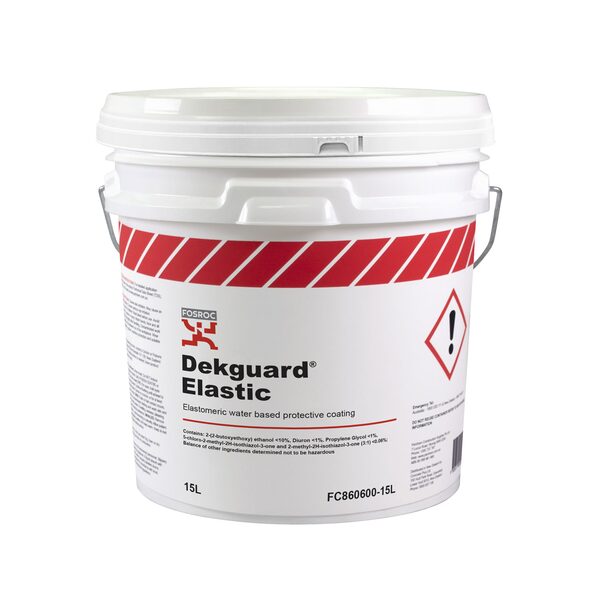
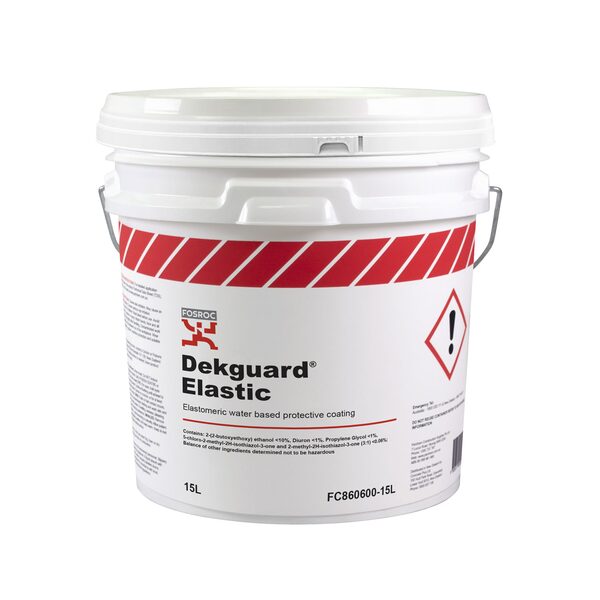
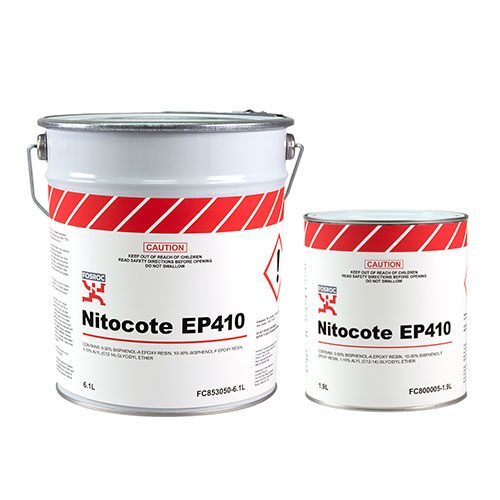
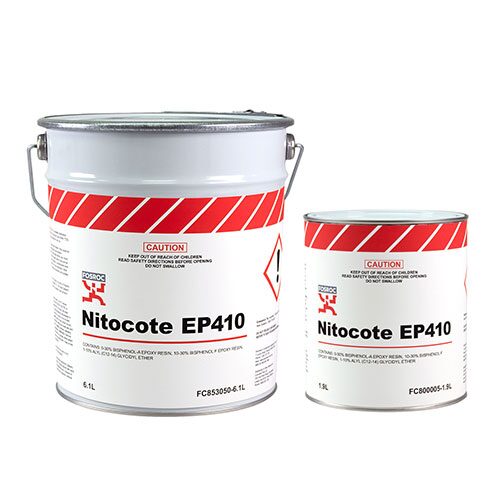
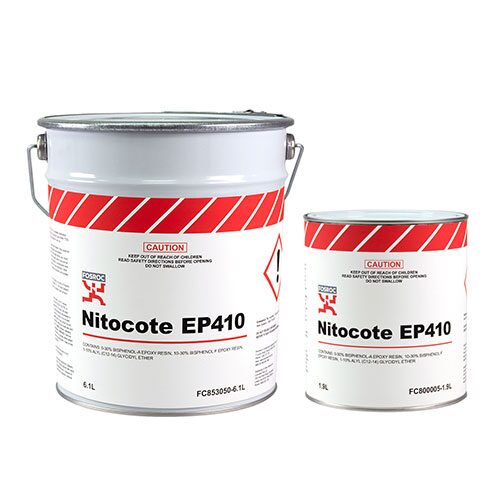
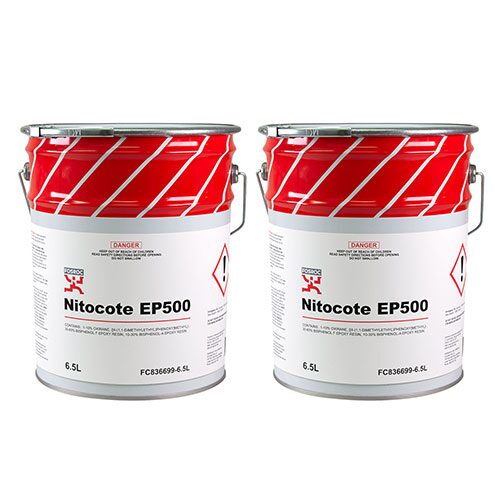
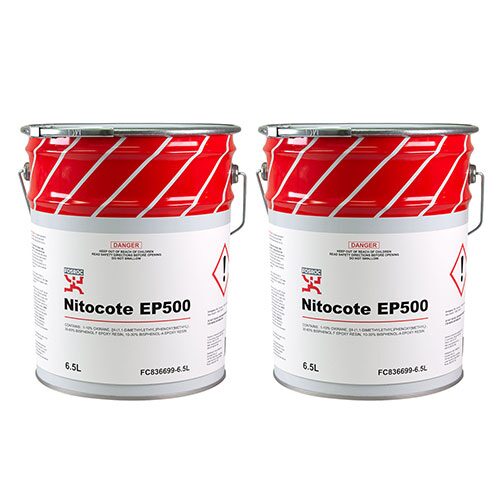
Film-forming elastomeric coatings can accommodate fine crack movement and provide a decorative finish as well as protection. Epoxy and chemical-resistant coatings are a different class again, used for bunds, plant rooms and process areas where the exposure is chemical rather than atmospheric, and they are selected against the specific chemical, concentration and temperature.
- Silane/siloxane impregnation: water repellent, no film, no crack bridging
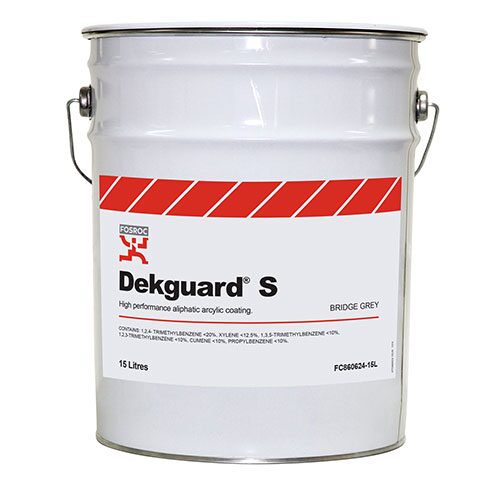
- Anti-carbonation coating: CO2 barrier, vapour permeable, decorative
- Elastomeric coating: accommodates fine crack movement
- Epoxy/chemical-resistant: bunds, plant rooms, process exposure
Preparation and realistic expectations
Coatings need a clean, sound, dry substrate. Repair defects, remove laitance and contamination, make good blowholes with a fairing coat where a uniform finish is required, and apply the specified primer. Coating over a substrate that has not been repaired simply hides the problem until it reappears.
Service life extension from a protective coating depends on the substrate condition, the exposure, the coating and the maintenance regime. Treat manufacturer durability data as what it is, testing under defined conditions, and avoid quoting a single service life figure as if it applied to every structure.
Protective Concrete Coatings in the catalogue
All Fosroc products →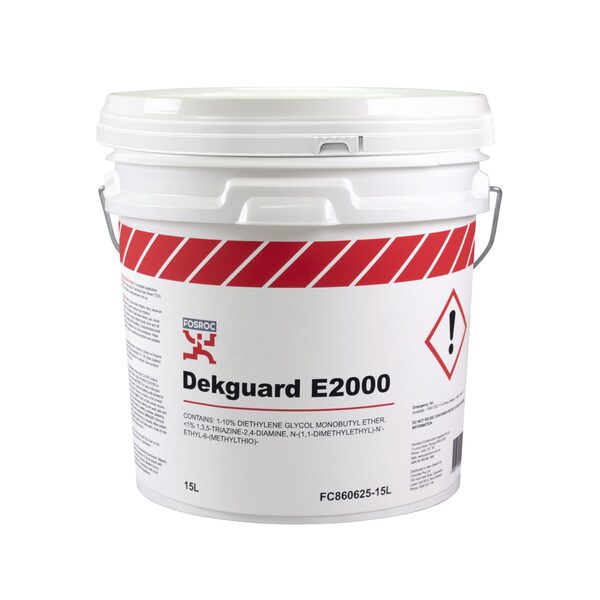
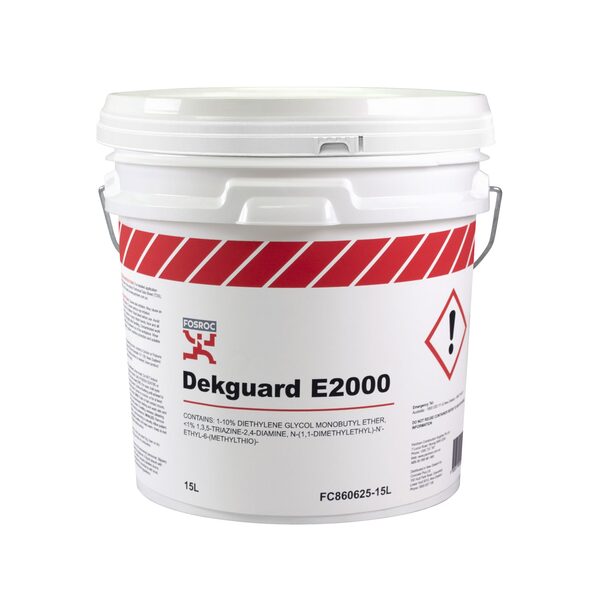
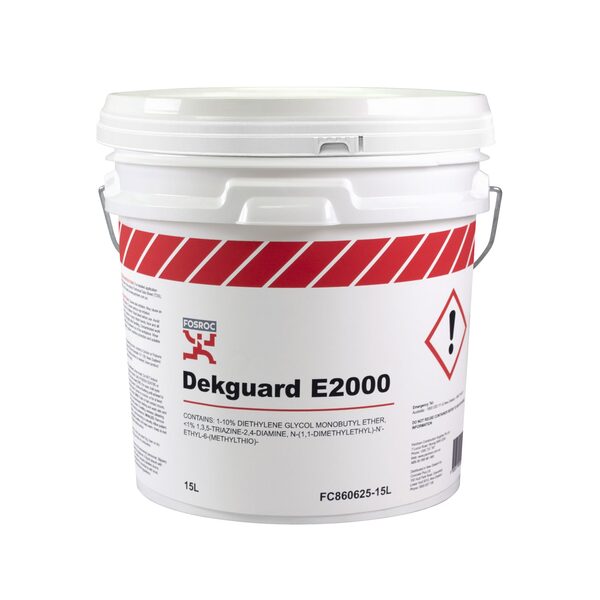
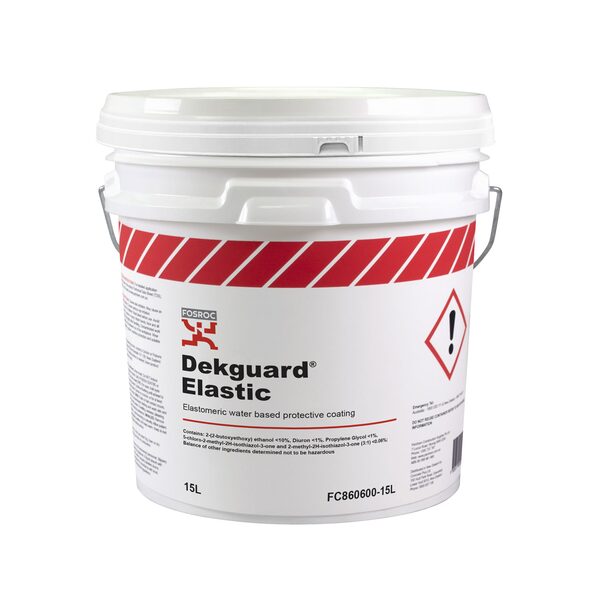
Protective Concrete Coatings: common questions
- What is the difference between an anti-carbonation coating and a water repellent?
- An anti-carbonation coating forms a film that resists carbon dioxide while staying vapour permeable, and it changes the appearance of the surface. A silane or siloxane water repellent penetrates the surface and keeps liquid water and dissolved chlorides out without forming a film or notably changing appearance, but it does little against carbonation.
- Why is my protective coating blistering?
- Usually moisture trapped behind a coating that is not sufficiently vapour permeable, or a coating applied to a damp substrate. On concrete, vapour permeability is as important as the barrier property, and applying a vapour-tight coating to a wall that has to dry is a common mistake.
- Will a coating stop existing reinforcement corrosion?
- Not on its own. A coating slows the ingress of the agents that drive corrosion, but corrosion already underway in contaminated concrete needs the damaged concrete repaired and the cause addressed. A coating is part of a remediation strategy, not a substitute for one.
- Can protective coatings bridge cracks?
- Elastomeric coatings can accommodate fine, low-movement cracks within a stated limit. Structural or actively moving cracks need to be treated as cracks, by injection or by forming a movement joint, before any coating is applied.
Related systems
Concrete Repair Mortars
Hand-applied and flowable repair mortars for spalled concrete, exposed reinforcement and structural reinstatement.
Crack Injection Resins
Epoxy and polyurethane injection resins, packers and equipment for structural crack repair and water stopping.
Waterproofing Membranes
Pre-applied, post-applied, torch-on and liquid membranes for below-ground tanking, podiums, decks and wet areas.