Fosroc construction chemicals
Primers & Bonding Agents
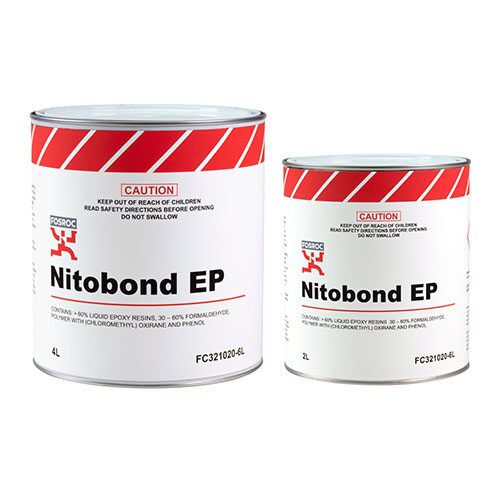
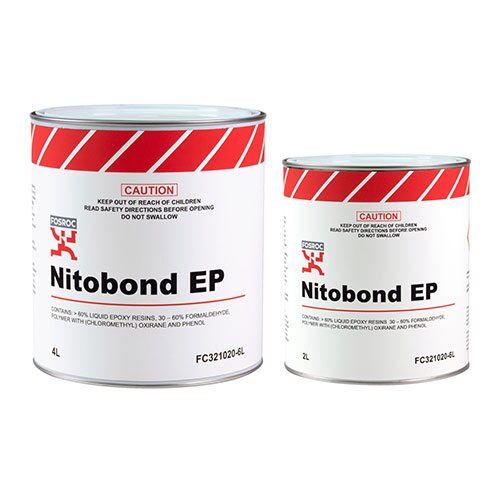
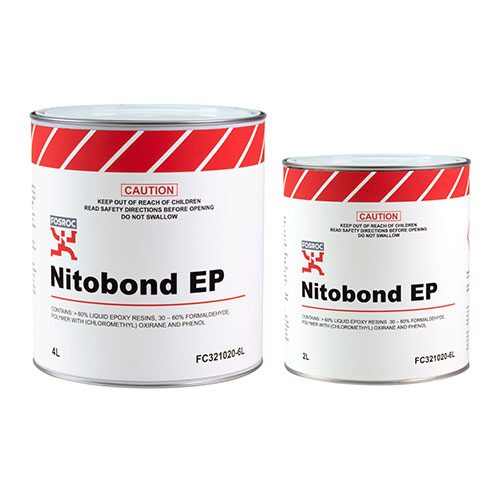
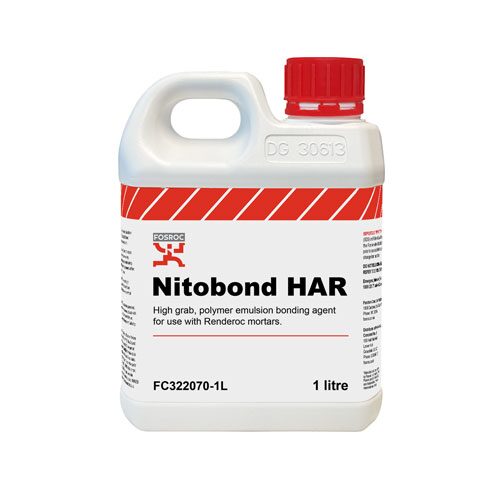
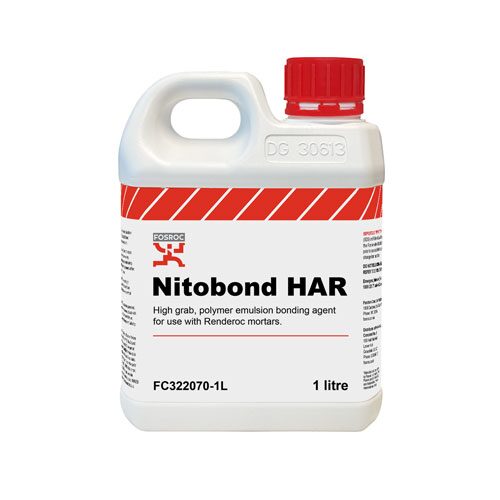
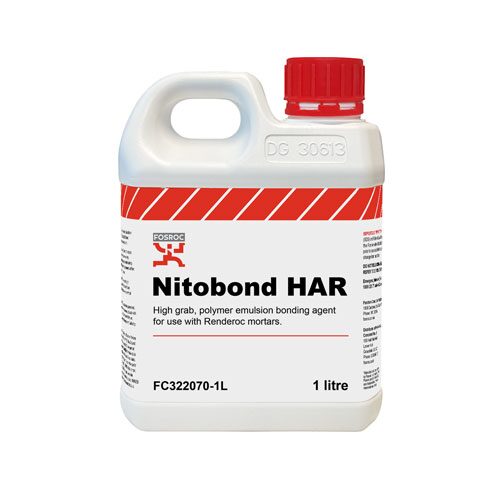
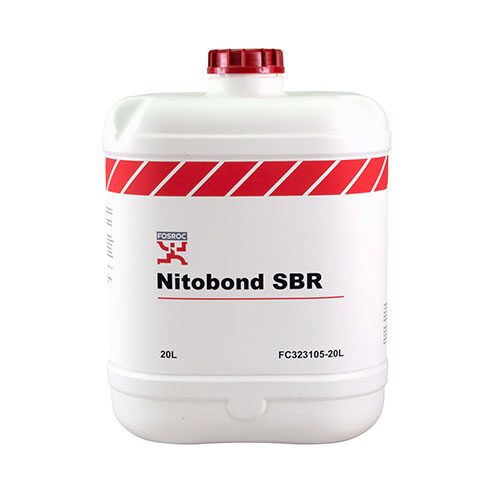
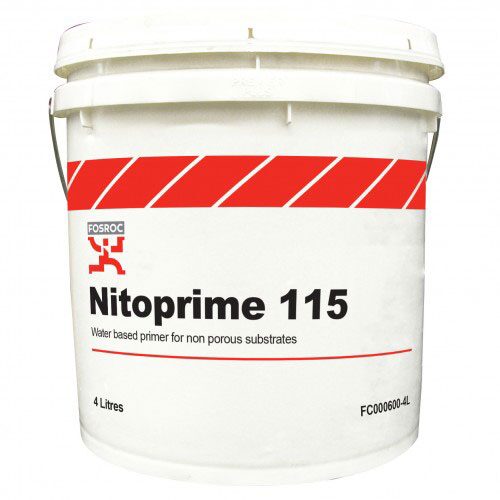
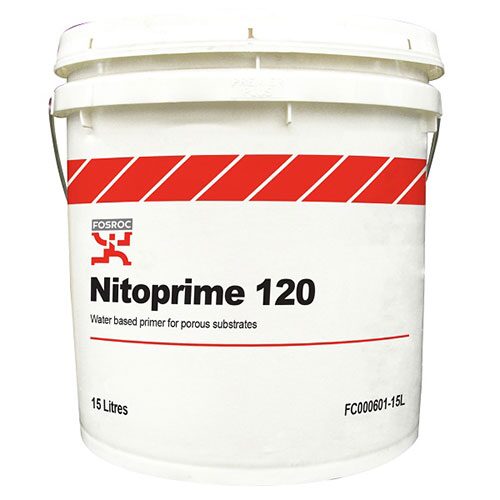
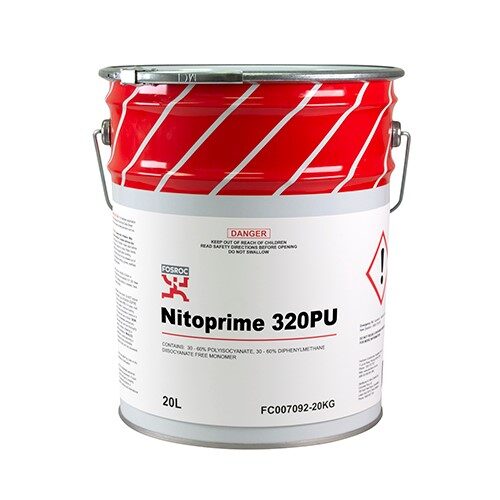
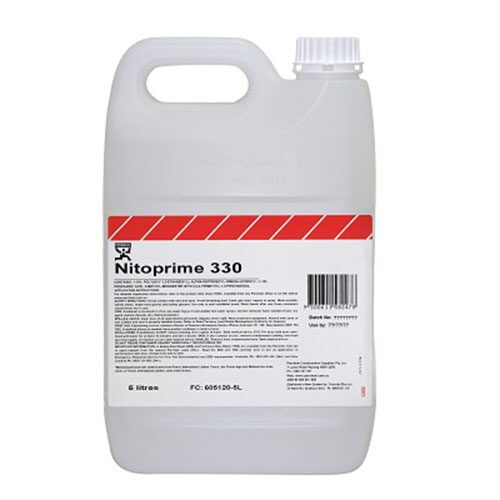
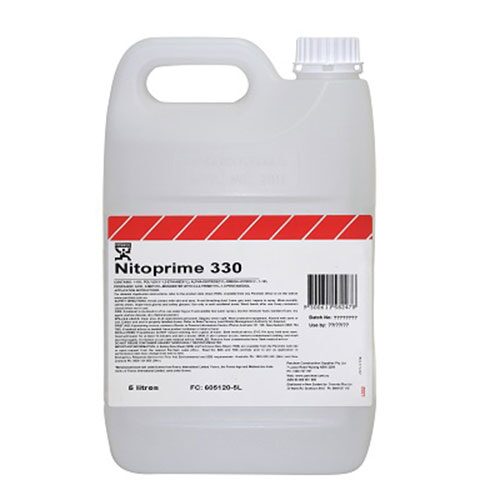
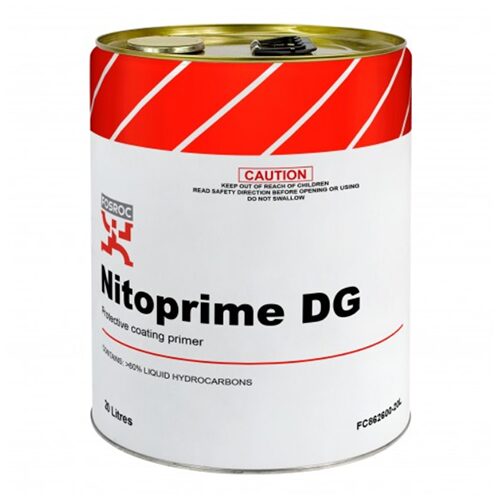
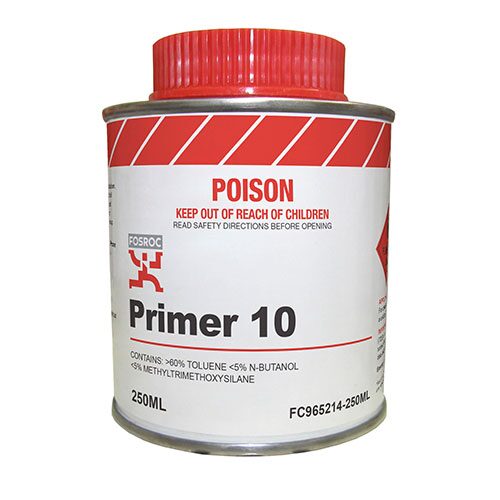
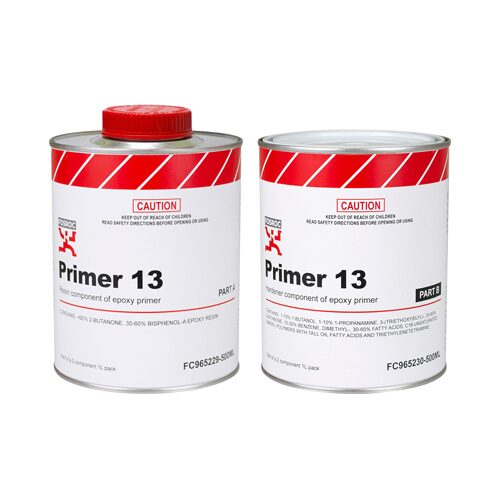
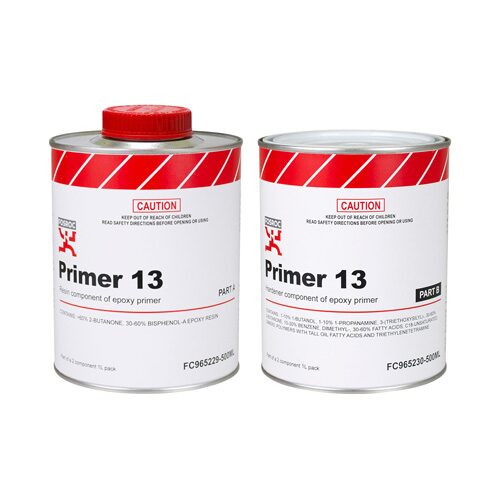
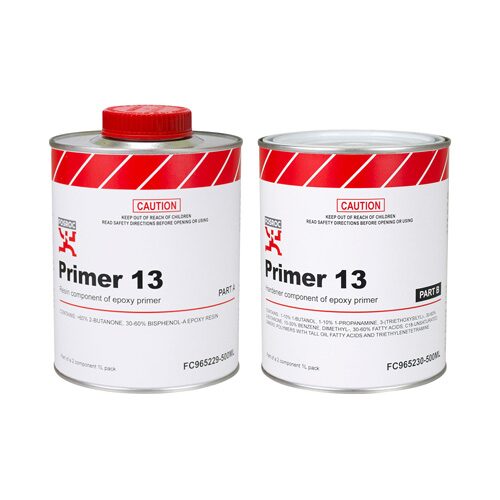
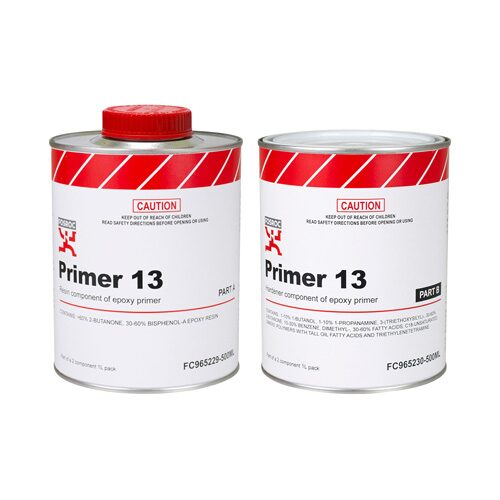
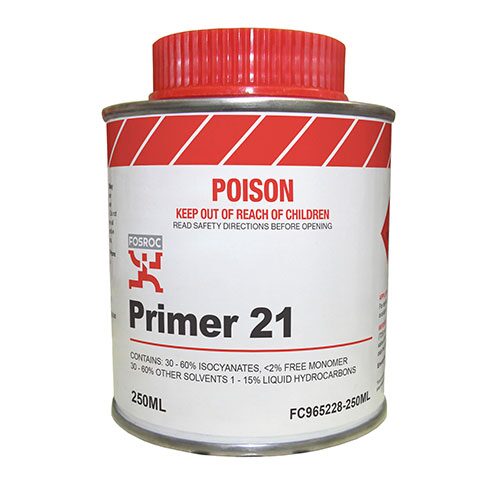
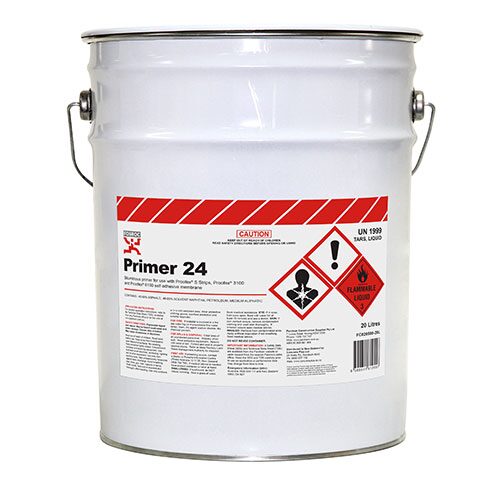
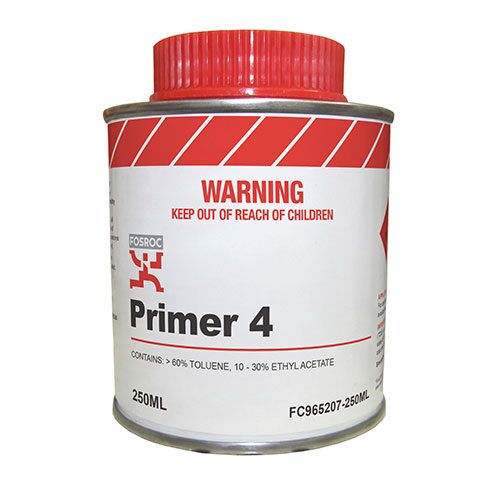
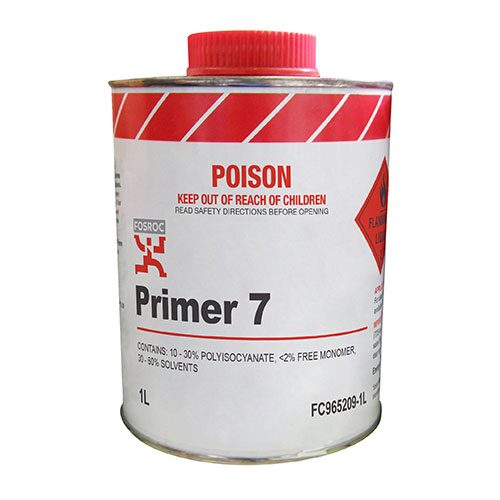
Primers and bonding agents are the least visible part of a specification and a frequent cause of failure when they are skipped or substituted. CSA supplies the Fosroc Nitoprime and Nitobond ranges.
A primer is specific to the product above it and to the substrate below it. The primer listed on a sealant technical data sheet is not interchangeable with the primer listed on a coating technical data sheet, even on the same substrate.
What decides the selection
- The product being applied over the primer
- Substrate: concrete, masonry, steel, existing coating
- Porous or non-porous surface
- Structural or non-structural bond requirement
- Chloride contamination and reinforcement protection needs
- Available overcoat window and site conditions
What each product actually does
Substrate primers seal porous surfaces, control absorption, bind residual dust and improve adhesion of the system above. On concrete and masonry they also reduce the risk of pinholing and outgassing in the applied coating or sealant.
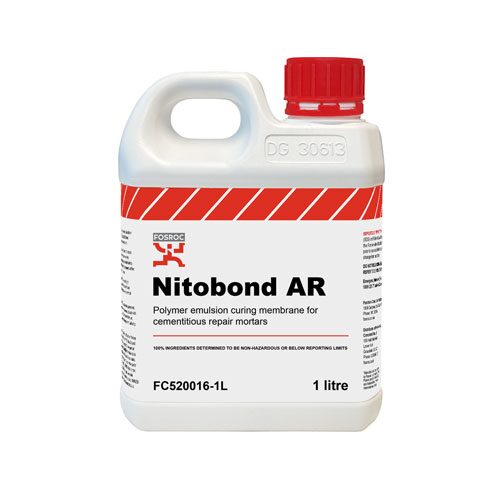
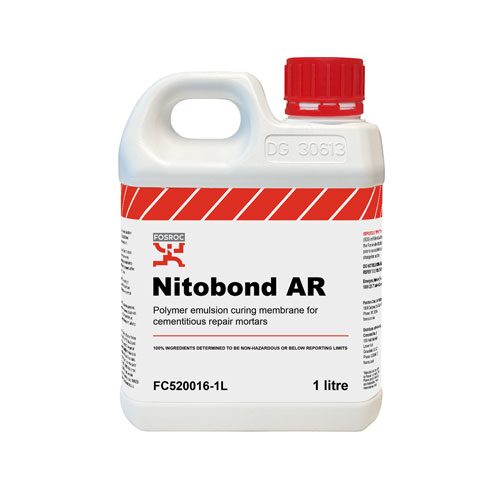
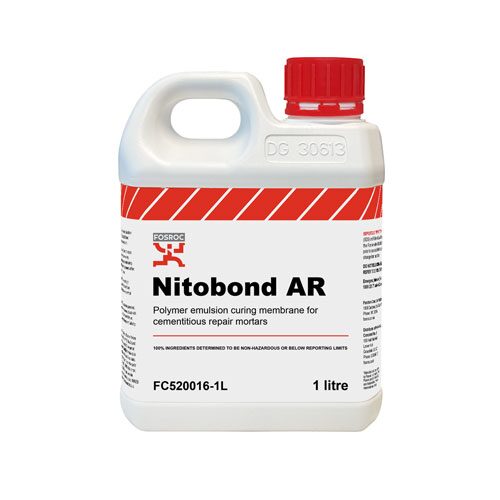
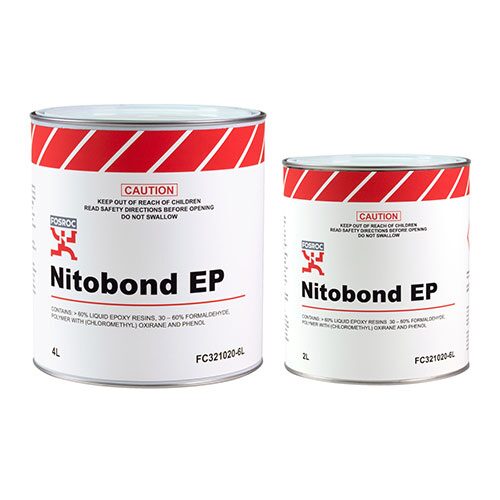
Bonding agents create adhesion between new cementitious material and an existing substrate, which matters for repair mortars, screeds and toppings. Acrylic and SBR bonding agents can be used as a bonding coat or as a gauging liquid depending on the product; epoxy bonding agents give the highest bond strength and are used where the duty is structural.
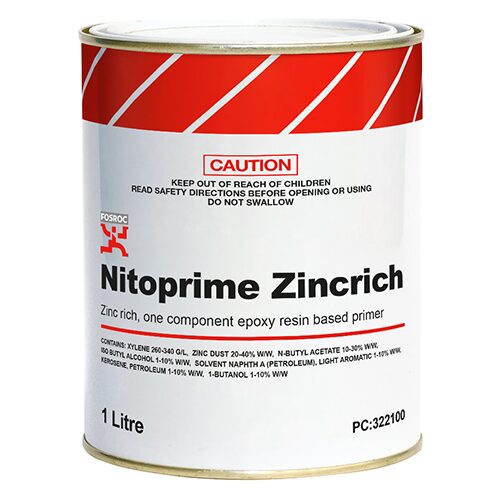
Reinforcement primers are applied to cleaned steel in a concrete repair to give additional protection in aggressive or chloride-contaminated conditions. Zinc-rich versions provide sacrificial protection.
Getting the timing right
Most bonding agents and primers have an overcoat window: a minimum time before the next layer can go on, and a maximum after which adhesion falls away and the primer must be reapplied. Applying a repair mortar over a bonding coat that has fully dried out is one of the most common site errors, and it produces exactly the debonding the bonding agent was meant to prevent.
Plan the sequence so the applicator can work within the window. On hot or windy days the window shortens considerably, which is a practical reason to prime in smaller sections rather than the whole area at once.
- Use the primer named on the technical data sheet for that product and substrate
- Respect both the minimum and maximum overcoat times
- Prime in workable sections, especially in hot or windy conditions
- Reapply if the window is exceeded rather than proceeding
- Confirm whether the bonding agent is a bond coat or a gauging liquid
Primers & Bonding Agents in the catalogue
All Fosroc products →
Primers & Bonding Agents: common questions
- Can I use any primer under a sealant or coating?
- No. Primers are matched to both the substrate and the product going over them. The technical data sheet for the sealant or coating names the primer for each substrate, and substituting a different one is a common cause of adhesion failure.
- What happens if a bonding agent dries before I place the mortar?
- Most bonding agents lose effectiveness once they dry beyond the stated overcoat window, and the repair can debond. If the window has been exceeded, reapply rather than proceeding, and work in smaller sections in hot or windy conditions.
- Is a bonding agent always needed for a concrete repair?
- Not always. Some repair mortars are designed to be applied to a saturated surface dry substrate without a separate bonding coat, and adding one can even be detrimental. Follow the technical data sheet for the specific mortar.
- When is a zinc rich reinforcement primer used?
- Typically where reinforcement in a repair is in chloride-contaminated concrete or an aggressive exposure, or where cover to the reinstated steel will remain low. It provides sacrificial protection to the cleaned steel. The repair specification should state whether it is required.
Related systems
Concrete Repair Mortars
Hand-applied and flowable repair mortars for spalled concrete, exposed reinforcement and structural reinstatement.
Joint Sealants
Polyurethane, polysulphide, silicone and hybrid sealants for movement joints, facades, floors and fire-rated penetrations.
Industrial Floor Coatings & Toppings
Epoxy and polyurethane floor systems, screeds and toppings for warehouses, food processing, workshops and car parks.