Fosroc construction chemicals
Waterstops & Joint Sealing Systems
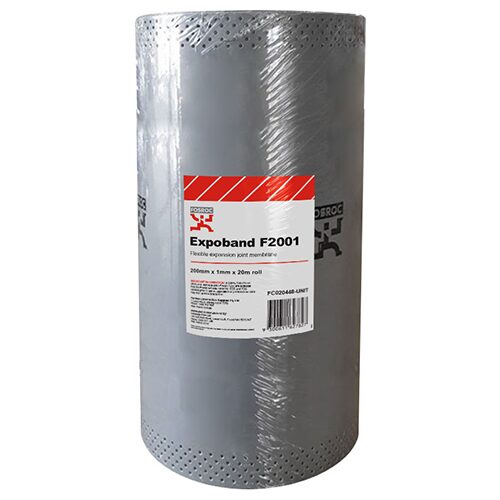
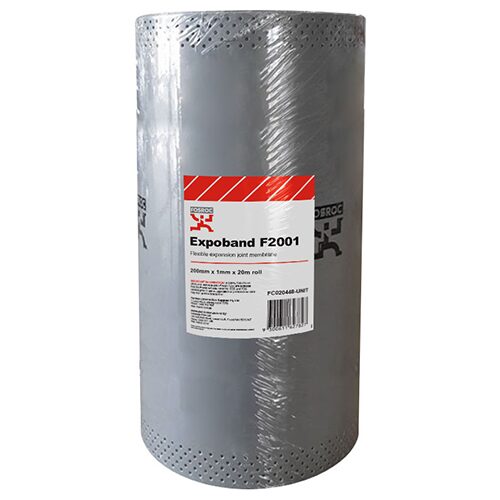
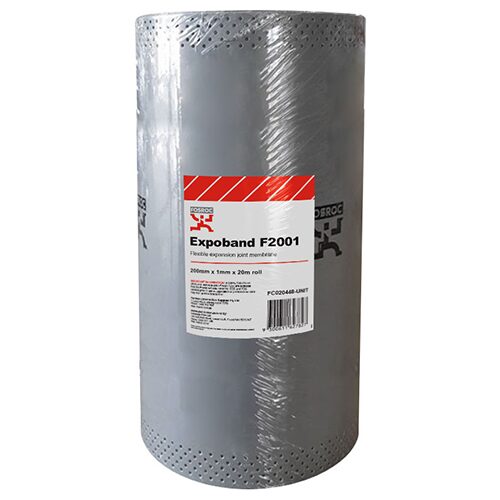
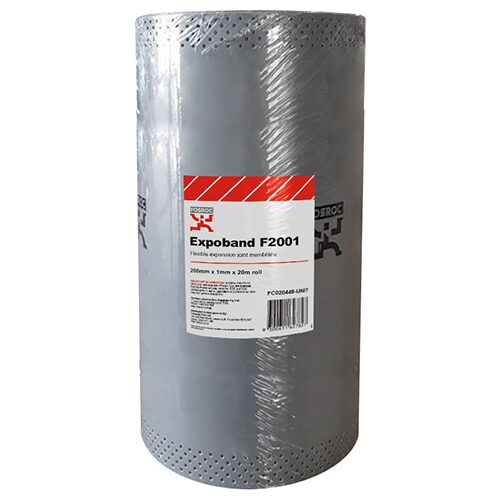
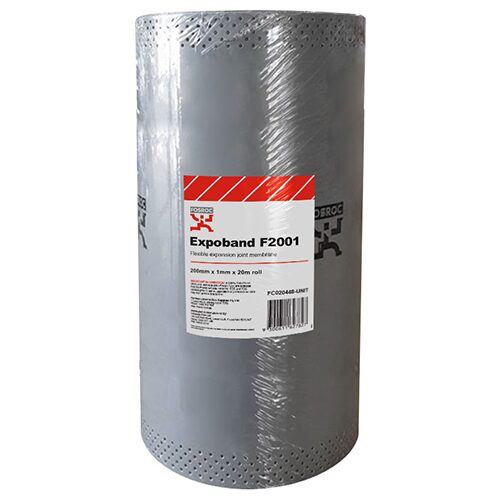
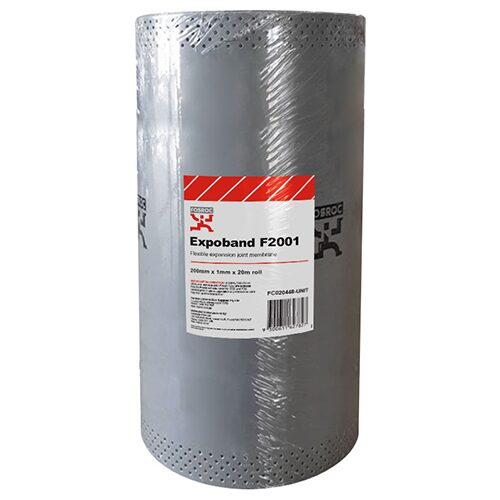
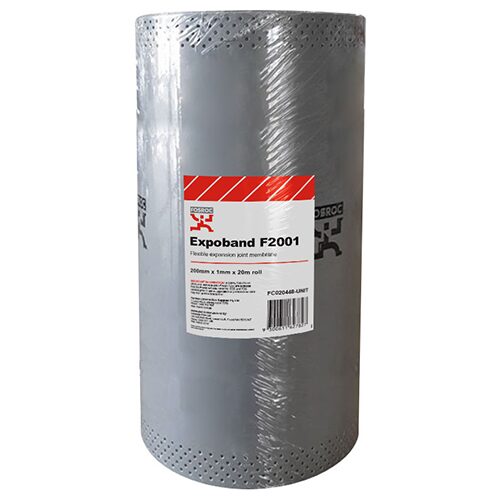
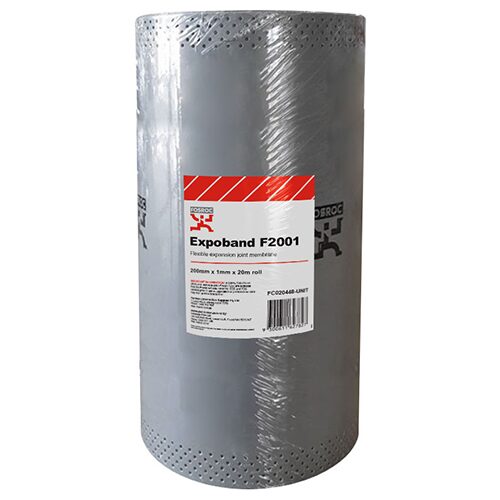
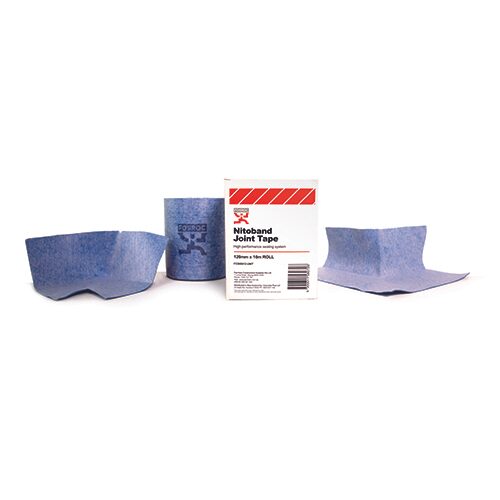
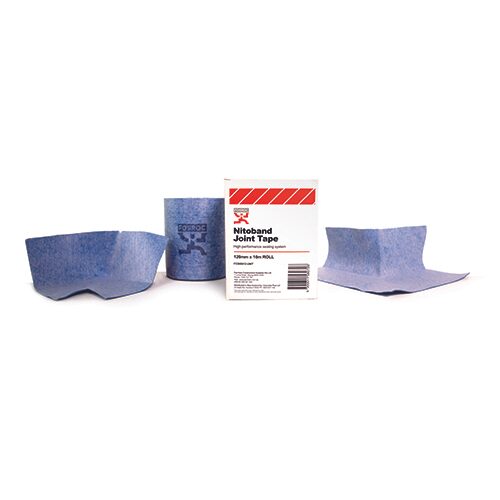
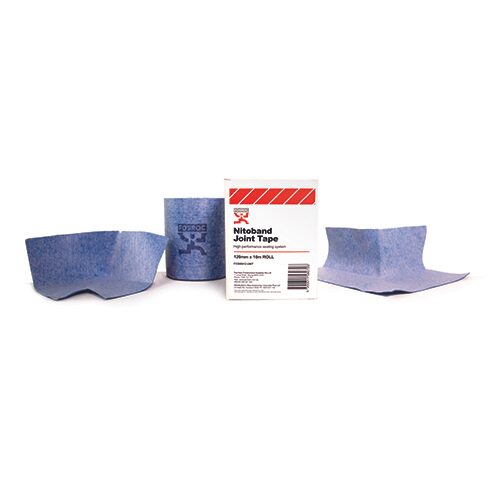
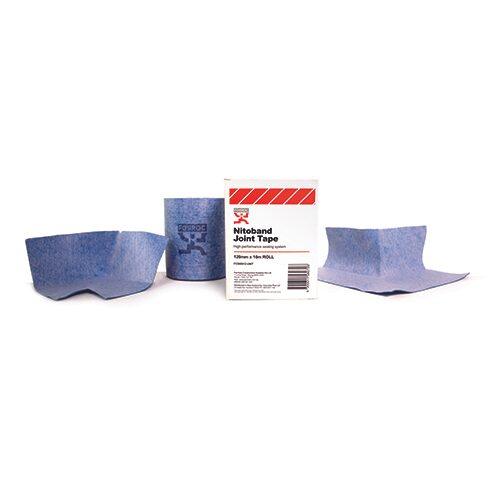
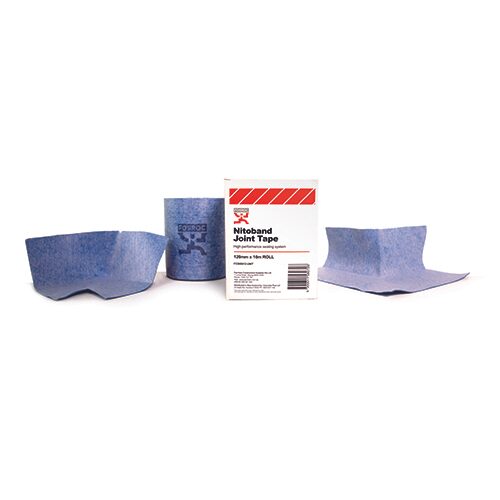
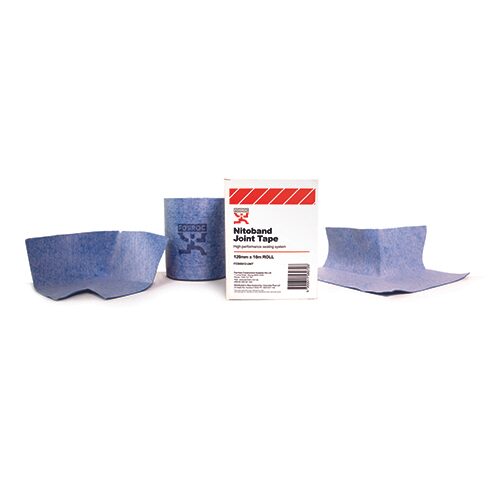
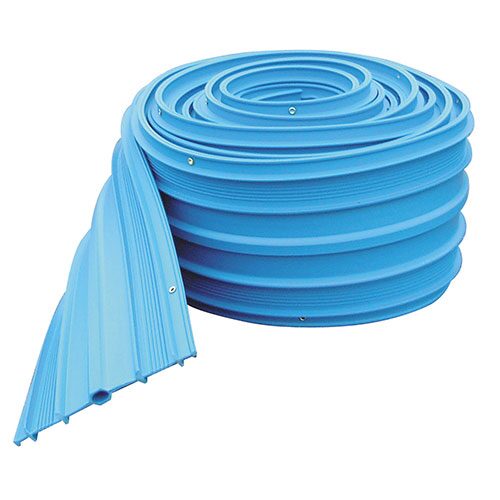
A waterstop creates a continuous barrier through a joint in concrete so water cannot pass along the joint line. CSA supplies the Fosroc Supercast range plus Expoband and Nitoband joint bands for tanks, reservoirs, basements, retaining walls, tunnels and other water-retaining and water-excluding structures.
Waterstops are cheap relative to the cost of chasing a leak through a finished structure, and almost all waterstop failures are installation failures rather than product failures.
What decides the selection
- Construction joint or movement joint
- Expected joint movement and hydrostatic head
- Centrally placed or externally placed
- Section thickness and reinforcement congestion
- Access for later remediation if the joint leaks
- Potable water contact
Which waterstop for which joint
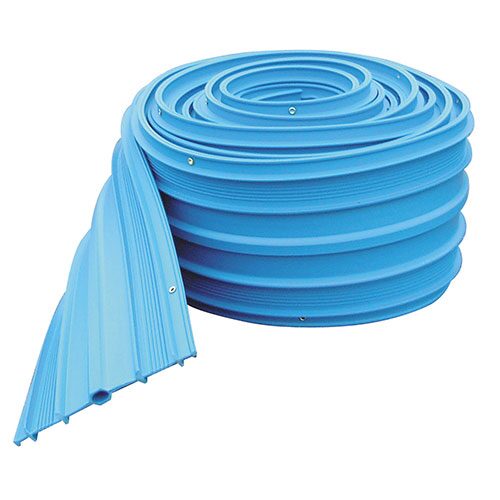
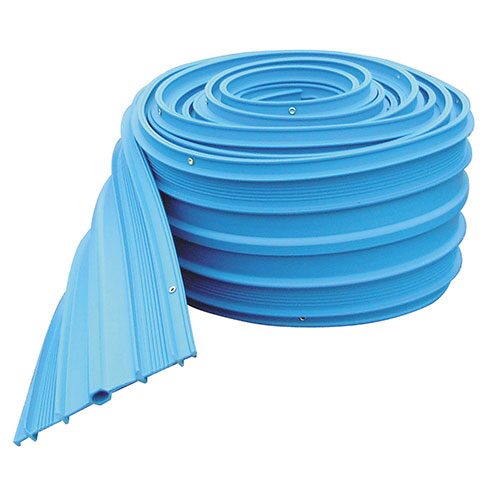
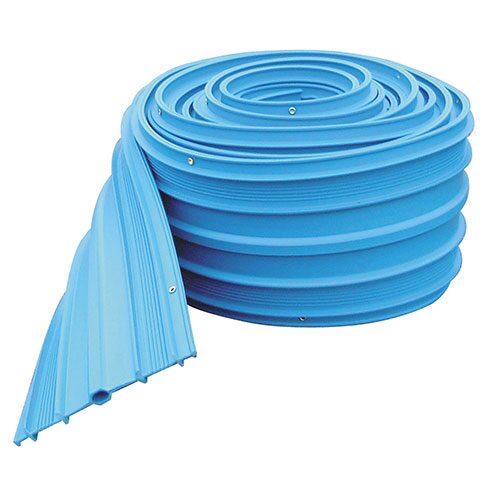
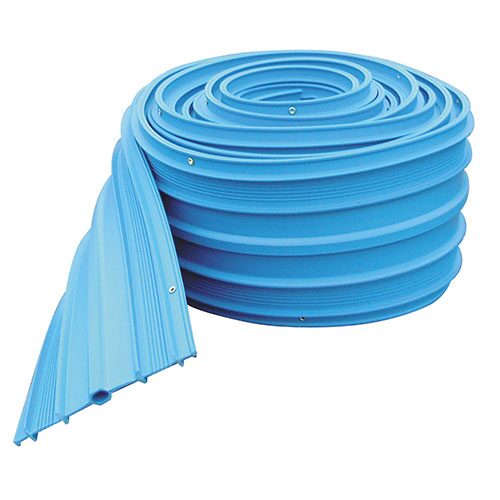
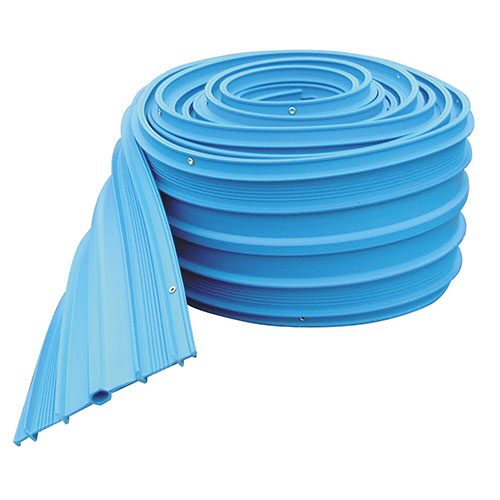
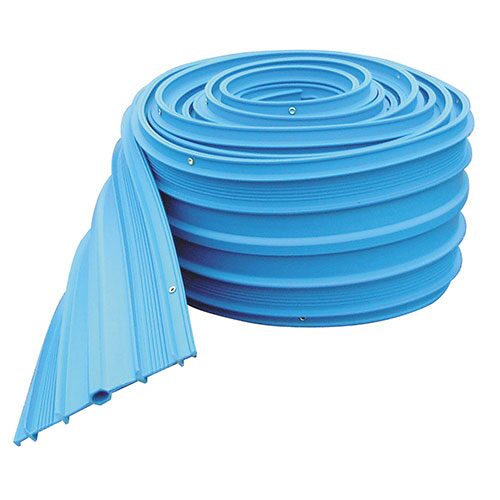
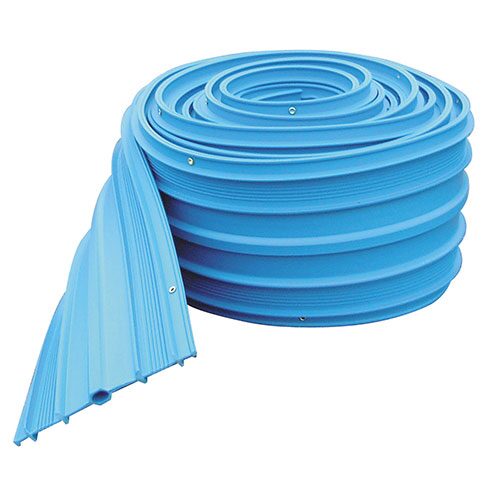
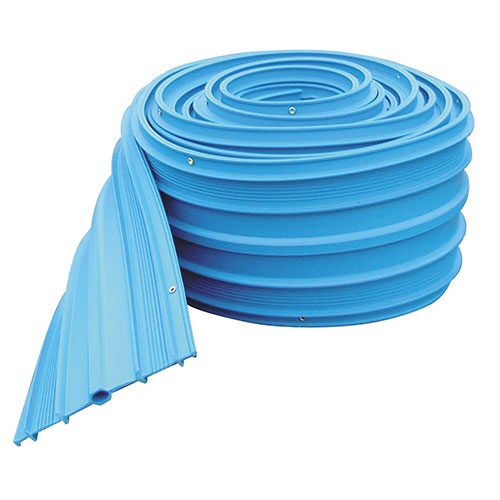
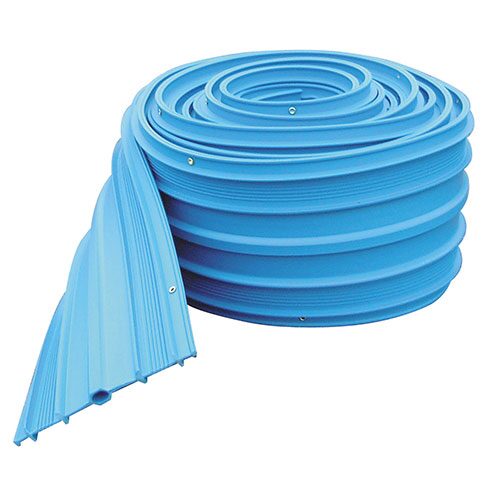
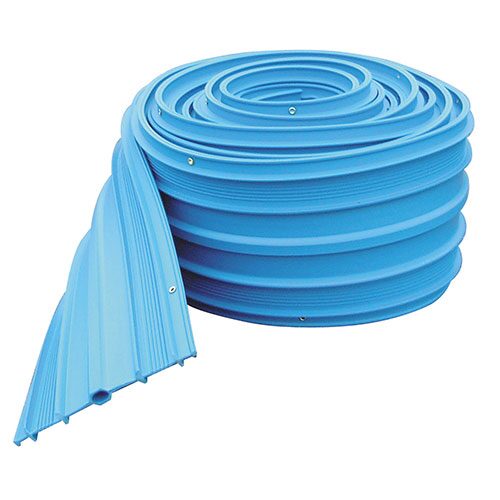
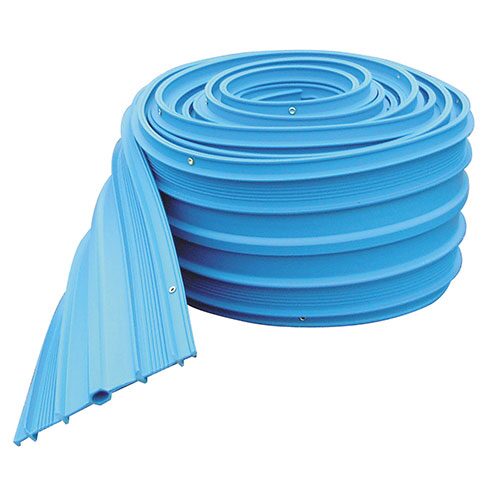
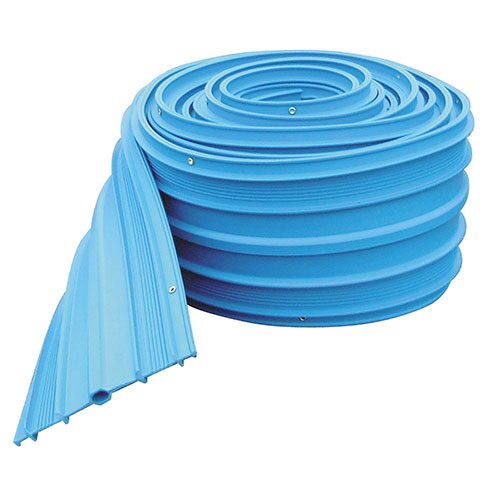
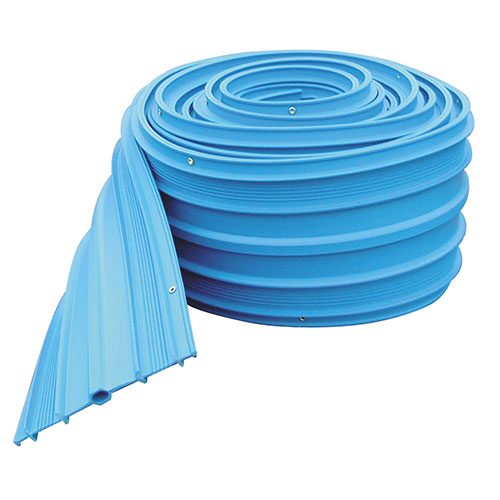
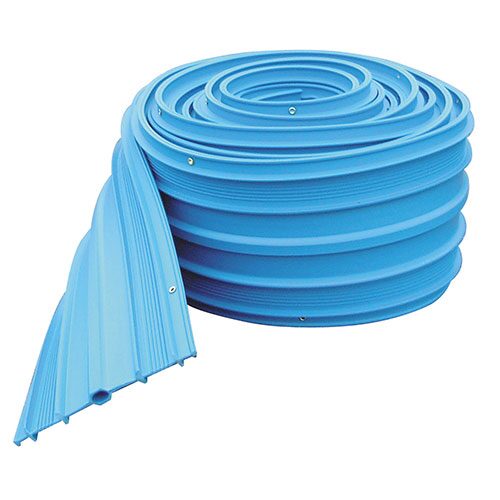
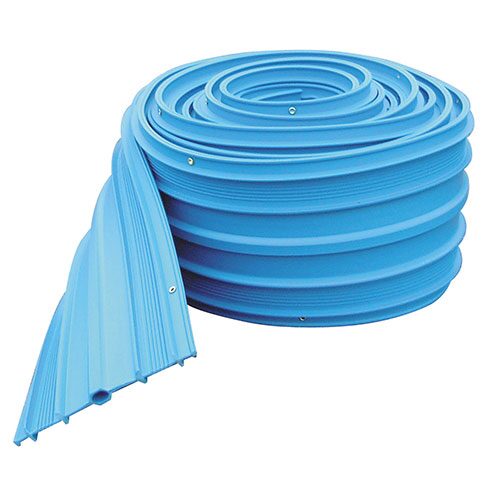
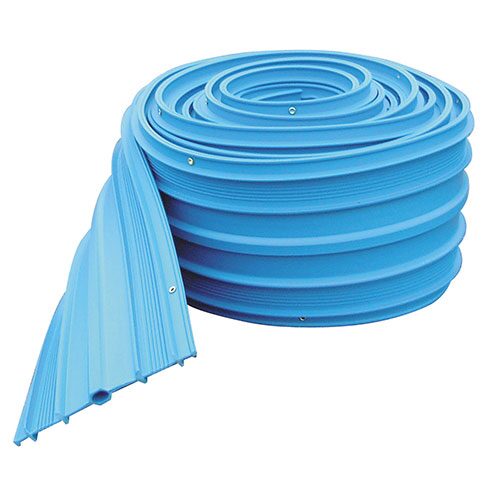
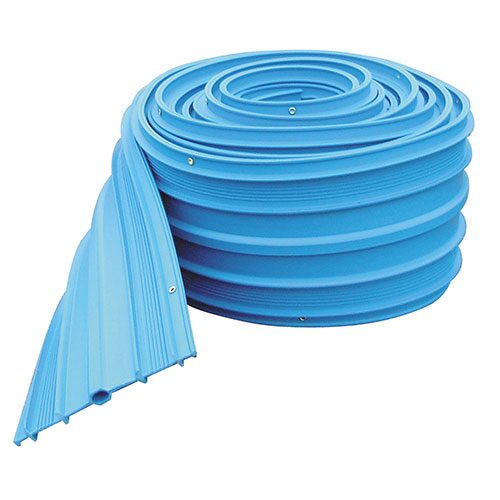
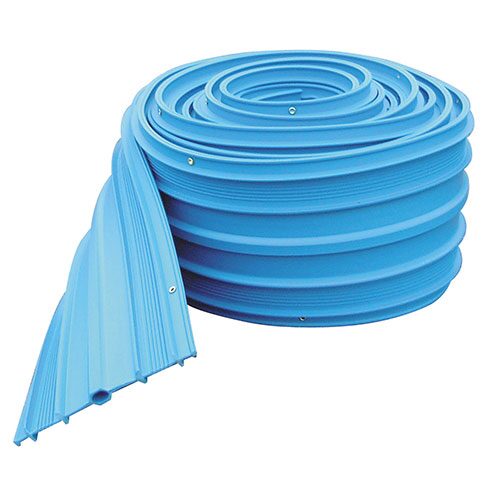
Cast-in PVC and rubber waterstops handle movement joints, where the joint is expected to open and close. Centrally placed profiles sit within the section; externally placed profiles sit on the outside face. The profile, including bulb arrangement and flange width, is selected for the expected movement and the hydrostatic head.
Hydrophilic strips swell on contact with water to seal construction joints, where the joint is not expected to move. They are fixed to the prepared joint face before the next pour and are simple to install, but they must be protected from rain and standing water before the pour, because premature swelling consumes the expansion capacity.
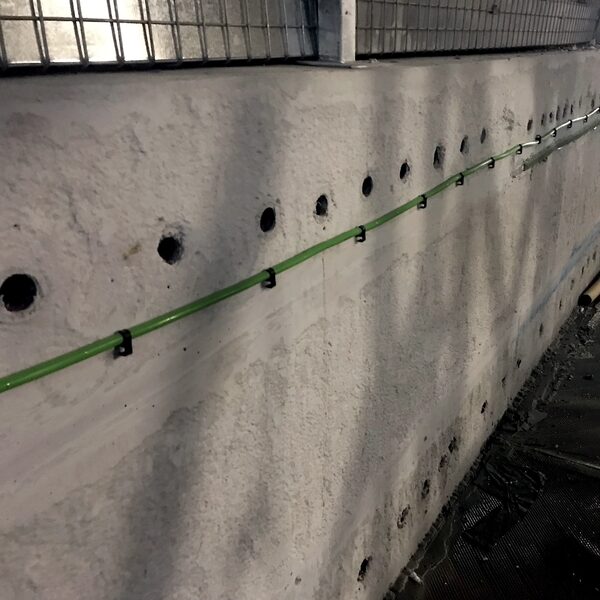
Injectable hose systems are cast into construction joints and allow resin injection later, either as planned practice or as a remedial fallback if the joint leaks. They give a second chance on critical joints where access after construction would be difficult.
Installation failures that cause leaks
Displacement during the pour is the most common problem. A waterstop that folds over, floats or is pushed aside no longer forms a barrier, and the defect is invisible once the concrete is placed. Fix the waterstop securely using the eyelets or purpose-made supports, and check it immediately before and during the pour.
Splices and junctions are the second common failure. PVC waterstops must be heat-welded with the correct jig, not overlapped, taped or glued. Factory-made junction pieces for tees, crosses and corners are more reliable than site-fabricated ones. Finally, compaction around the waterstop matters: honeycombing beside the flange creates the exact water path the waterstop was meant to prevent.
- Fix securely so the waterstop cannot displace during the pour
- Heat-weld splices with the correct jig, never overlap or tape
- Use factory junction pieces for tees, crosses and corners
- Compact carefully around the flange to avoid honeycombing
- Keep hydrophilic strips dry until the pour
- Maintain the specified concrete cover to the waterstop
Water-retaining structures
AS 3735 covers concrete structures retaining liquids and sets the design framework for crack control and joint design in tanks and reservoirs. Waterstop selection follows the joint design in that context rather than being chosen independently.
Where the retained liquid is drinking water, products in contact with it need to be suitable for potable water use, which is where AS/NZS 4020 testing is relevant. Confirm the grade for the specific product rather than assuming it applies to a whole range.
Waterstops & Joint Sealing Systems in the catalogue
All Fosroc products →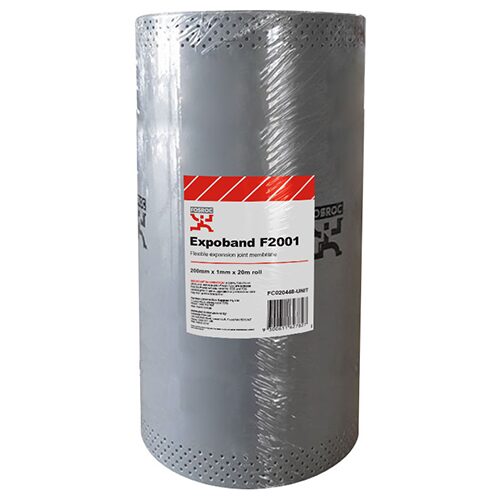
Waterstops & Joint Sealing Systems: common questions
- What is the difference between a construction joint and a movement joint waterstop?
- A construction joint is a pour break with no intended movement, so a hydrophilic strip or a construction joint profile is normally suitable. A movement joint is expected to open and close, so it needs a waterstop with a centre bulb or similar feature that can accommodate that movement without tearing.
- Can I overlap and tape PVC waterstop instead of welding it?
- No. A taped or overlapped joint is a water path. PVC waterstops are heat-welded using a jig so the profile is continuous through the splice. Junctions at tees, crosses and corners are best made with factory-produced pieces.
- What happens if a hydrophilic strip gets wet before the pour?
- It starts to swell early and can lose some of the expansion capacity it needed to seal the joint, and in the worst case it can be damaged or displaced. Protect it from rain and standing water, and if it has already swollen before the pour, replace it.
- Can a leaking joint be fixed after construction?
- Yes, usually by resin injection, either through a cast-in injection hose system if one was installed, or through drilled packers. Remediation after the fact is far more expensive and disruptive than getting the waterstop right during construction, which is the argument for an injection hose on critical joints.
Related systems
Waterproofing Membranes
Pre-applied, post-applied, torch-on and liquid membranes for below-ground tanking, podiums, decks and wet areas.
Joint Sealants
Polyurethane, polysulphide, silicone and hybrid sealants for movement joints, facades, floors and fire-rated penetrations.
Crack Injection Resins
Epoxy and polyurethane injection resins, packers and equipment for structural crack repair and water stopping.