Fosroc construction chemicals
Waterproofing Membranes
Waterproofing protects a structure from water ingress and protects the concrete and reinforcement from the ground conditions around it. CSA supplies the Fosroc membrane range for basement tanking, podium and plaza decks, planter boxes, wet areas and remedial waterproofing.
Membrane selection starts with access, not with the product. Whether you can work from the wet face or only the dry face, and whether the membrane is applied before or after the concrete is poured, narrows the options before any performance comparison begins.
What decides the selection
- Access: blindside, or working access to the external face
- Applied before or after the concrete pour
- Required grade of internal environment (BS 8102)
- Hydrostatic head and groundwater conditions
- Ground gas protection requirements
- Trafficking and the protection layer above
- Programme and weather window for application
Pre-applied versus post-applied
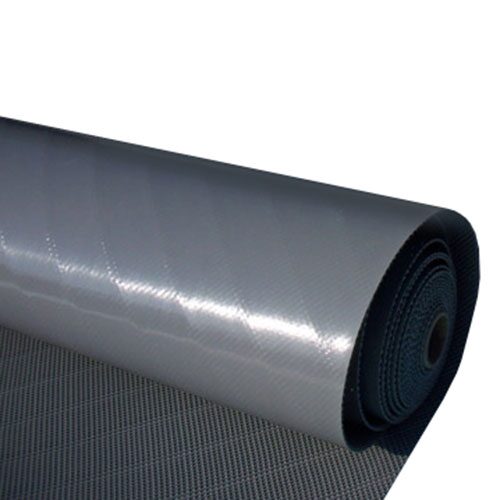
Pre-applied membranes are laid before the concrete is poured and bond mechanically to the concrete as it cures. They suit blindside conditions where there is no access to the external face after construction, such as a basement wall against a shored excavation or an adjacent structure. Because the bond is intimate, water cannot track laterally between membrane and concrete, which limits the damage from any single defect.
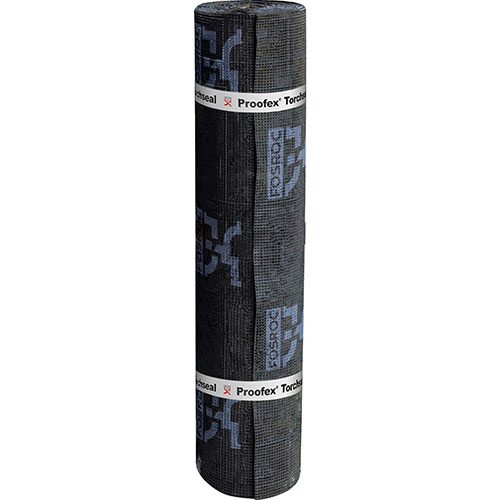
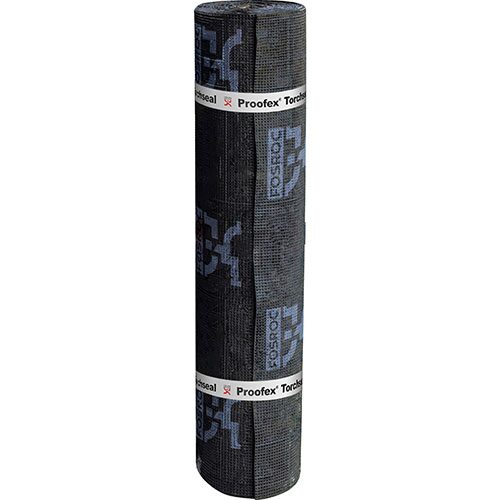
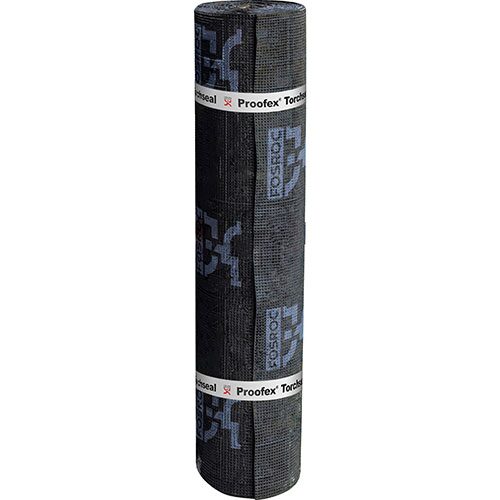
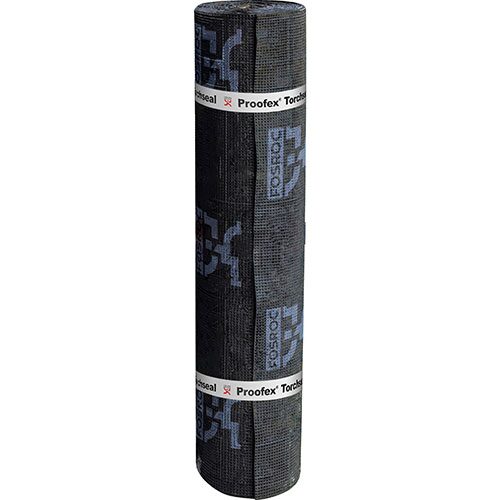
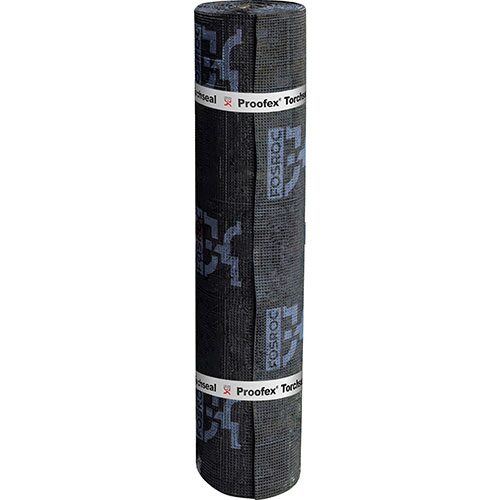
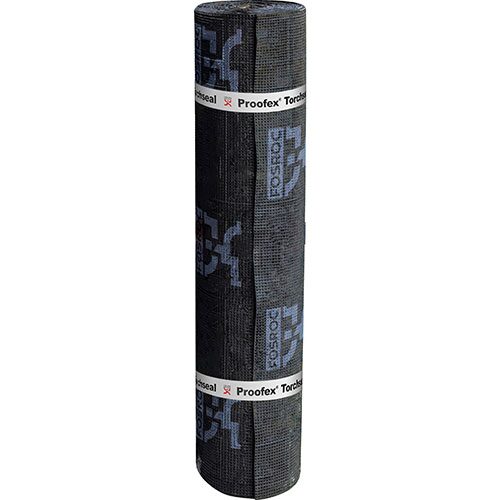
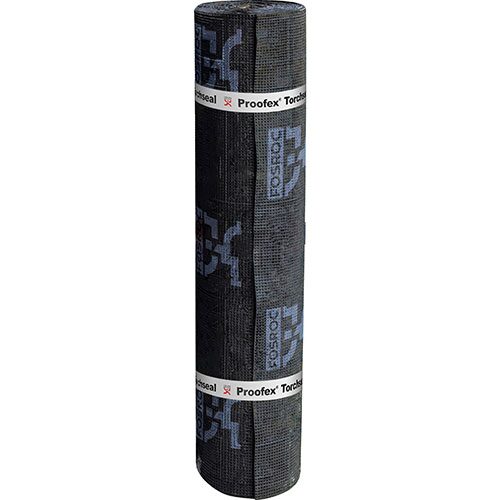
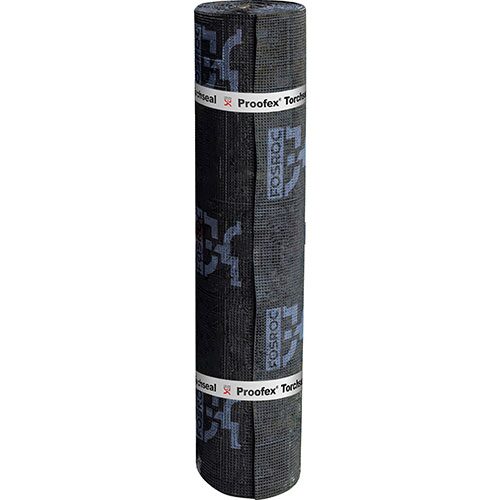
Post-applied membranes are applied to cured concrete from the positive (wet) side and suit situations with working access to the external face. They include torch-applied bituminous sheet, self-adhesive sheet and liquid-applied systems. Substrate preparation, priming and detailing at laps and penetrations determine performance.
Grades of protection and the internal environment
BS 8102 is the common reference for below-ground waterproofing and defines three types of protection: barrier protection applied to the structure, structurally integral protection provided by the concrete itself, and drained protection that manages water reaching the inside face. It also grades the internal environment by how much water penetration and humidity the finished space can tolerate.
A plant room and an archive have very different tolerances, and the grade drives whether a single system is acceptable or whether combined protection is required. Set the grade before selecting a product, and involve the waterproofing designer where the consequence of failure is high.
Details decide the outcome
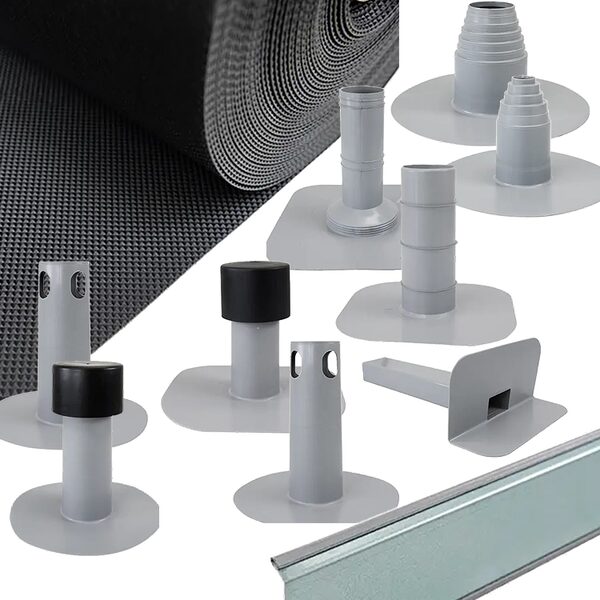
Membranes rarely fail in the middle of a sheet. They fail at floor-to-wall junctions, pile heads, construction joints, service penetrations, terminations at damp-proof course level and at the lap detail. Each of these needs a designed detail, the correct ancillary products and a sequence that the site can actually build.
Where the ground carries gases, methane, carbon dioxide and radon protection may be required in addition to water exclusion. That is a design decision informed by a site investigation, not a product substitution.
- Floor-to-wall junction and kicker detail
- Pile head and capping beam penetrations
- Construction and movement joint treatment
- Service penetrations and top hat details
- Termination at damp-proof course
- Lap width, selvedge and sealing method
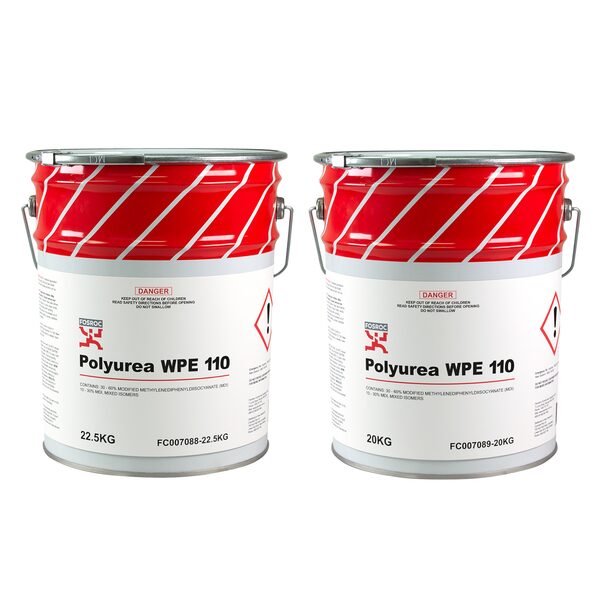
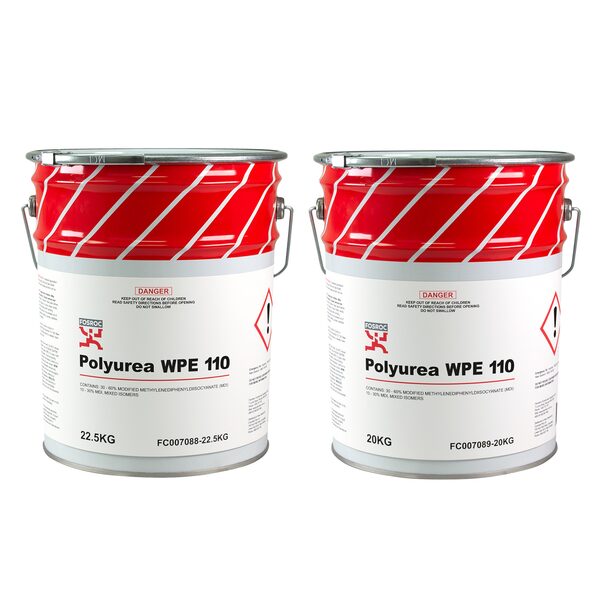
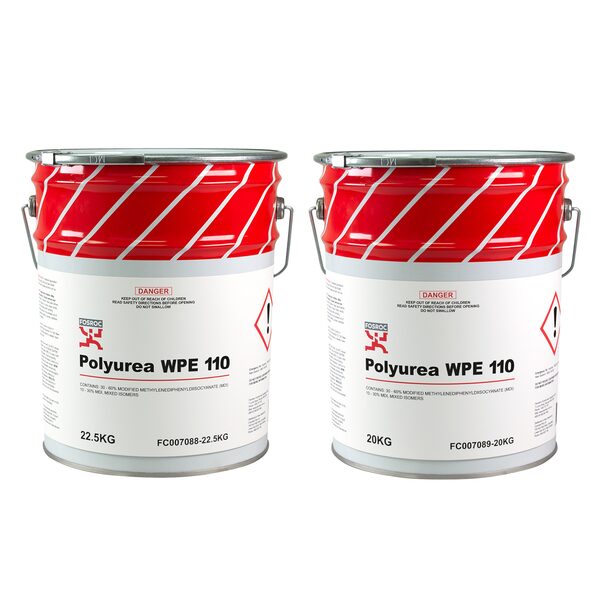
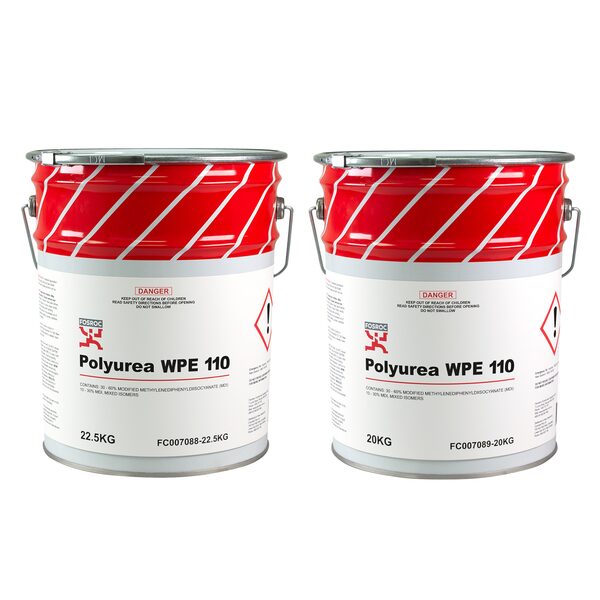
Waterproofing Membranes in the catalogue
All Fosroc products →
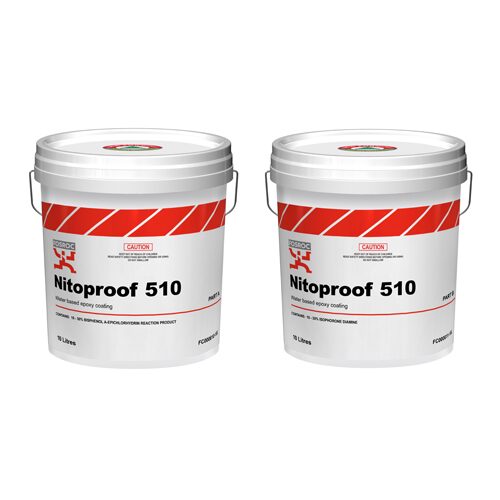
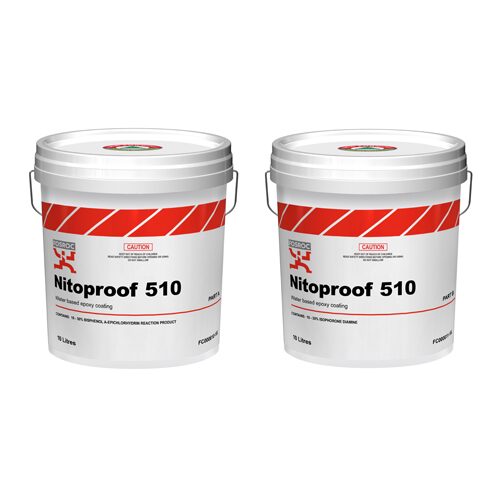
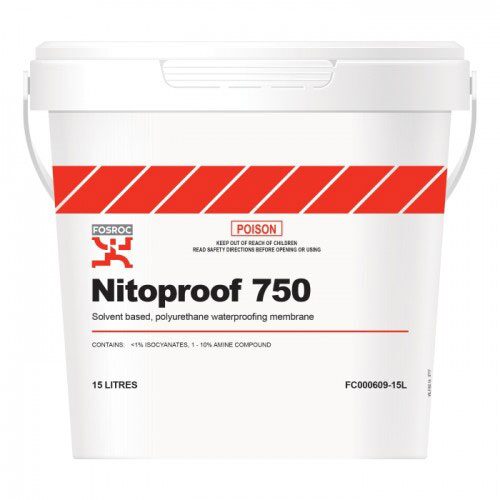
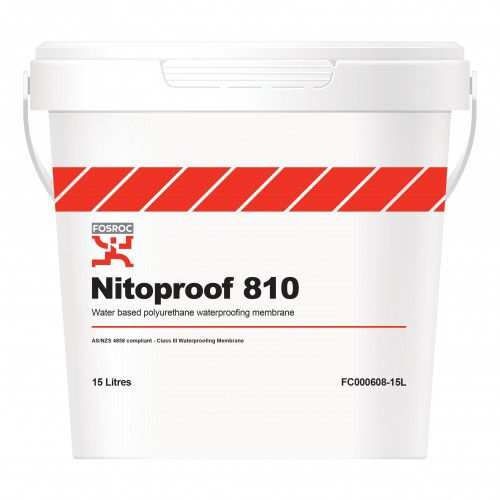
Waterproofing Membranes: common questions
- What is the difference between positive and negative side waterproofing?
- Positive side waterproofing is applied to the face the water arrives from, so the membrane holds water away from the structure. Negative side waterproofing is applied to the inside face and resists water that has already entered the structure. Positive side is generally preferred because it protects the concrete itself; negative side is used where there is no access to the external face.
- Does a pre-applied membrane need a protection board?
- It depends on the system and on what happens next. Pre-applied membranes are designed to have concrete poured directly against them, so they do not need protection from the pour. They may still need protection from site traffic, reinforcement placement and backfill, and the technical data sheet will state the requirement.
- Can I waterproof over a green or damp slab?
- Some systems tolerate damp substrates and some do not. Applying a moisture-sensitive membrane to a slab still releasing construction water is a common cause of blistering and debonding. Check the required substrate moisture condition and the minimum concrete age on the technical data sheet, and moisture test where the system calls for it.
- What is the most common cause of basement leaks?
- Detailing at junctions and penetrations rather than the membrane itself. Floor-to-wall junctions, pile heads, construction joints and service penetrations account for most water ingress found during investigation. A membrane is only as good as the detail at its edges.
Related systems
Waterstops & Joint Sealing Systems
PVC, hydrophilic and injectable waterstops for construction and movement joints in water-retaining and below-ground structures.
Joint Sealants
Polyurethane, polysulphide, silicone and hybrid sealants for movement joints, facades, floors and fire-rated penetrations.
Protective Concrete Coatings
Anti-carbonation, chemical-resistant and decorative protective coatings that extend the service life of concrete.