Fosroc construction chemicals
Joint Sealants
A joint sealant keeps water, air and debris out of a moving joint while accommodating that movement over the life of the building. CSA supplies the Fosroc sealant range for facade contractors, remedial builders, concreters and applicators.
Sealant failure is usually a joint design or preparation problem rather than a product problem. The joint has to be the right size for the movement, the sealant has to be able to stretch and compress without being restrained on three sides, and the joint faces have to be clean, sound and correctly primed.
What decides the selection
- Expected joint movement and required movement accommodation factor
- Joint width and achievable depth
- Substrate: concrete, masonry, metal, glass
- Ultraviolet exposure and whether the joint must be painted
- Traffic over the joint
- Immersion, chemical or fuel contact
- Fire resistance requirements
Sizing the joint and shaping the sealant
Joint width follows the expected movement and the movement accommodation factor of the sealant. A sealant rated for a higher movement capacity can work in a narrower joint, but every sealant has a limit, and undersizing the joint is a guaranteed failure.
For most gun-applied sealants in a butt joint the working rule is a width-to-depth ratio of about 2:1, with minimum and maximum depths stated on the technical data sheet. A sealant bead that is too deep is over-restrained and tears; too shallow and it has insufficient material to stretch. Backer rod sets that depth and, critically, prevents the sealant bonding to the back of the joint.
- Size the joint from the expected movement, not from habit
- Work to roughly 2:1 width-to-depth for butt joints
- Use closed-cell or bi-cellular backer rod, never open-cell
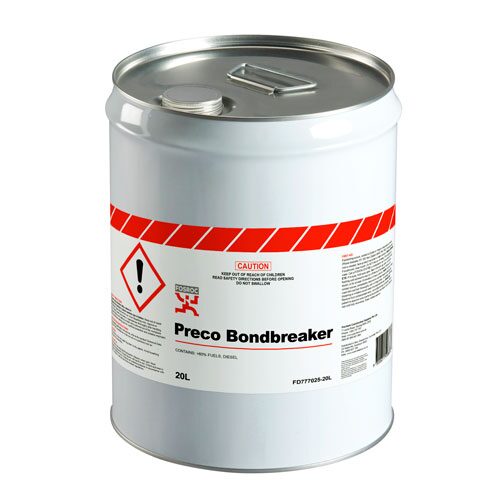
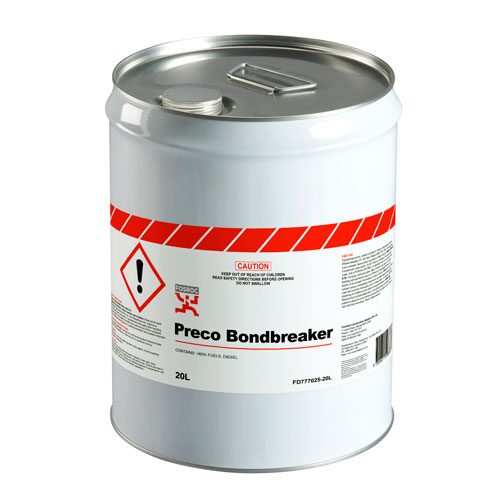
- Use bond breaker tape where the joint is too shallow for rod
- Tool the bead to make firm contact with both joint faces
Three-sided adhesion, and why it tears sealant
If a sealant bonds to the back of the joint as well as both faces, it cannot stretch. As the joint opens, the bead is restrained in the middle and tears either cohesively through itself or adhesively off a face. Backer rod or bond breaker tape prevents that third bond and is not optional.
Open-cell backer rod absorbs water and can outgas into curing sealant, producing bubbling in the bead. Use closed-cell or bi-cellular rod sized so it compresses into the joint, typically around 25 percent oversized, and do not puncture it while installing.
Choosing the chemistry
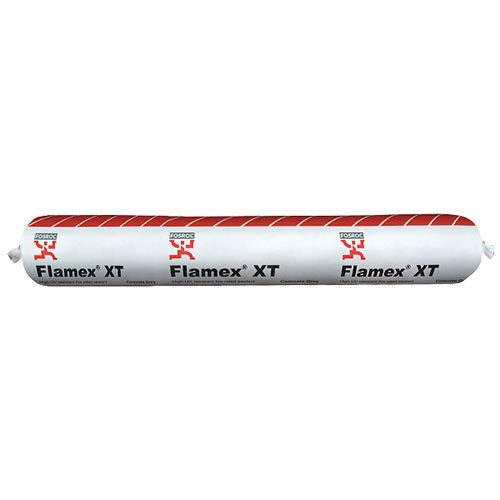
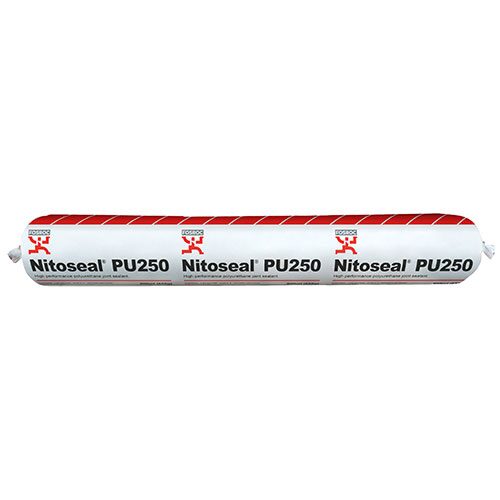
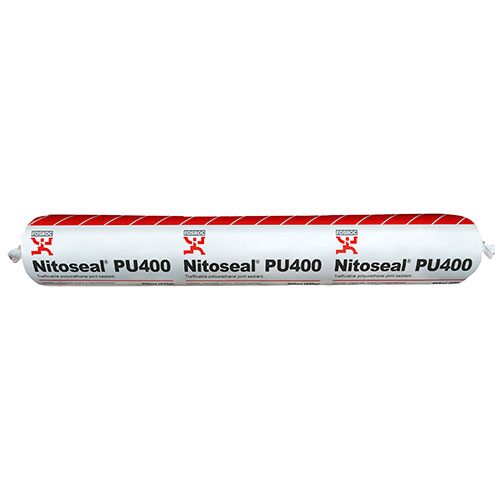
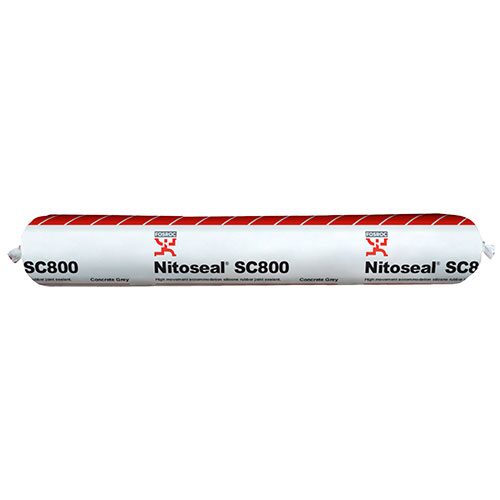
Polyurethane sealants are the general workhorse for construction joints: good movement capacity, good adhesion to concrete and masonry, paintable, and available in gun and pouring grades. Ultraviolet resistance varies by product.
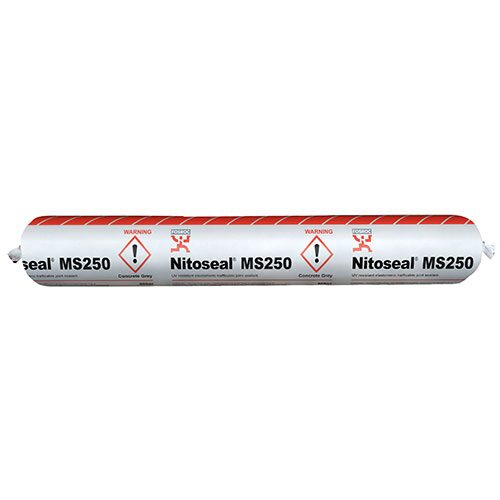
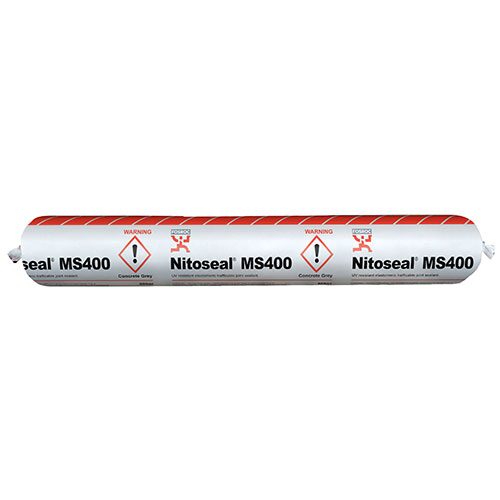
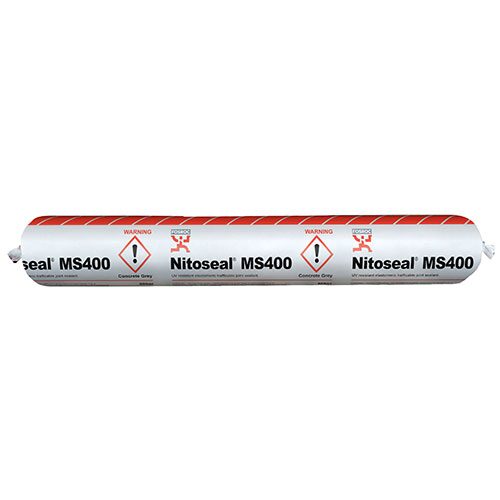
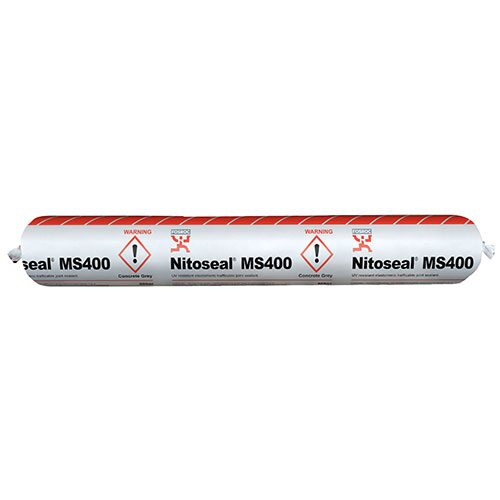
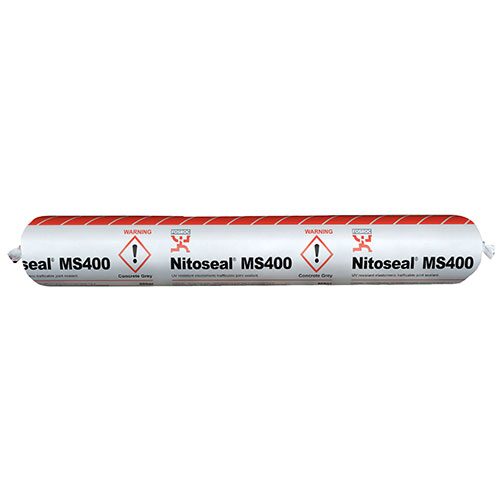
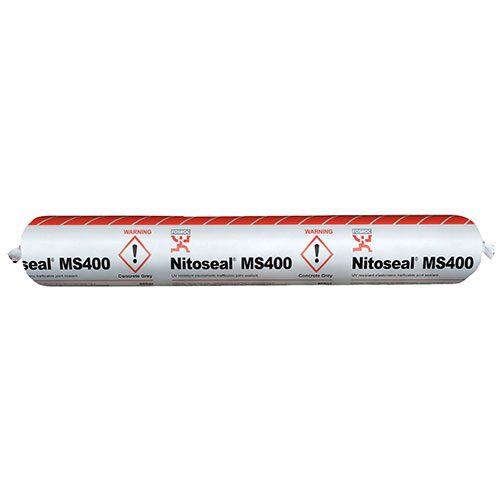
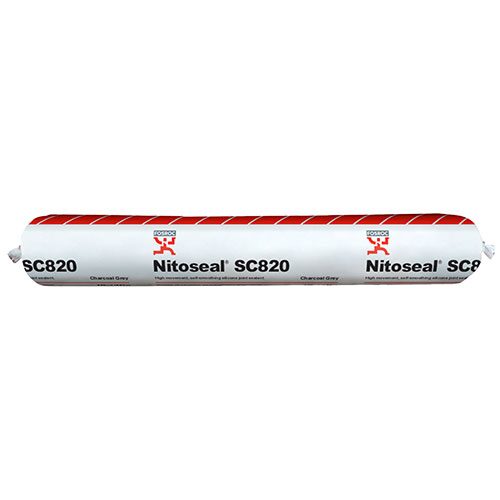
Polysulphide sealants are long established in civil and water-retaining work and suit chemical and fuel exposure where the product is rated for it. Silicones give excellent ultraviolet stability and are the default for glazing and many facade joints, but most are not paintable and some require a specific primer on porous substrates. Hybrid and MS polymer sealants aim to combine the movement and adhesion of polyurethane with better ultraviolet stability and low odour.
Fire-rated sealants are a separate class. They are selected against a tested system for the specific substrate, joint size and fire resistance level required, and substituting a general purpose sealant into a fire-rated joint invalidates the system.
Trafficked and immersed joints
Joints in floors and pavements that take wheeled traffic need a sealant hard enough to support the joint arm under load, which usually means a lower movement capacity and a different product class from a facade sealant. Getting this the wrong way round produces either a sealant that is extruded under traffic or a joint arris that spalls.
Immersed and potable water joints have their own product requirements. Confirm suitability from the product documentation rather than assuming a general purpose sealant is acceptable.
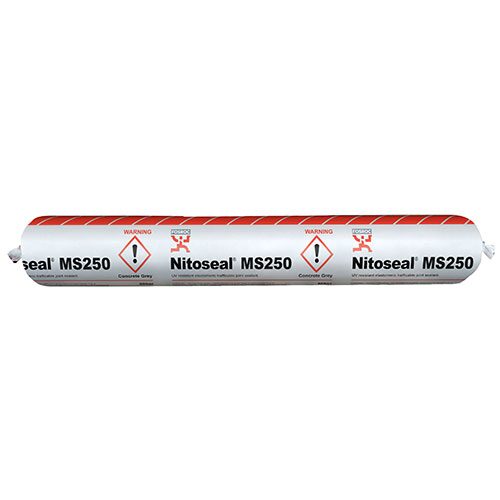
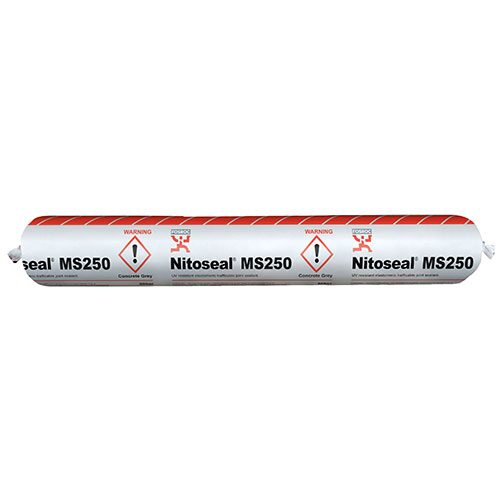
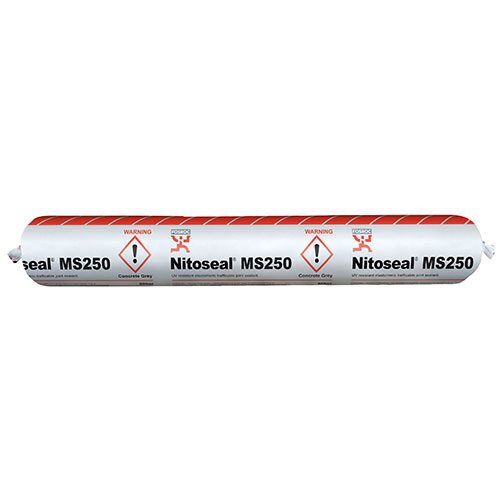
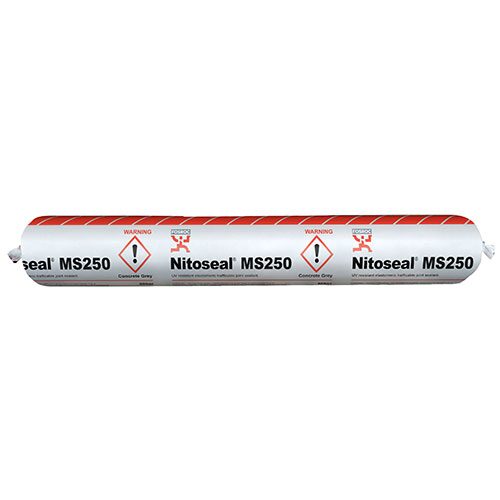
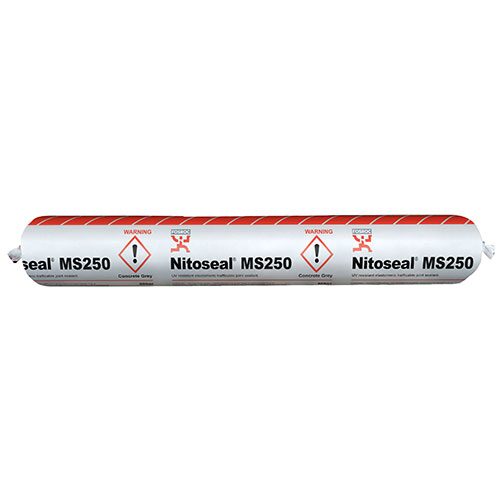
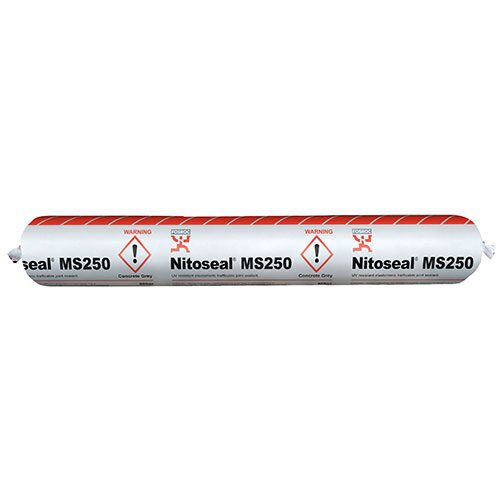
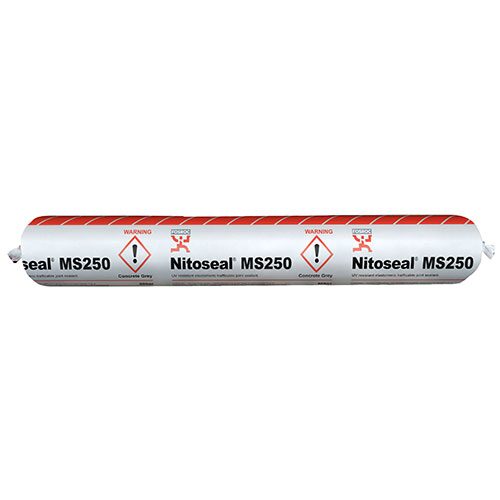
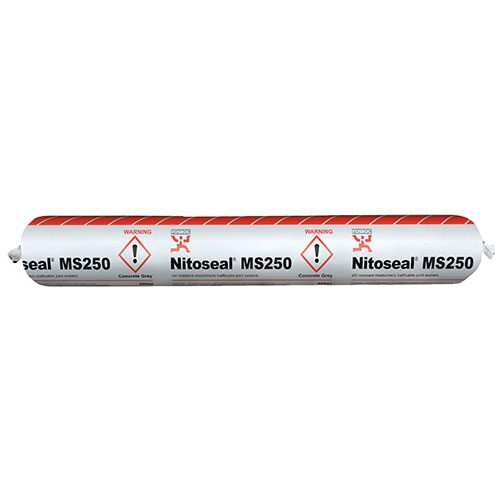
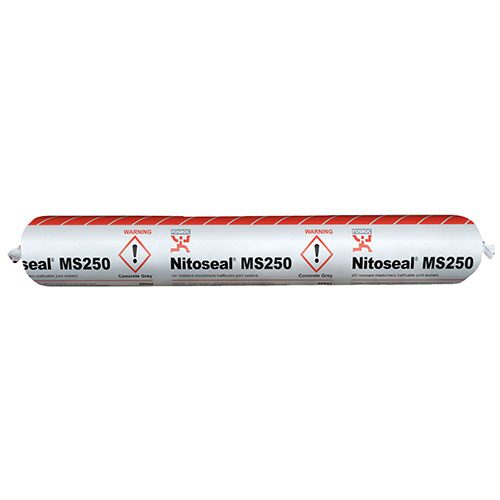
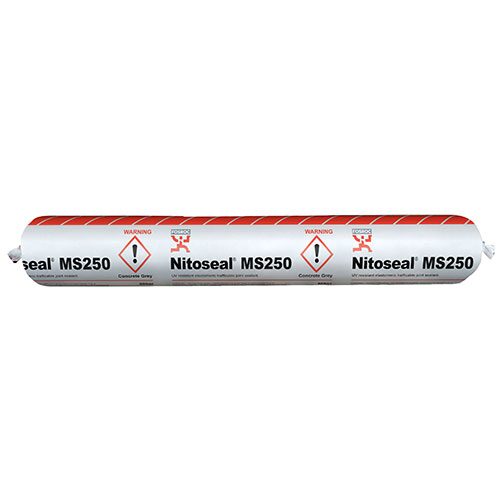
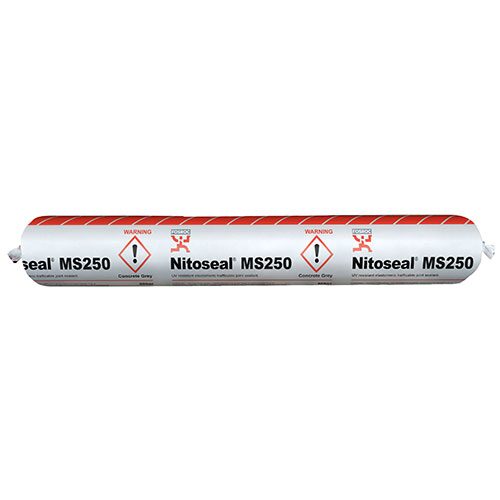
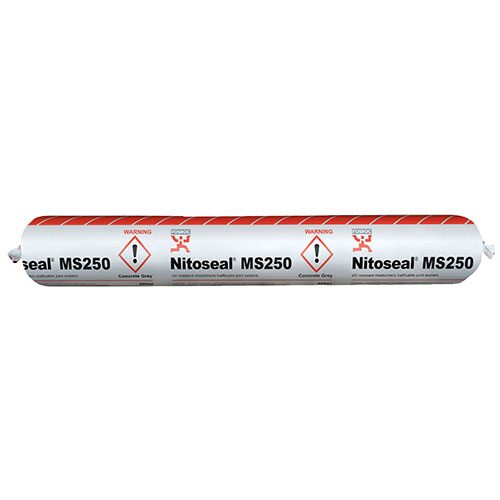
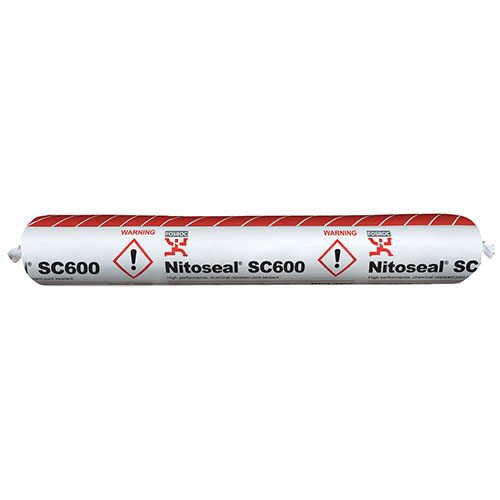
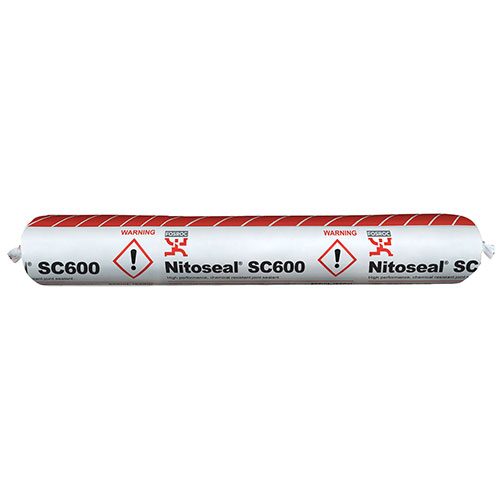
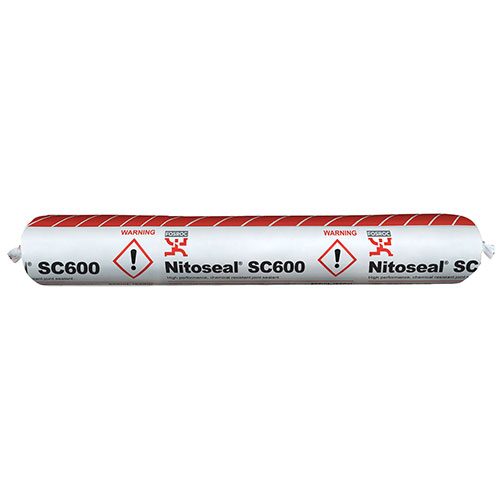
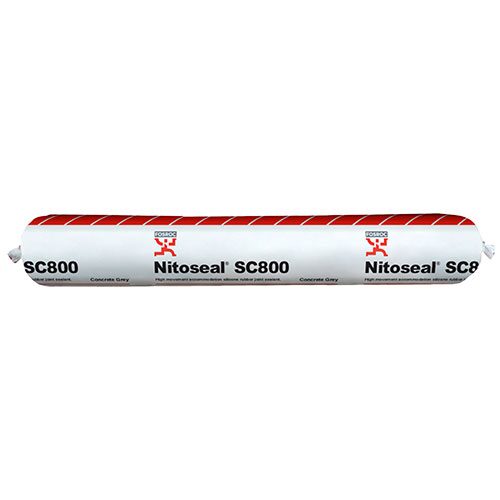
Joint Sealants in the catalogue
All Fosroc products →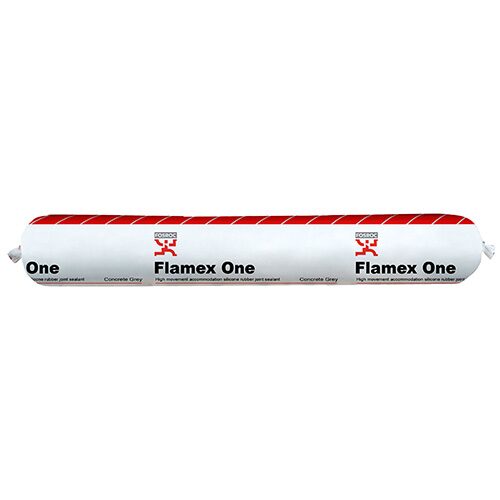
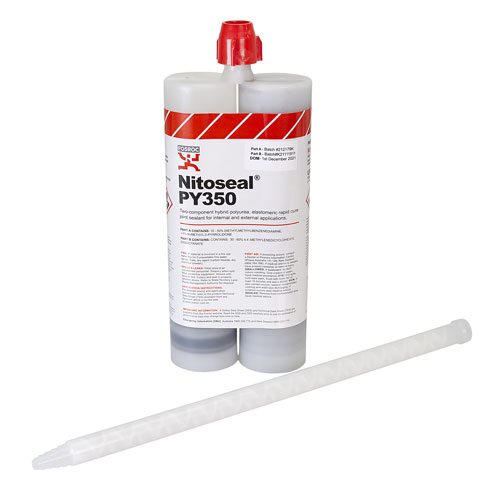
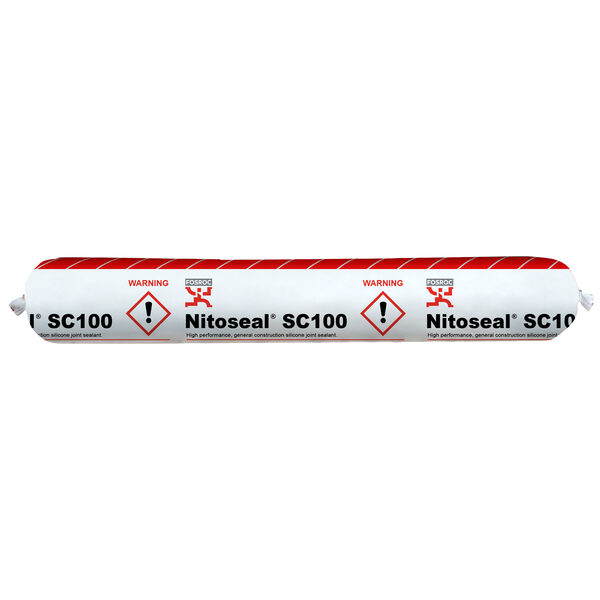
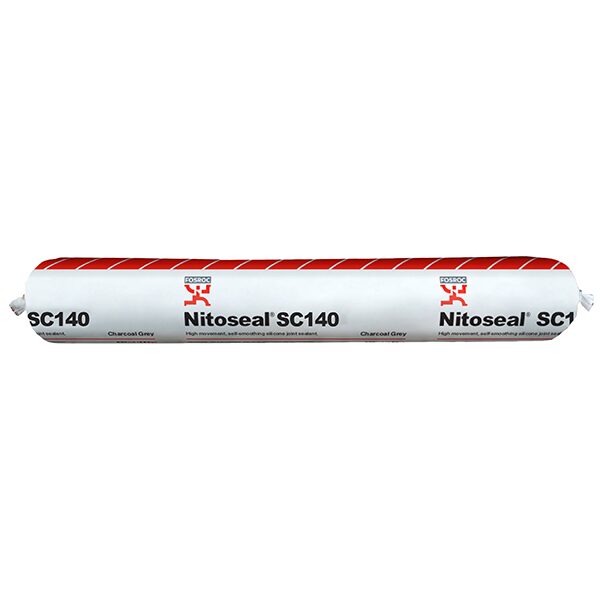
Joint Sealants: common questions
- Why is my sealant peeling off one face of the joint?
- Adhesive failure on one face usually means that face was contaminated, dusty, damp or unprimed when the sealant went on, or that the sealant was over-restrained by bonding to the back of the joint. Check preparation and priming, and confirm backer rod or bond breaker tape was used.
- Do I always need a primer?
- No, but you need to check. Many sealants require a primer on porous substrates such as concrete and masonry, and some require a different primer on non-porous substrates. The technical data sheet lists the primer per substrate, and skipping it is a frequent cause of adhesive failure.
- Can I use silicone in a trafficked floor joint?
- Generally no. Most silicones are too soft to support a joint arris under wheeled traffic and will be extruded or damaged. Trafficked floor joints need a harder sealant designed for that duty, and in heavy traffic a joint arm protection system may be required.
- Why is my sealant bead bubbling?
- Common causes are open-cell backer rod outgassing, a punctured backer rod, application onto a damp substrate, or applying a moisture-curing sealant in very high humidity at excessive depth. Using closed-cell rod and confirming substrate dryness resolves most cases.
Related systems
Expansion Joint Fillers
Closed-cell foam, cross-linked foam and compressible fillers that form the joint and set the depth for the sealant above.
Waterstops & Joint Sealing Systems
PVC, hydrophilic and injectable waterstops for construction and movement joints in water-retaining and below-ground structures.
Waterproofing Membranes
Pre-applied, post-applied, torch-on and liquid membranes for below-ground tanking, podiums, decks and wet areas.