Fosroc construction chemicals
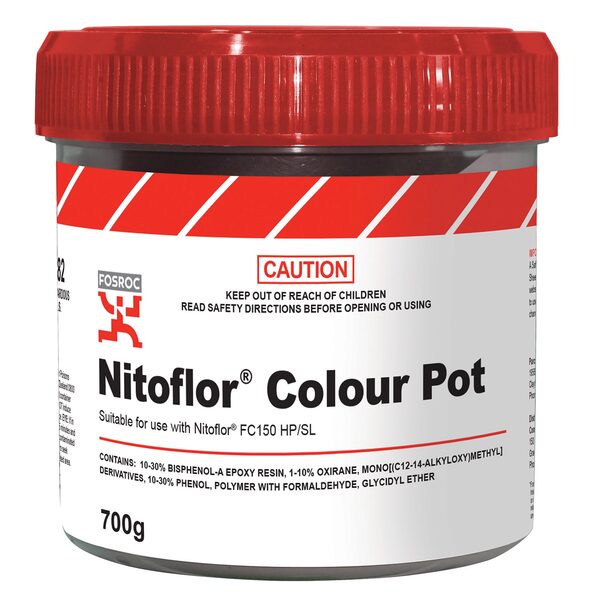
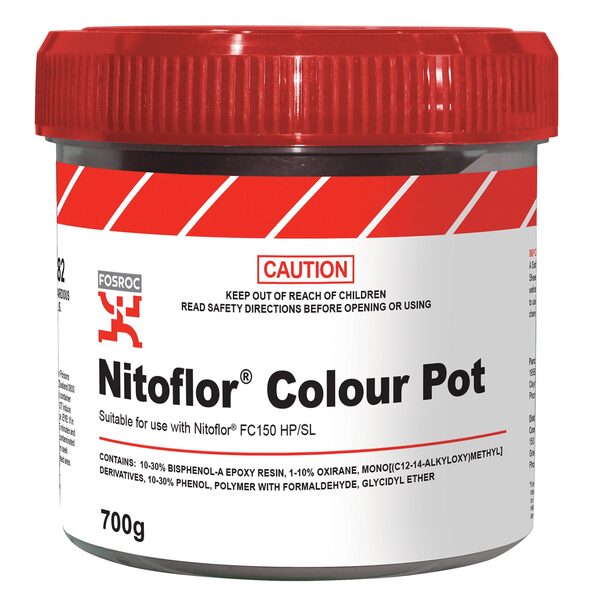
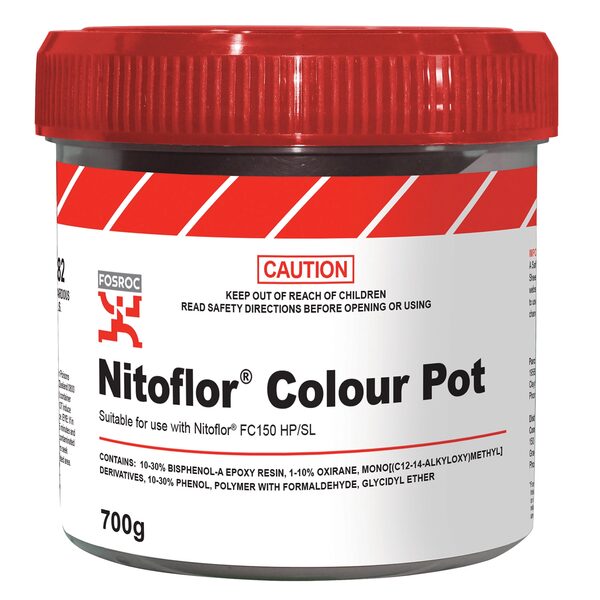
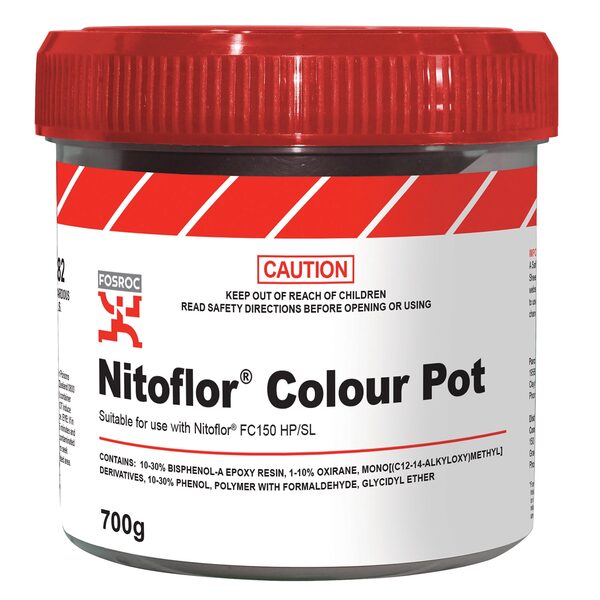
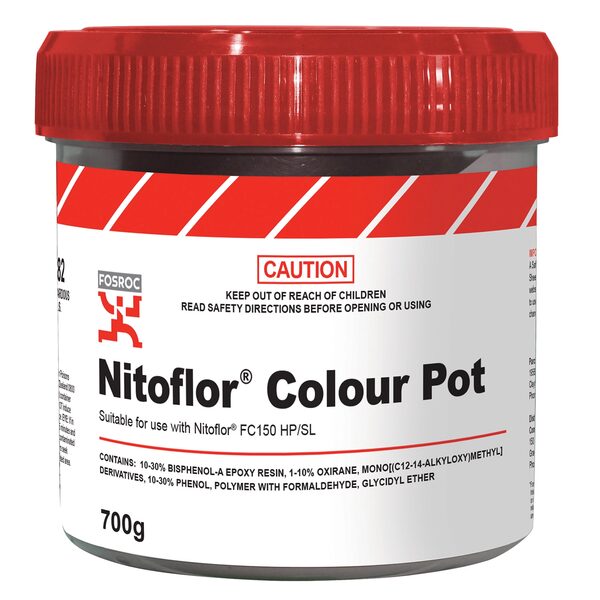
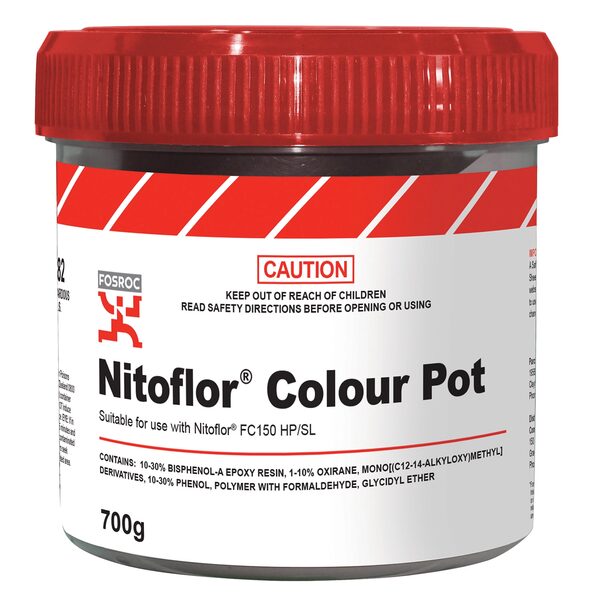
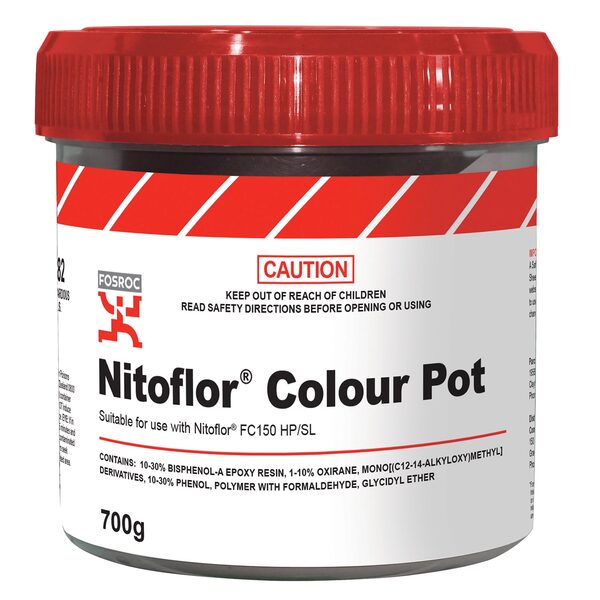
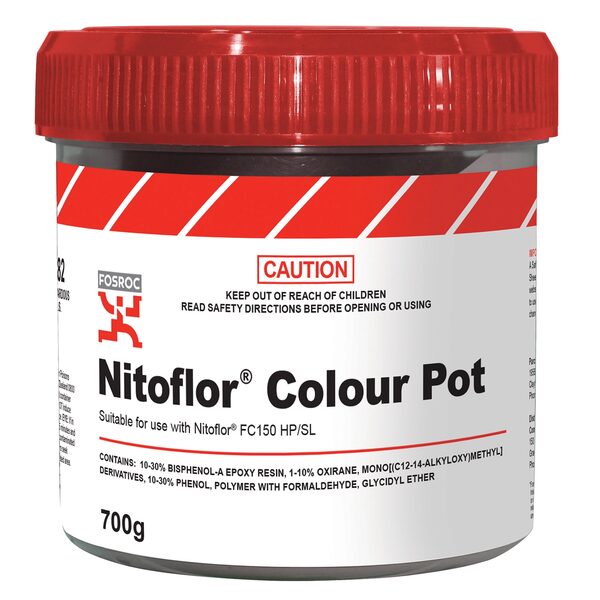
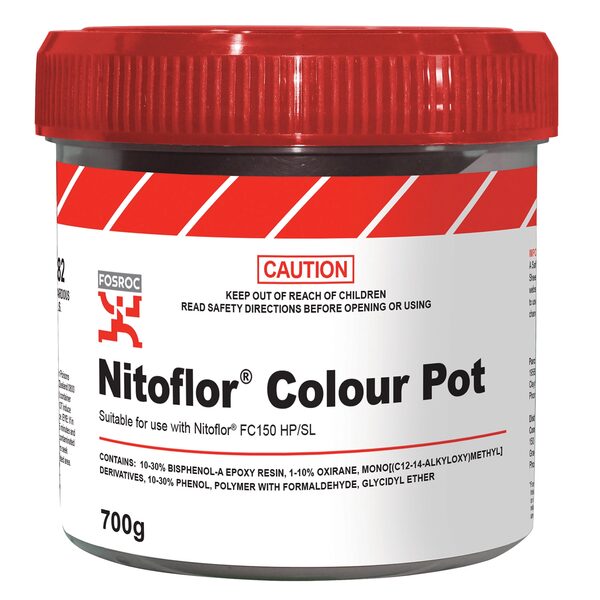
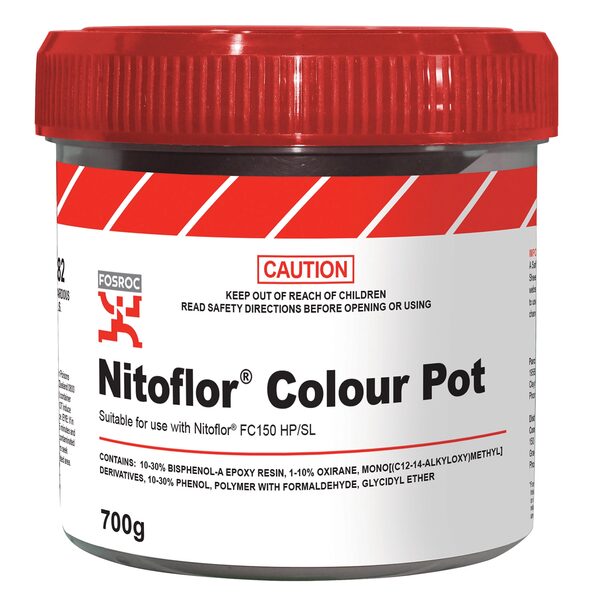
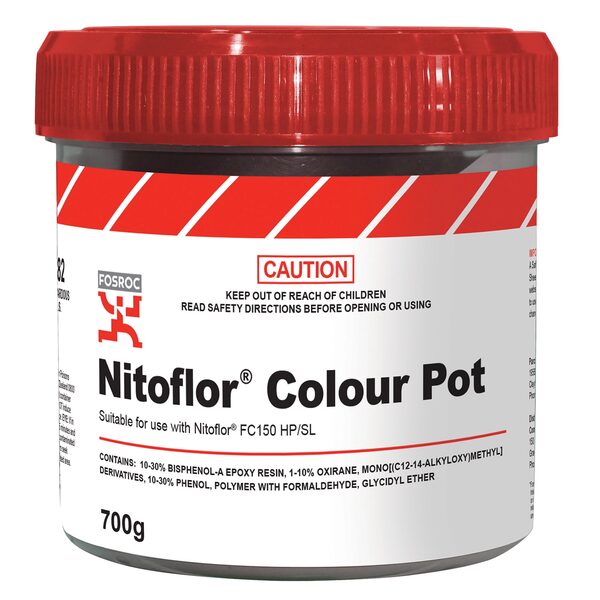
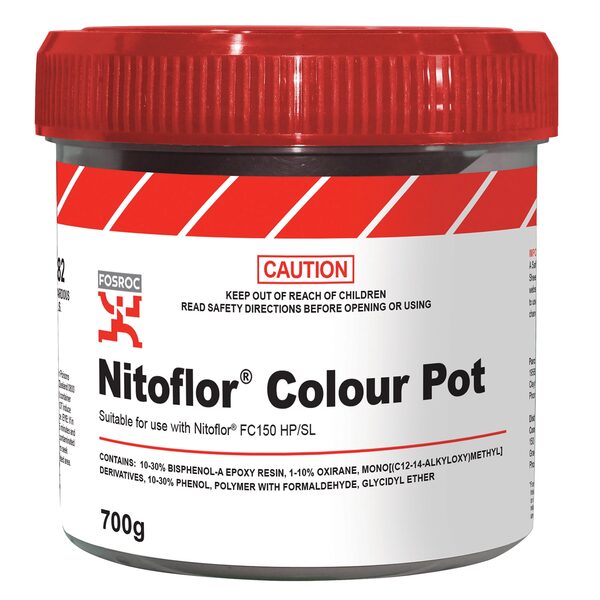
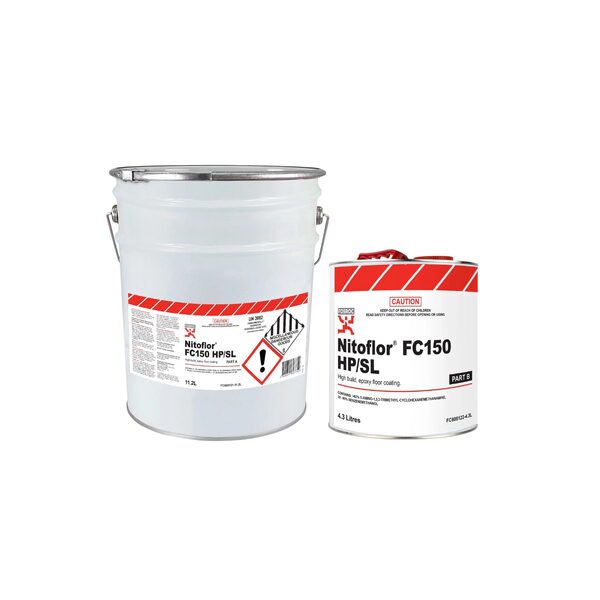
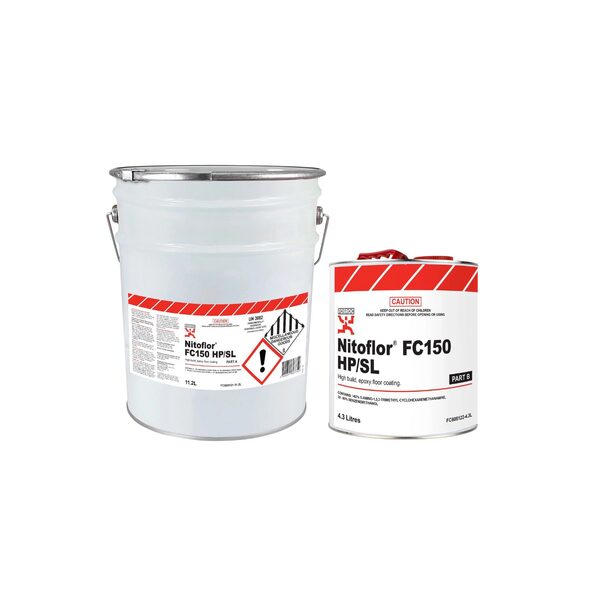
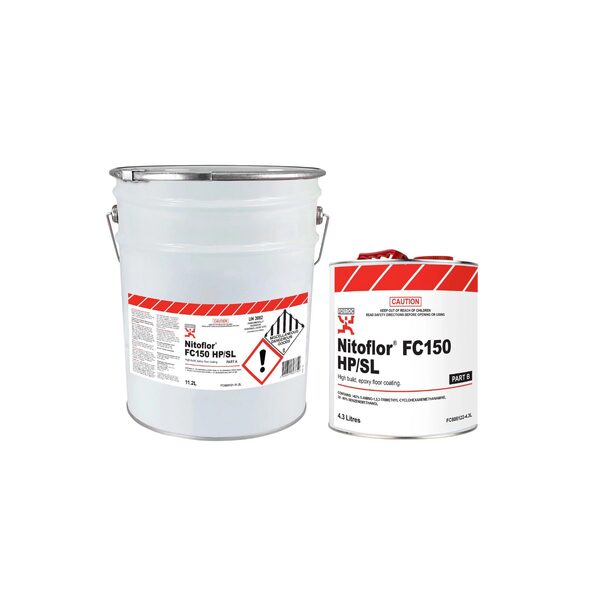
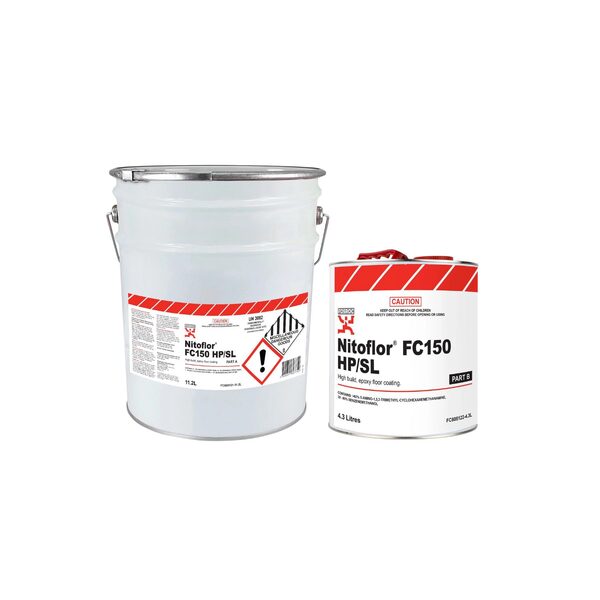
Industrial Floor Coatings & Toppings
An industrial floor coating has to survive the traffic, the chemicals, the temperature swings and the cleaning regime the floor will actually see. CSA supplies the Fosroc Nitoflor range for industrial builders, facility managers and flooring applicators.
Most floor coating failures trace back to the slab rather than the coating: inadequate surface preparation, moisture in the substrate, or a coating system chosen for a lighter duty than the floor receives.
What decides the selection
- Traffic type and weight: foot, pallet, forklift, hard wheel
- Chemical exposure and cleaning regime
- Thermal shock from hot washdown or steam
- Required slip resistance
- Anti-static or conductive requirements
- Slab moisture condition and vapour barrier presence
- Downtime available for application and cure
Matching the system to the duty
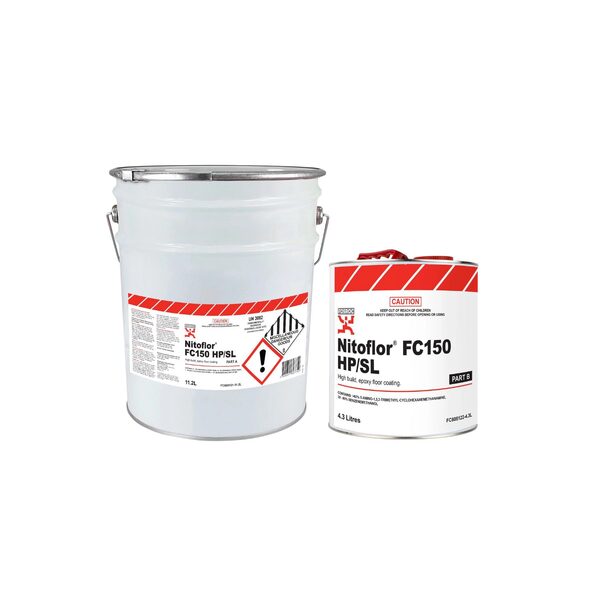
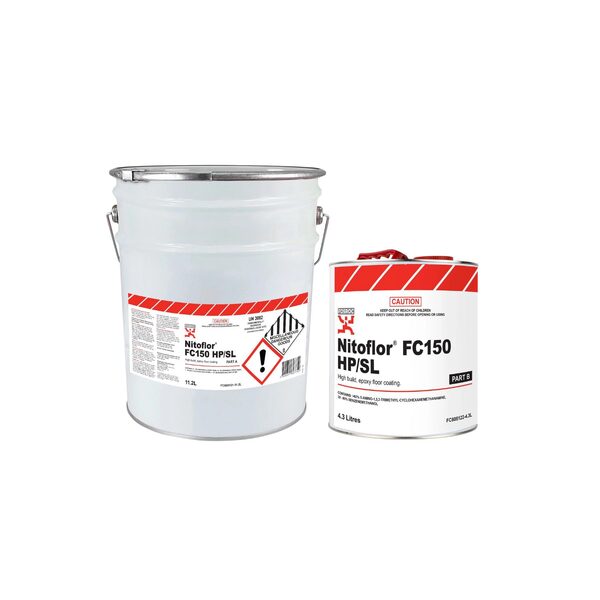
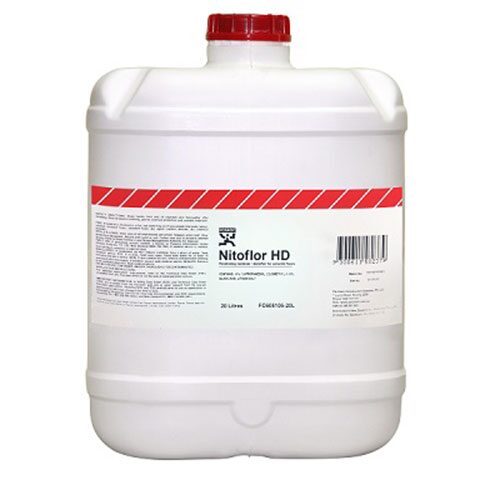
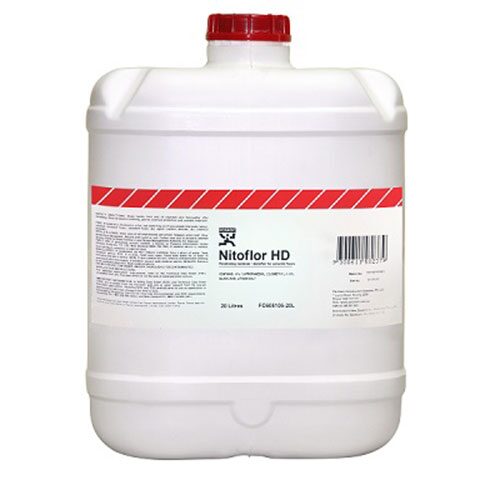
Thin-film epoxy seal coats give a cleanable, dust-proofed surface for light traffic and are the most economical option, but they follow the profile of the slab and offer limited mechanical protection.
Self-levelling epoxy systems build a thicker, smoother film that tolerates heavier traffic and hides minor substrate variation. Heavy-duty polyurethane screeds are the choice for food and beverage processing, wet areas and anywhere thermal shock from hot washdown or steam cleaning is expected, because polyurethane accommodates thermal movement far better than epoxy at thickness.
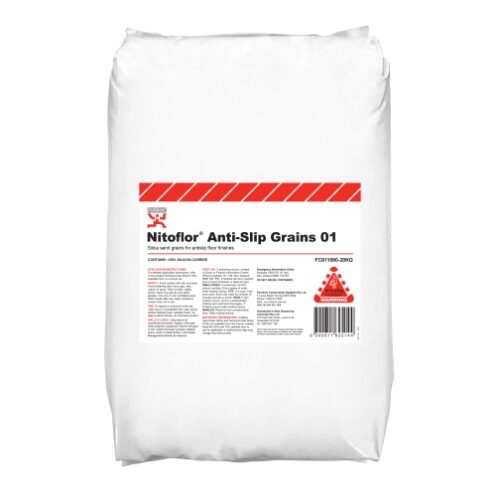
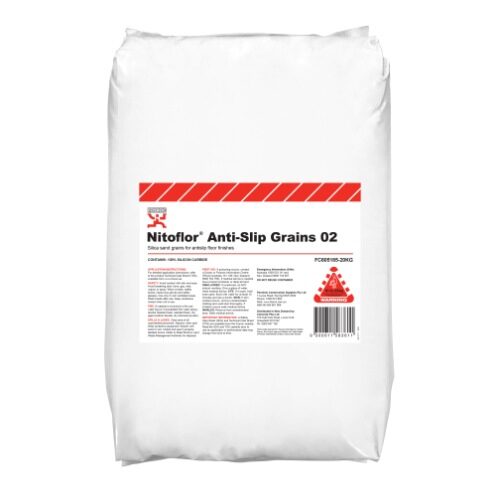
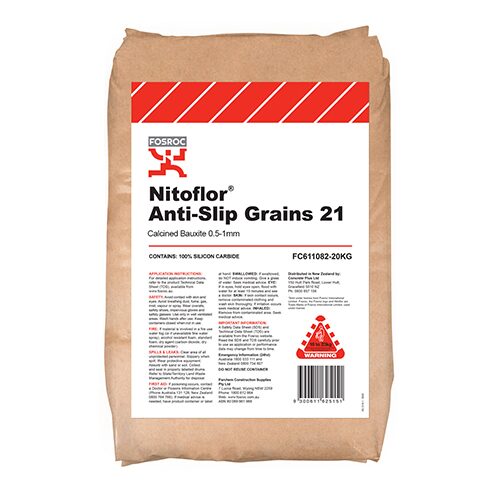
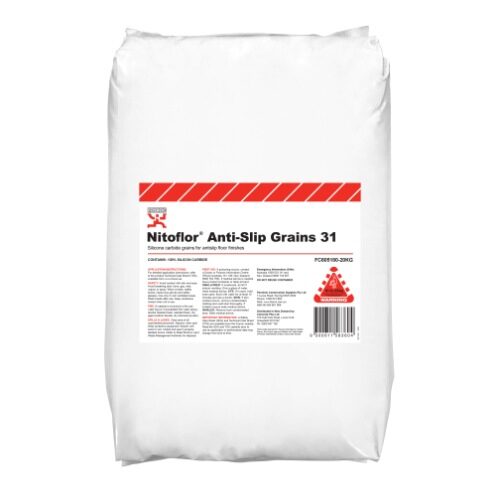
Anti-static and conductive systems are specified where electrostatic discharge is a hazard, and anti-slip performance is built in by broadcasting graded aggregate into the system rather than relying on the coating alone.
Surface preparation is not optional
Coatings bond to a prepared profile, not to a smooth power-floated surface. Diamond grinding or shot blasting to the profile stated in the technical data sheet removes laitance, curing compound residue and contamination, and opens the surface.
Acid etching is no longer accepted as adequate preparation for most systems. It rarely produces a uniform profile, it leaves salts behind if not properly neutralised and rinsed, and it introduces water into the slab immediately before a moisture-sensitive coating.
- Diamond grind or shot blast to the specified profile
- Remove all curing compound, laitance and contamination
- Moisture test the slab before applying a moisture-sensitive system
- Cut in a perimeter and joint detail before the main pour
- Control ambient and substrate temperature and dew point during application
Moisture: the most common cause of failure
Coating a slab that is still releasing moisture produces osmotic blistering and delamination, sometimes months later. Slabs without an effective under-slab vapour barrier can transmit moisture indefinitely, regardless of how long they are left to dry.
Test the slab moisture condition before applying the system, using the method the coating manufacturer specifies. Where moisture is present or a vapour barrier is absent, a moisture-tolerant primer or a dedicated moisture vapour barrier coating is required, and that has to be priced into the job rather than discovered during it.
Joints and detailing
Movement joints in the slab must be carried through the coating. Coating over a movement joint simply relocates the crack into the coating, usually within weeks.
Coving at wall junctions, falls to drainage in wet areas, and termination details at doorways and joints all need to be designed and priced. A floor coating specification that covers only the field area is incomplete.
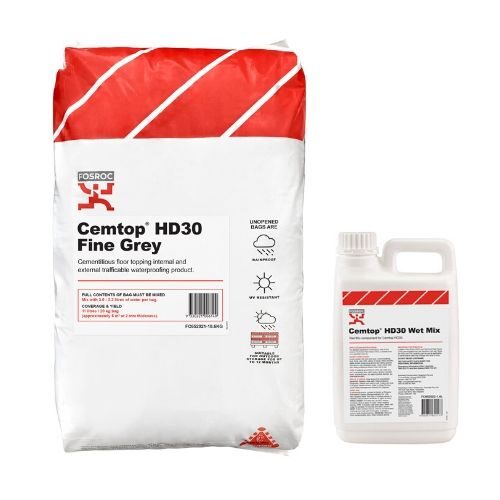
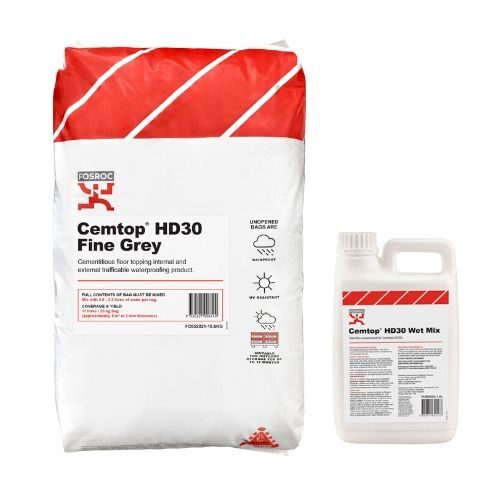
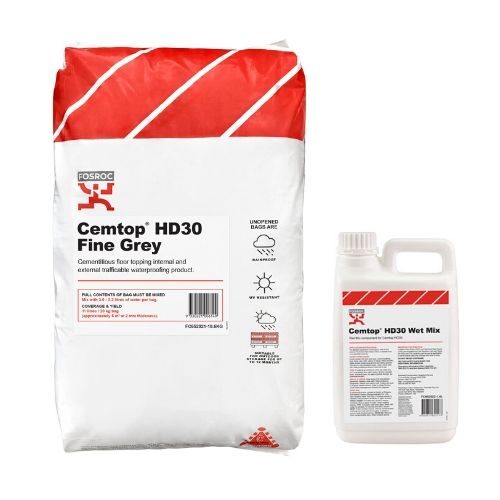
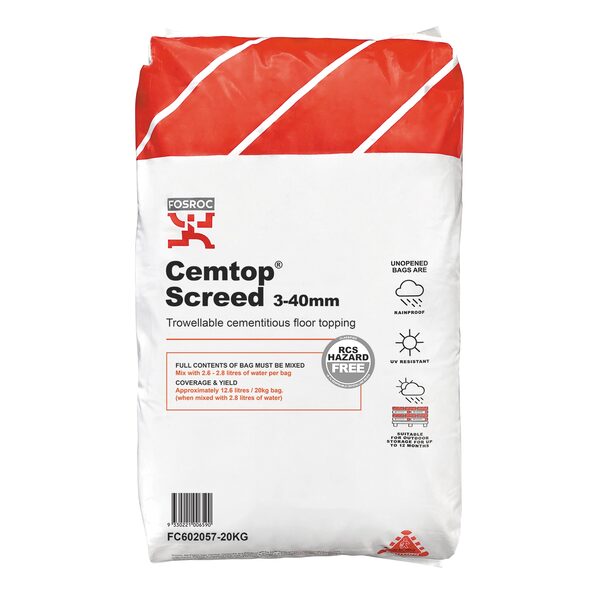
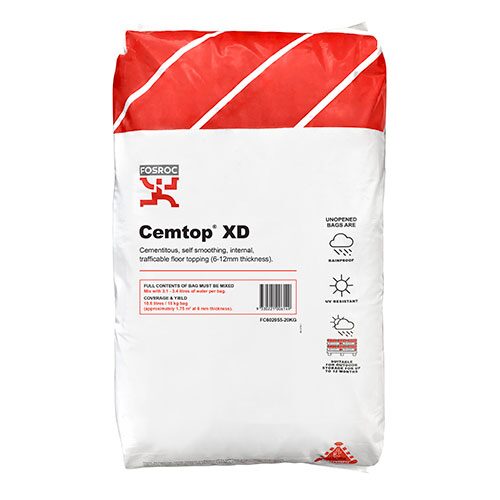
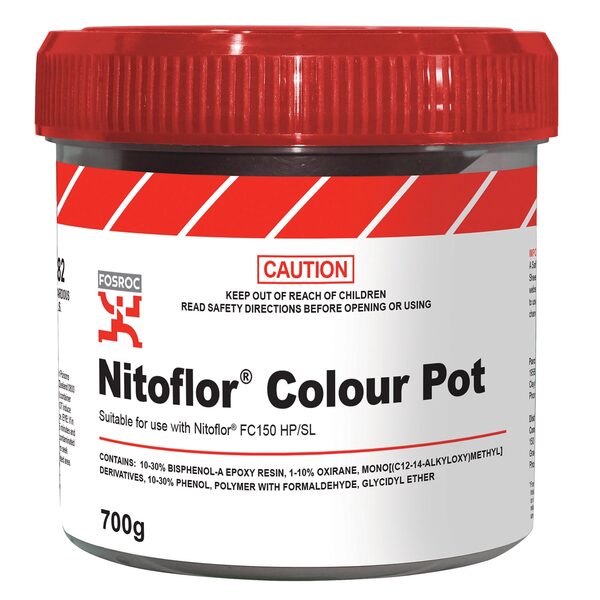
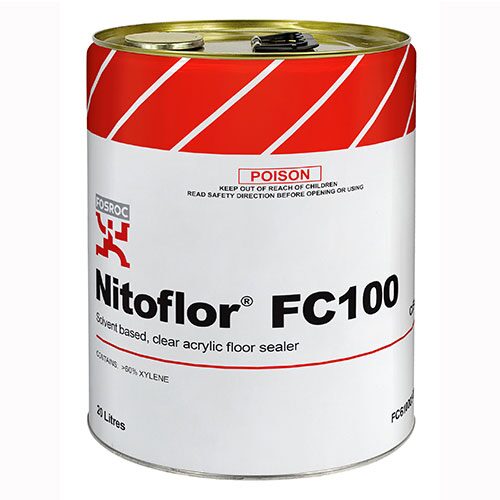
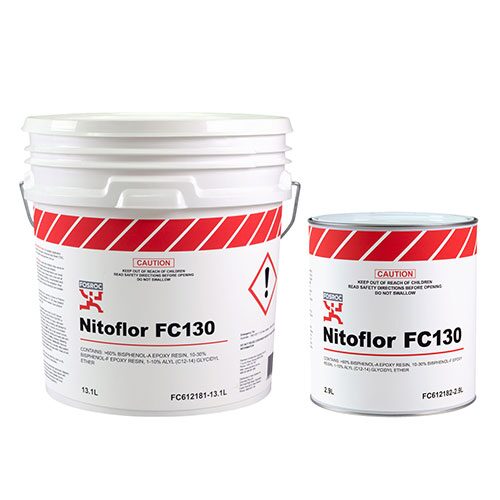
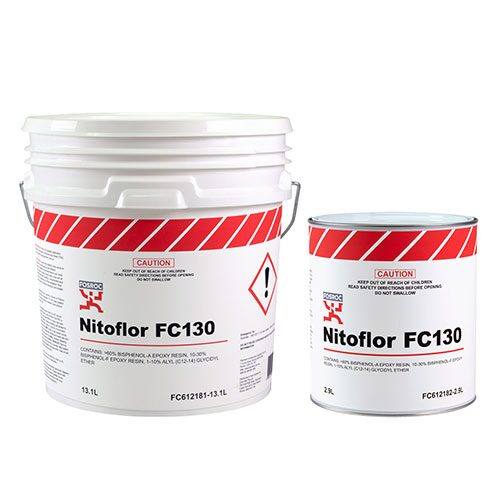
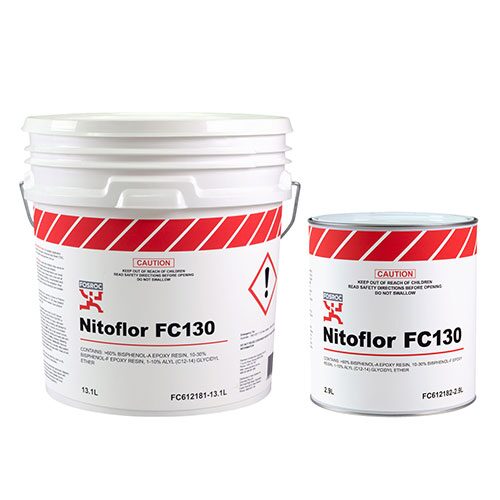
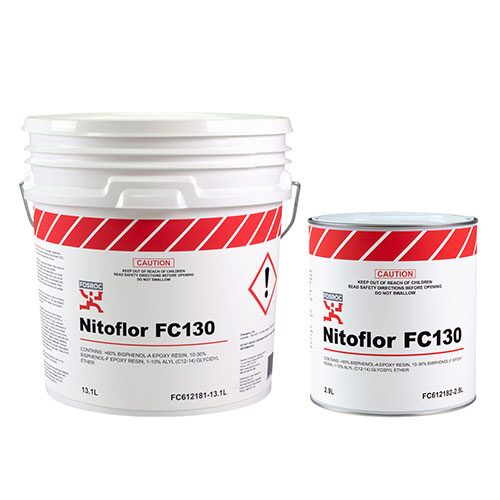
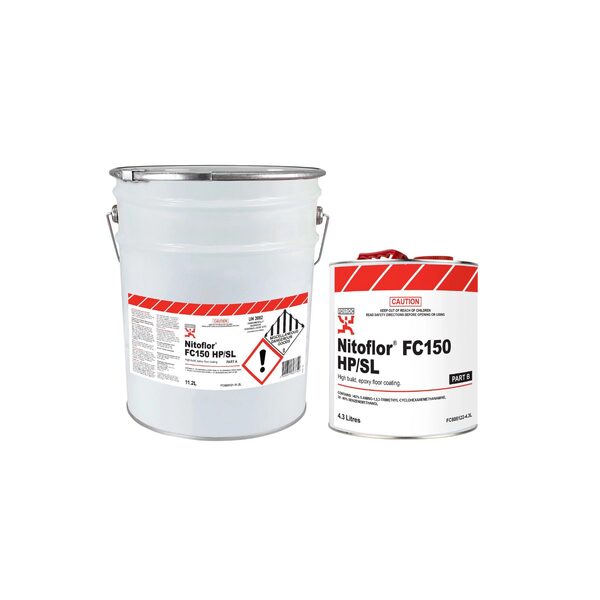
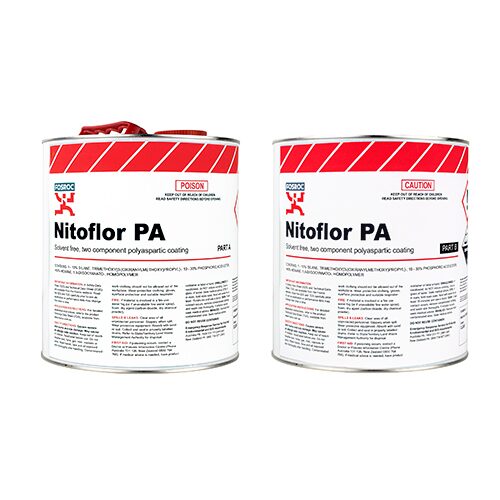
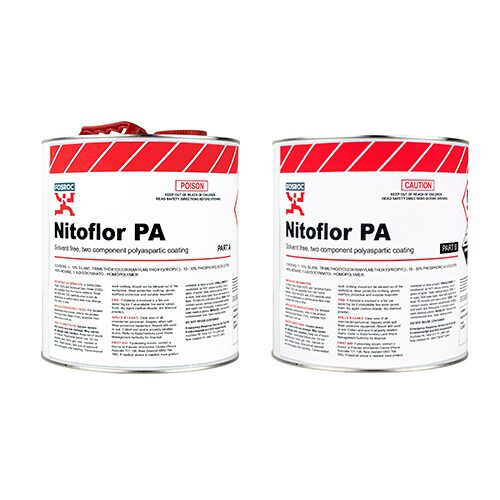
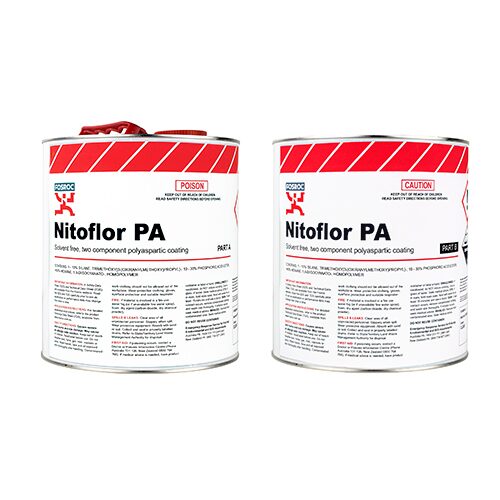
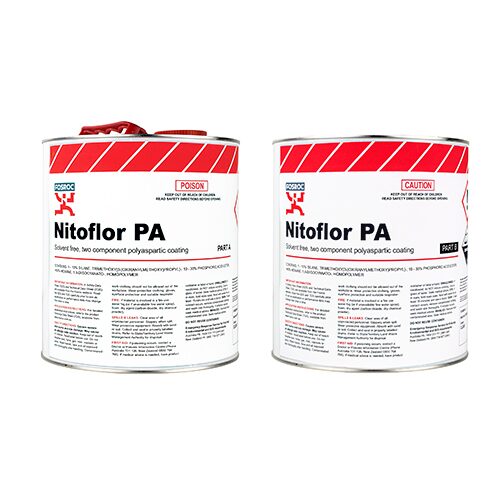
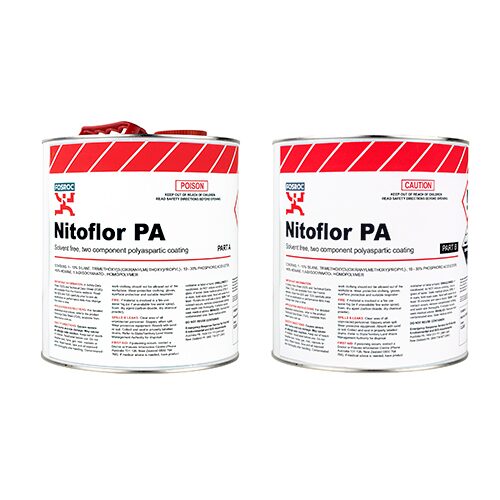
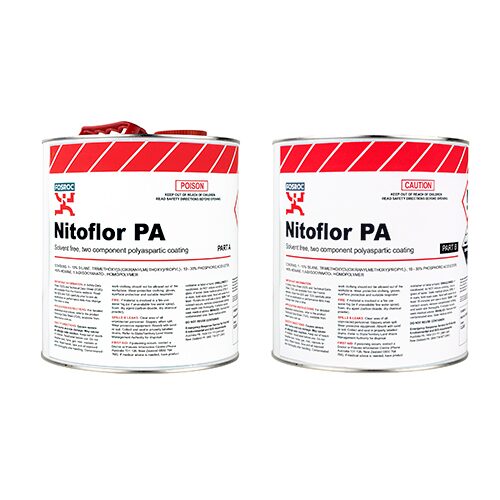
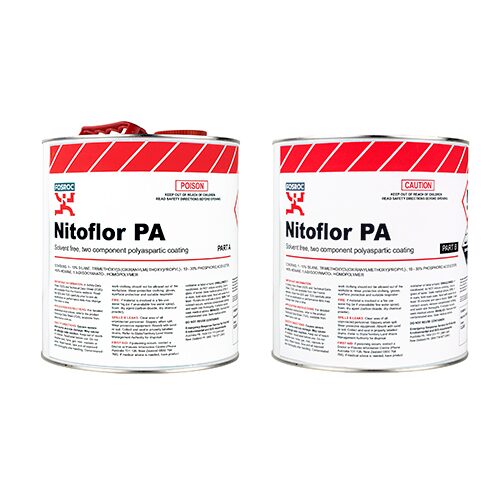
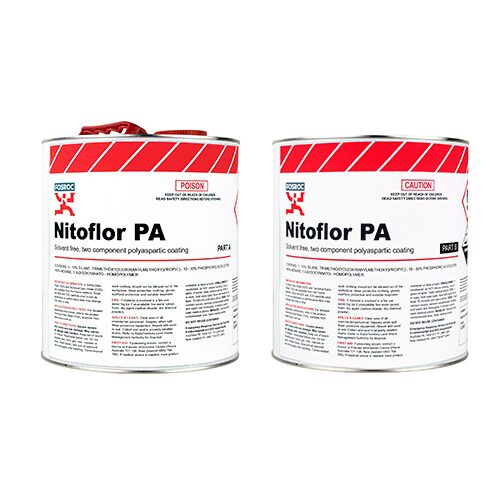
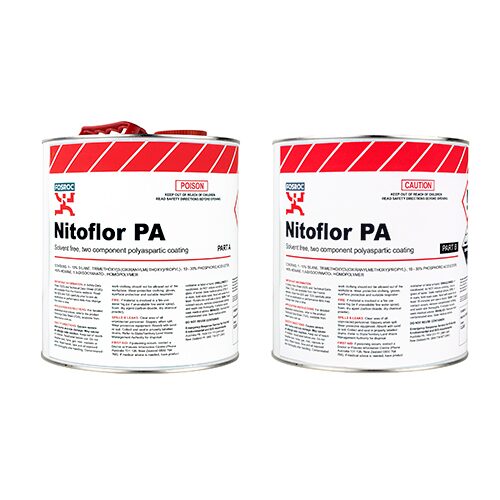
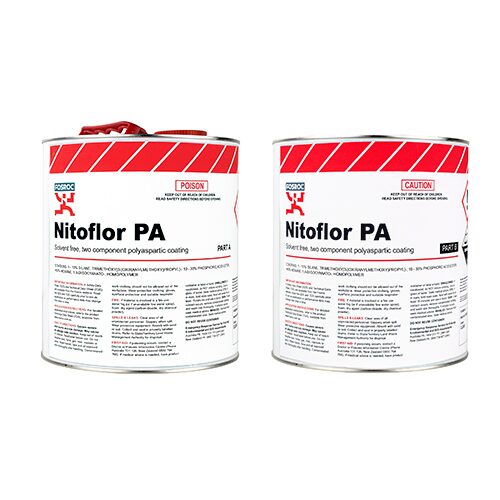
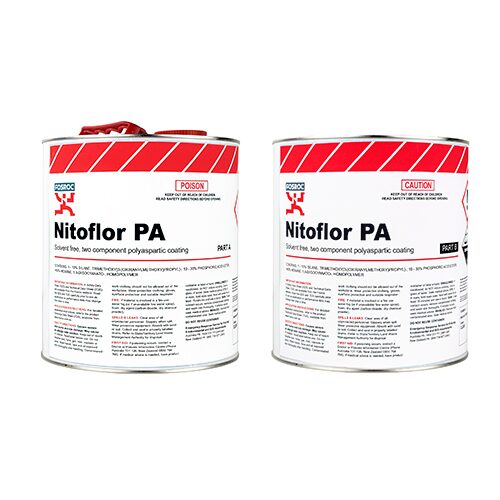
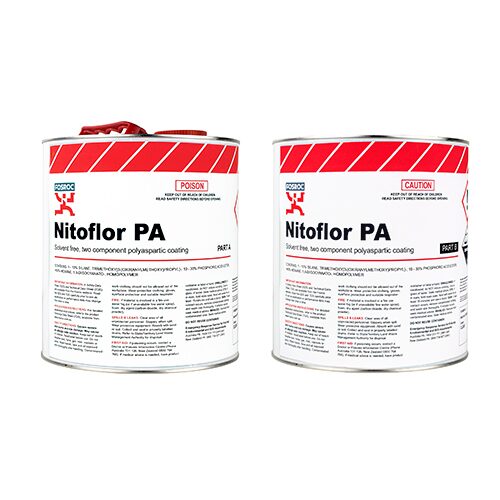
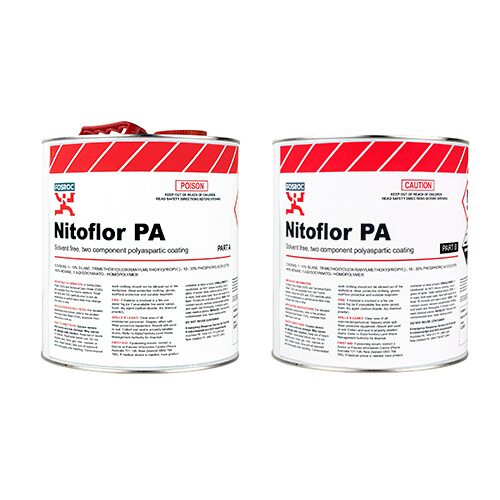
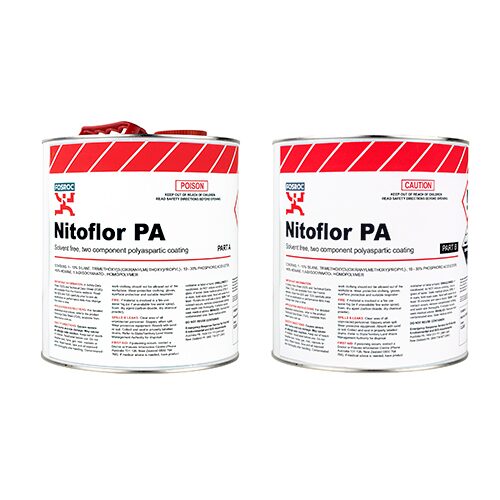
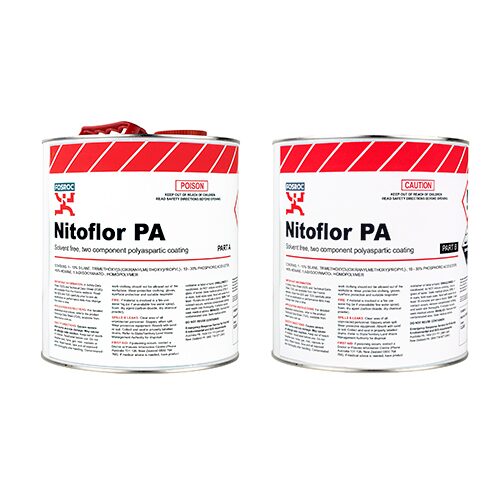
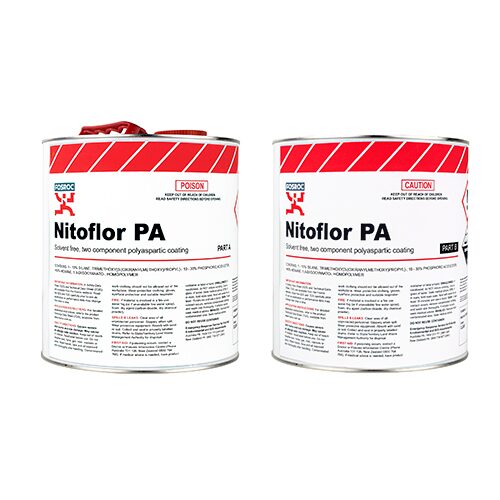
Industrial Floor Coatings & Toppings in the catalogue
All Fosroc products →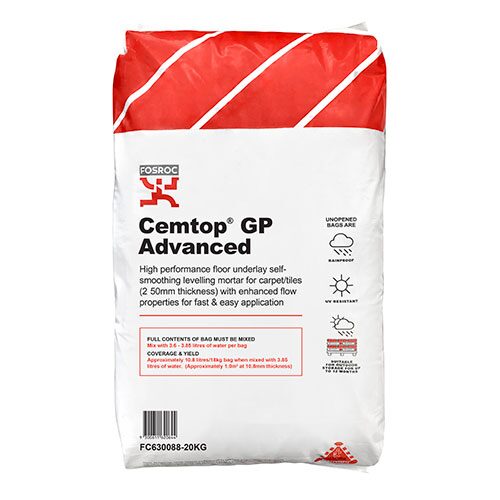
Industrial Floor Coatings & Toppings: common questions
- Why is my epoxy floor blistering?
- Most often osmotic blistering driven by moisture in the slab, particularly where there is no effective under-slab vapour barrier. Inadequate surface preparation and coating over curing compound residue produce similar symptoms. Moisture testing before application is the way to avoid it.
- Can I acid etch instead of grinding?
- For most modern systems, no. Acid etching rarely produces a consistent profile, can leave residual salts, and wets the slab immediately before a moisture-sensitive coating. Mechanical preparation by diamond grinding or shot blasting is the expected method.
- When should I use a polyurethane screed instead of epoxy?
- Where the floor sees thermal shock such as hot washdown or steam cleaning, in wet processing areas, and in food and beverage environments. Polyurethane screeds accommodate thermal movement at thickness much better than epoxy, which can debond under repeated thermal cycling.
- Do movement joints need to continue through the coating?
- Yes. A movement joint that is coated over will reflect through as a crack in the coating. The joint must be carried through and sealed with a sealant suited to the traffic and exposure.
Related systems
Curing Compounds & Release Agents
Membrane-forming curing compounds and form release agents that protect early-age concrete and give a clean strike.
Protective Concrete Coatings
Anti-carbonation, chemical-resistant and decorative protective coatings that extend the service life of concrete.
Joint Sealants
Polyurethane, polysulphide, silicone and hybrid sealants for movement joints, facades, floors and fire-rated penetrations.