Fosroc construction chemicals
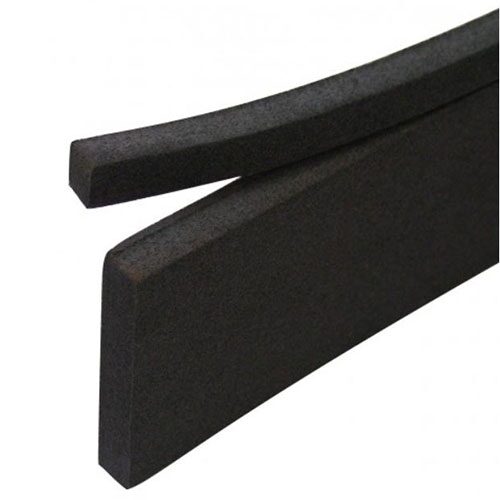
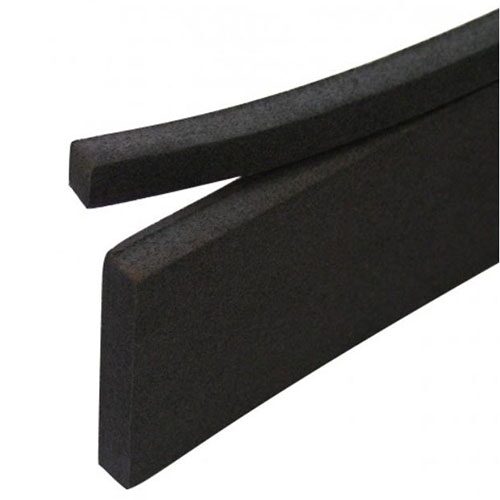
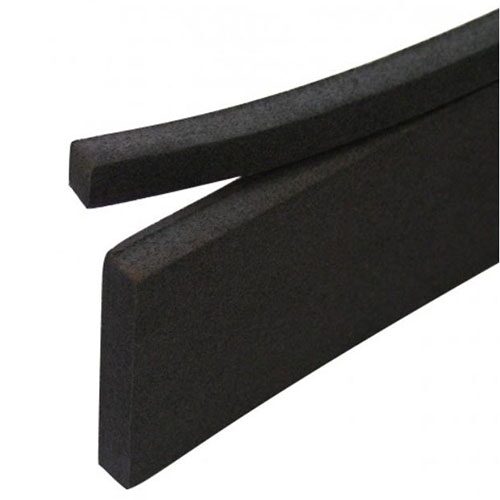
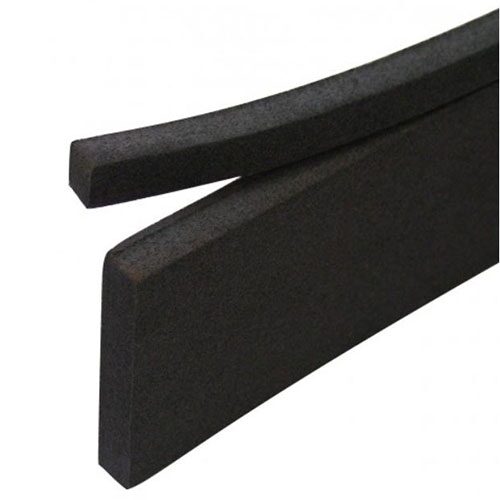
Expansion Joint Fillers
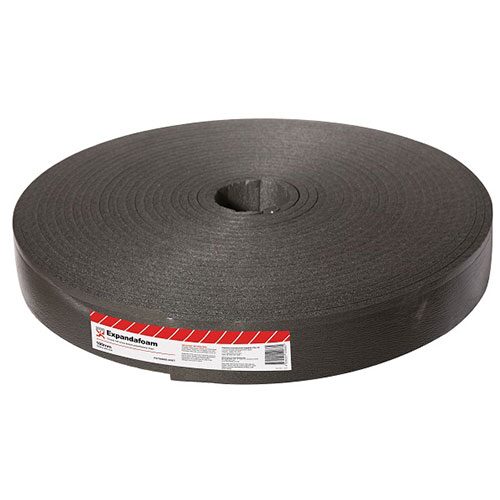
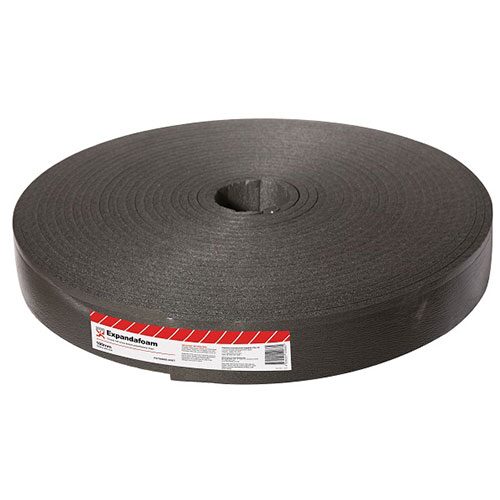
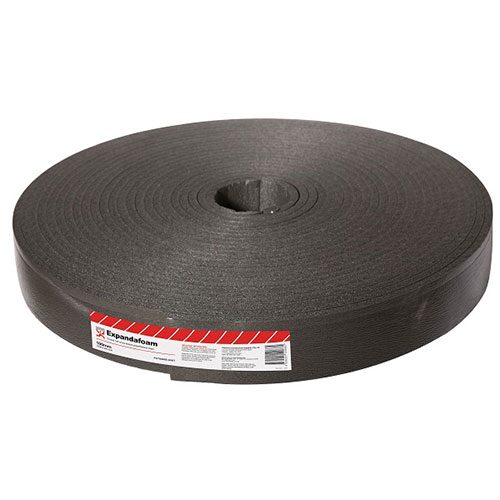
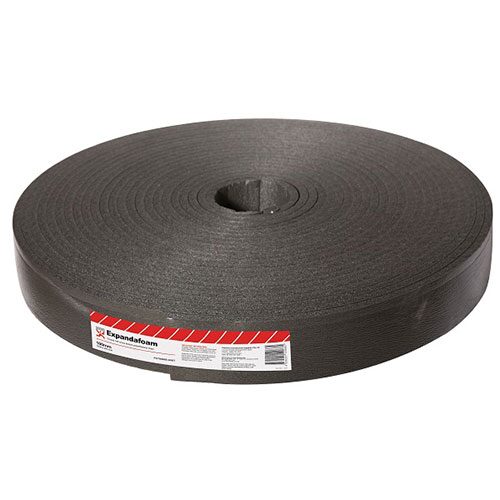
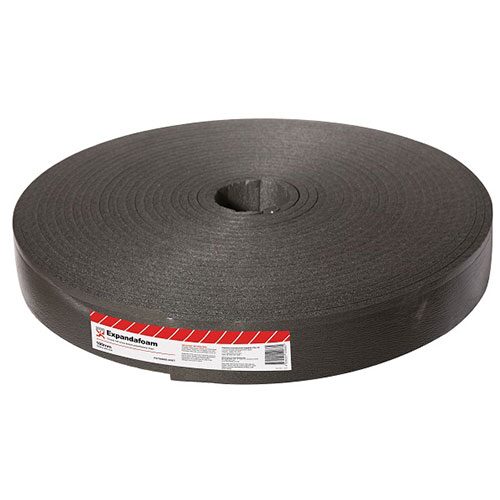
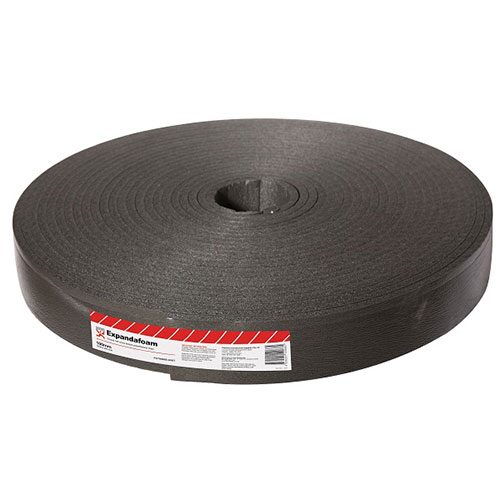
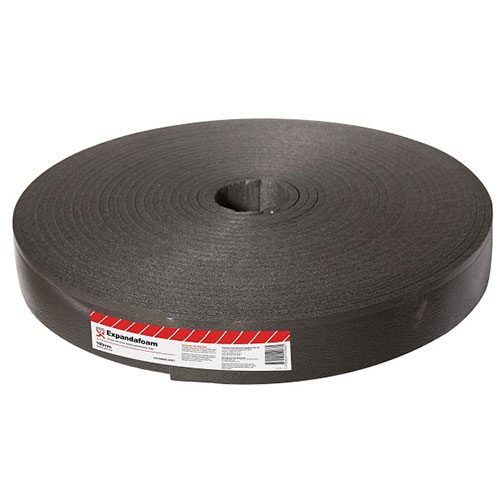
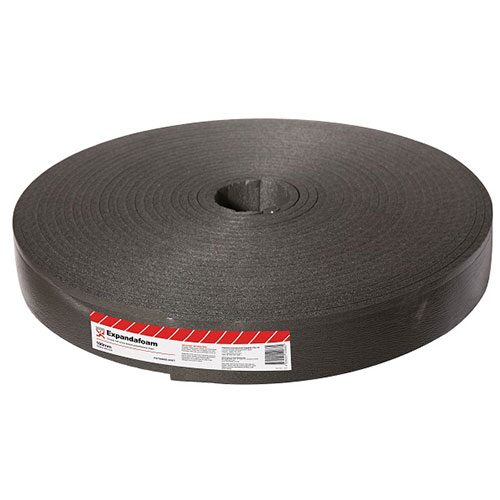
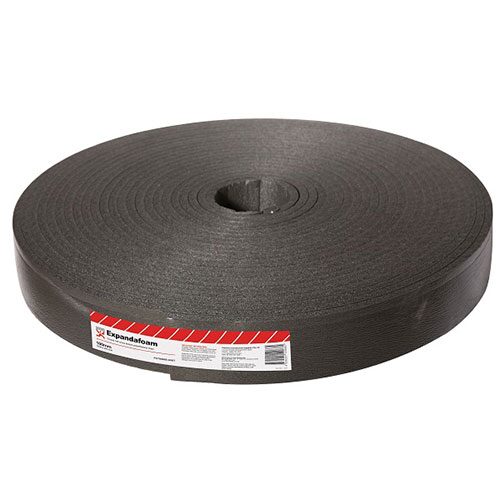
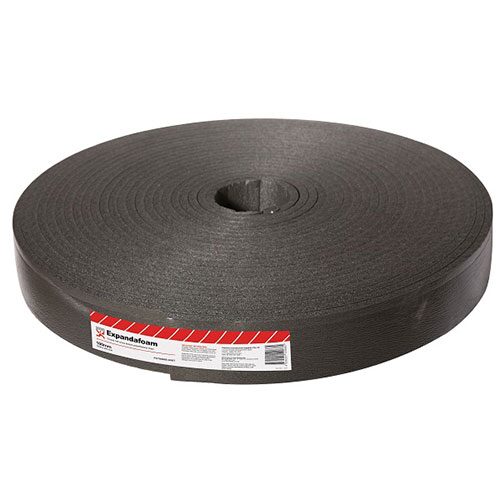
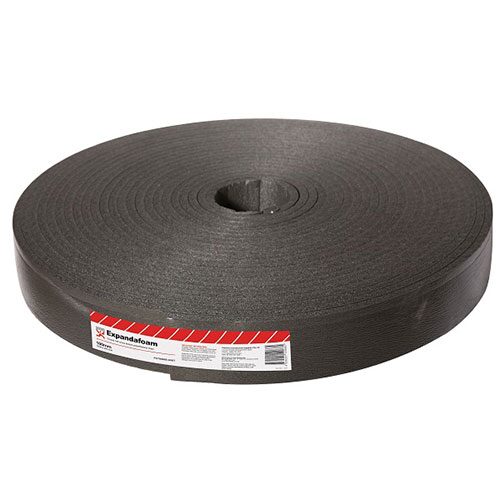
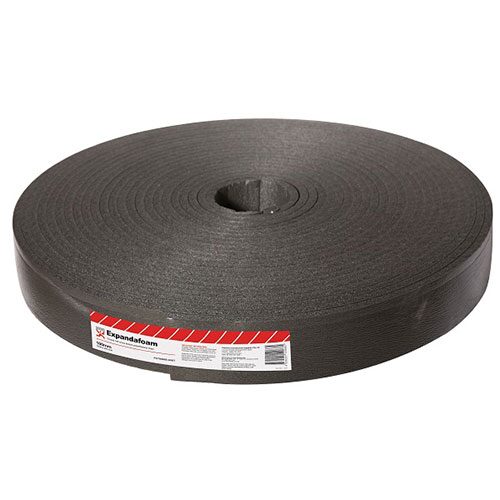
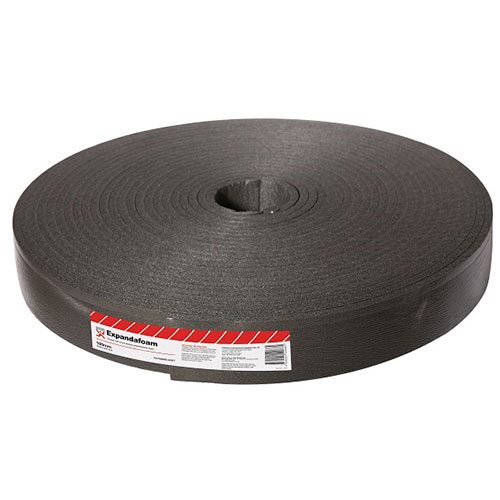
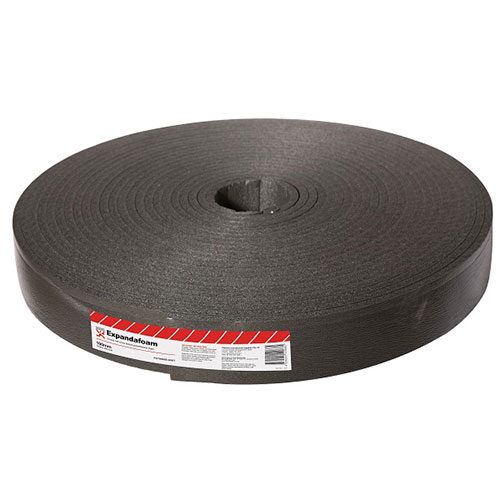
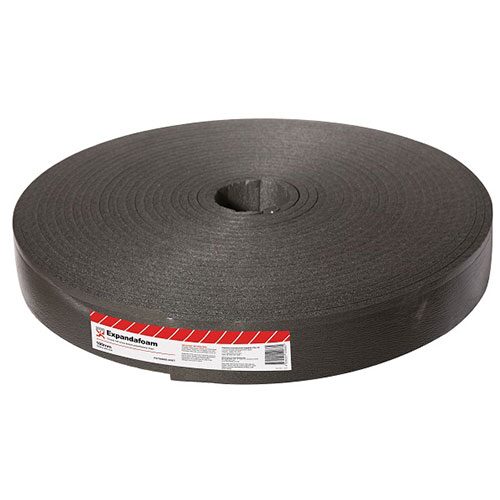
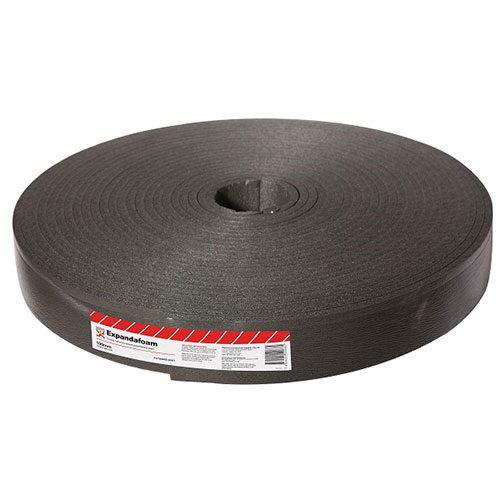
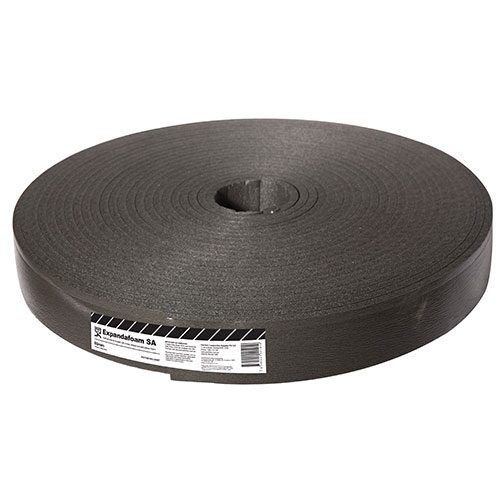
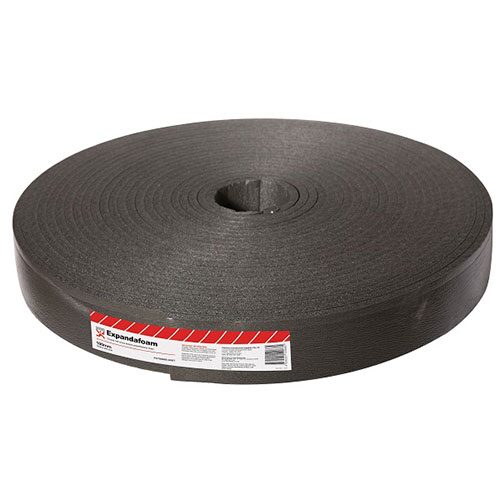
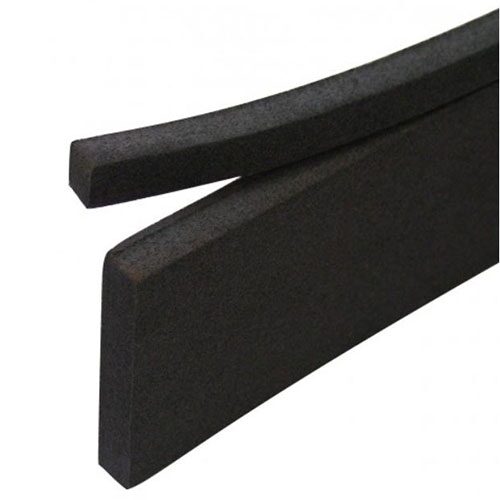
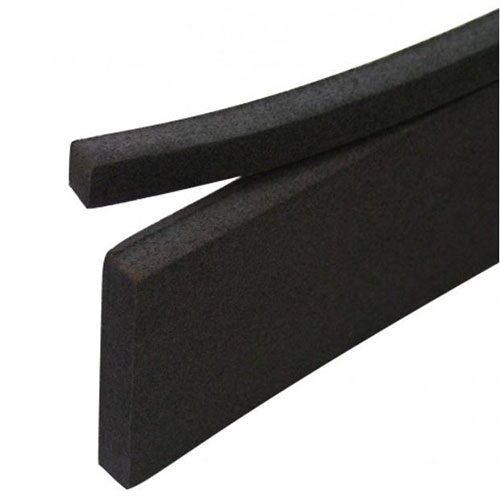
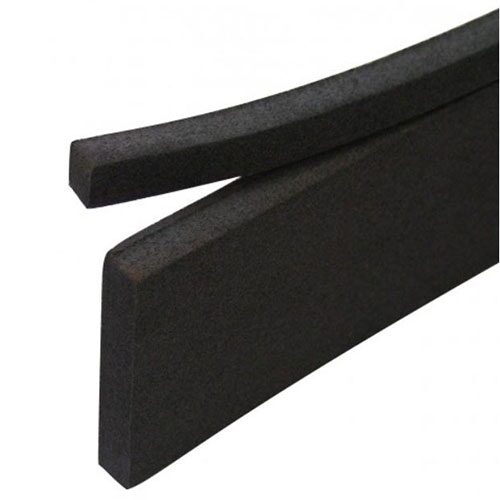
A joint filler forms the joint in the pour, holds the gap while the concrete cures, and compresses as the joint closes. It also sets the depth available for the sealant that goes on top. CSA supplies the Fosroc joint filler range for concreters, civil contractors and estimators.
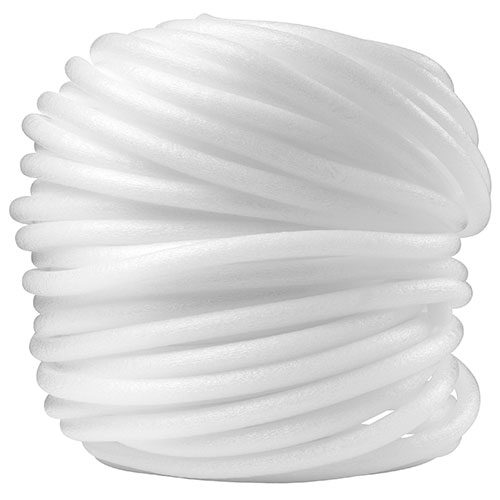
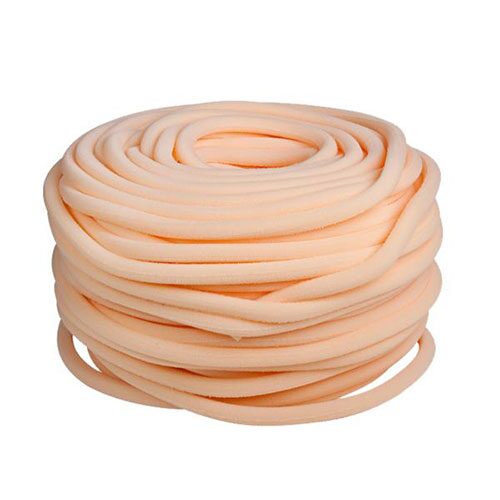
Filler and backer rod are often confused. The filler occupies the body of the joint. The backer rod sits at the top of the joint under the sealant and controls the sealant profile. Some products do both jobs, many do not.
What decides the selection
- Design joint movement and joint width
- Required recovery after compression
- Water absorption and exposure
- Whether the joint will be sealed, and with what
- Fixing method: loose, self-adhesive or formwork fixed
- Placement robustness under concrete pressure
Filler, backer rod and sealant: three different jobs
The filler is placed before the pour and defines the joint. It has to be stiff enough to stay in place and straight while concrete is placed against it, and compressible enough to allow the joint to close without transmitting load across it.
The backer rod goes in after the joint is formed and cleaned, immediately below the sealant. It sets the sealant depth, gives the bead its hourglass shape and prevents bonding to the back of the joint. Where a self-adhesive filler leaves a suitable recess, the sealant can sometimes be applied directly over a bond breaker, but the depth still has to be controlled.
Comparing filler materials
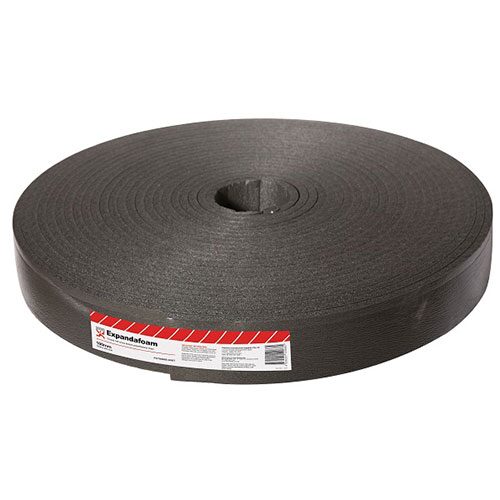
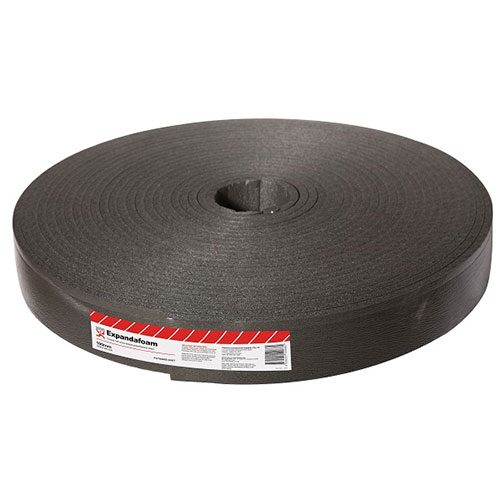
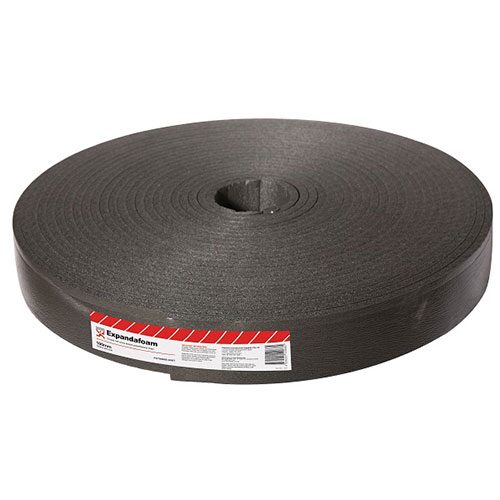
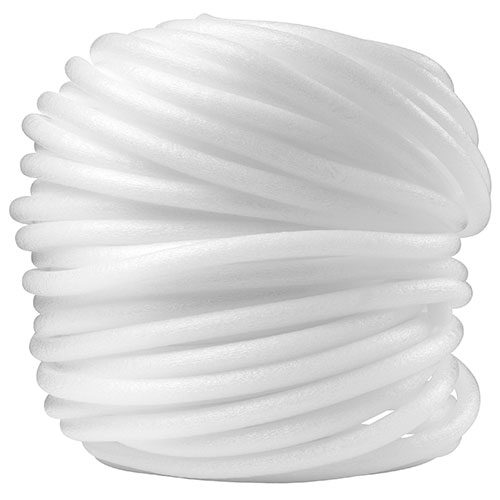
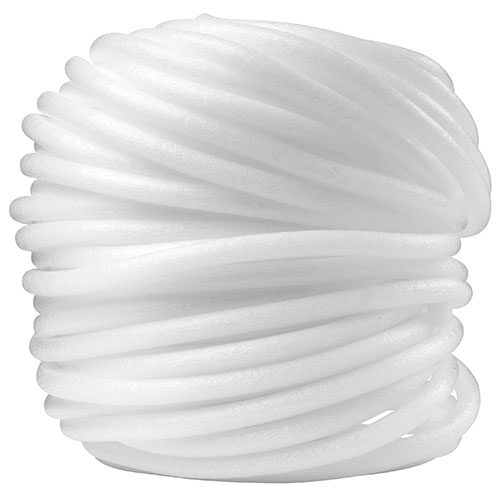
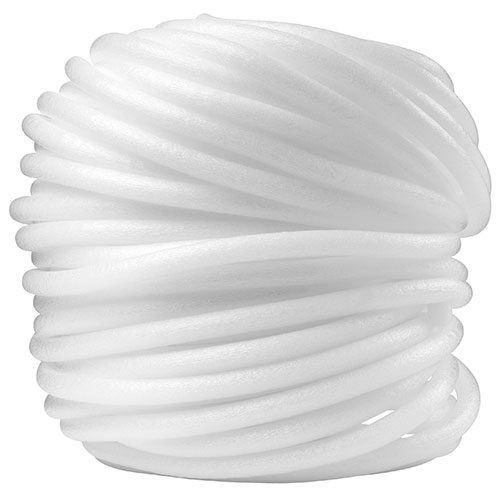
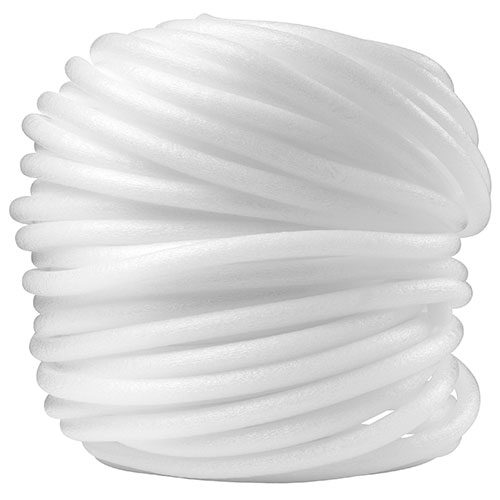
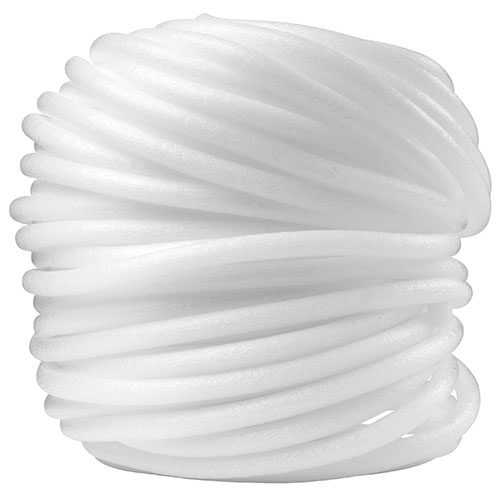
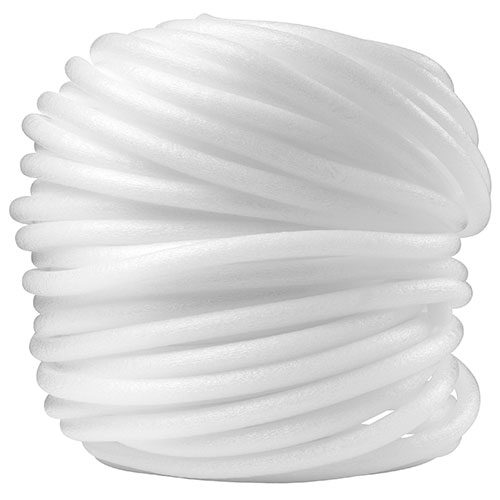
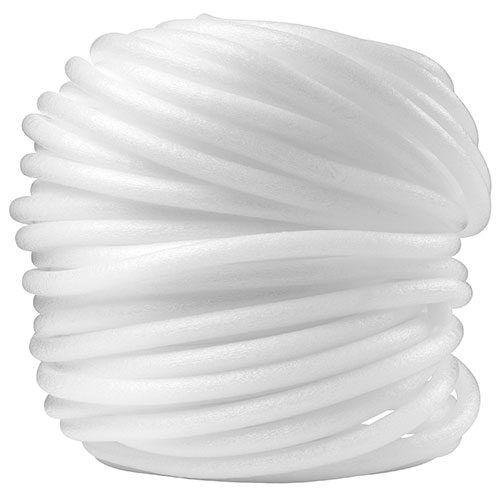
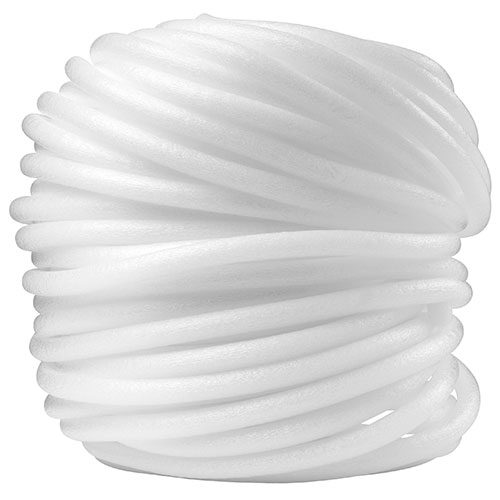
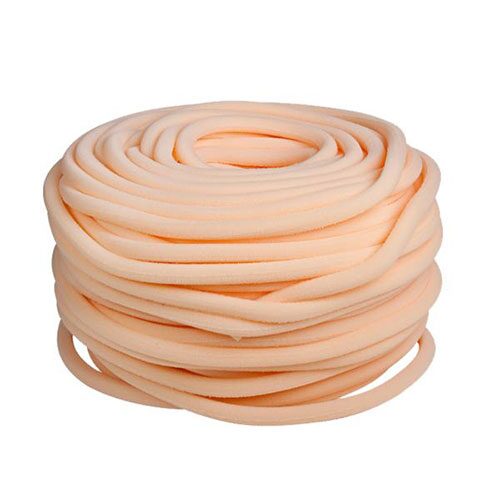
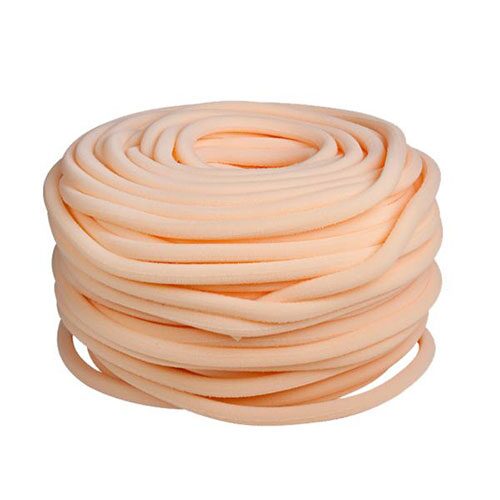
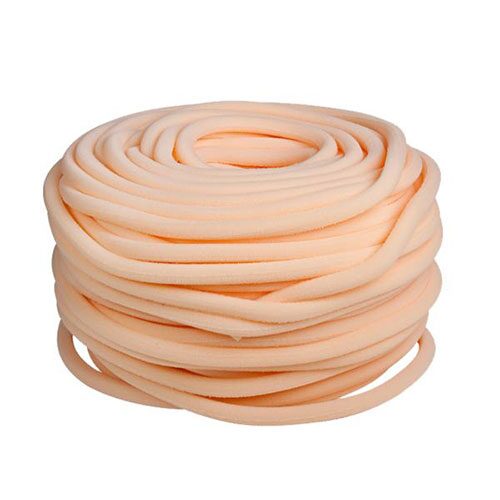
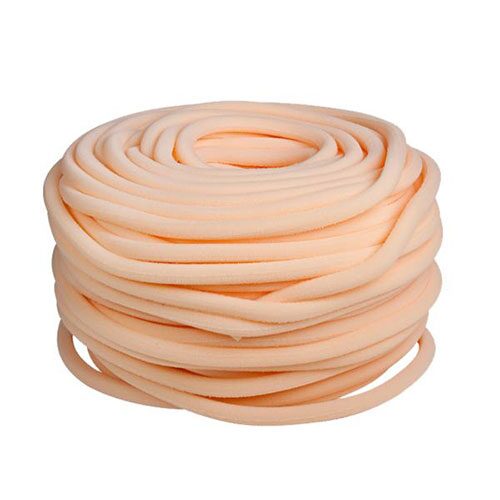
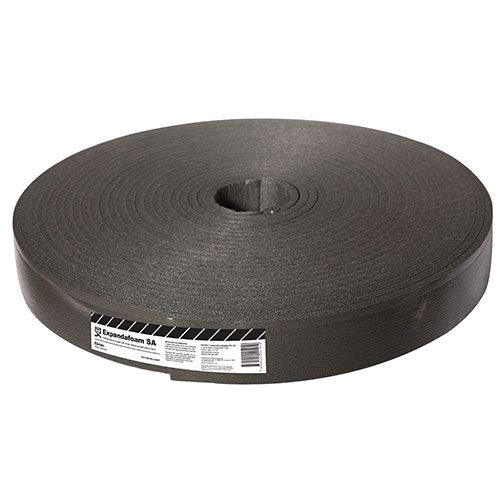
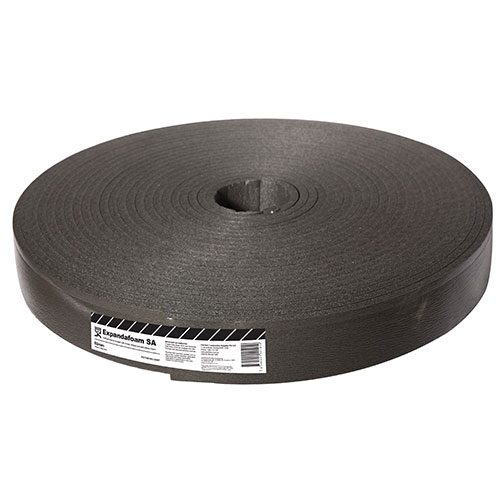
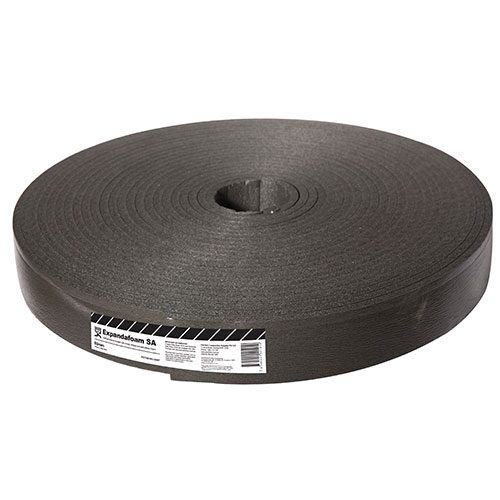
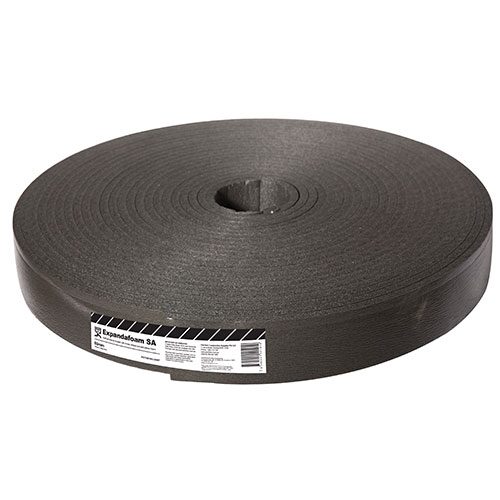
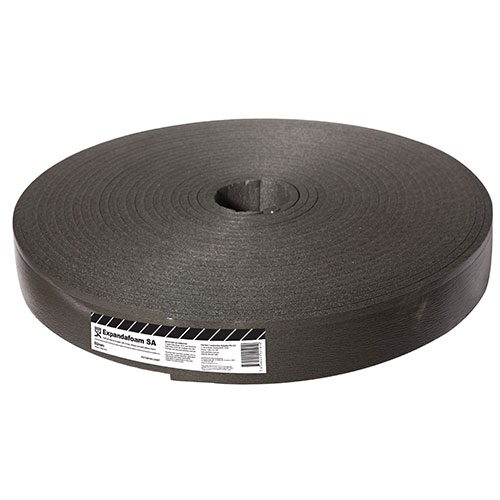
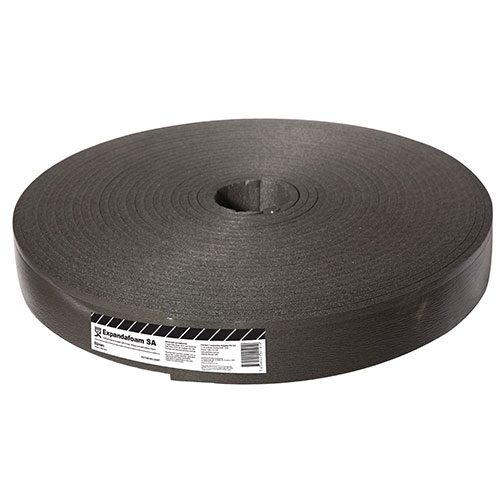
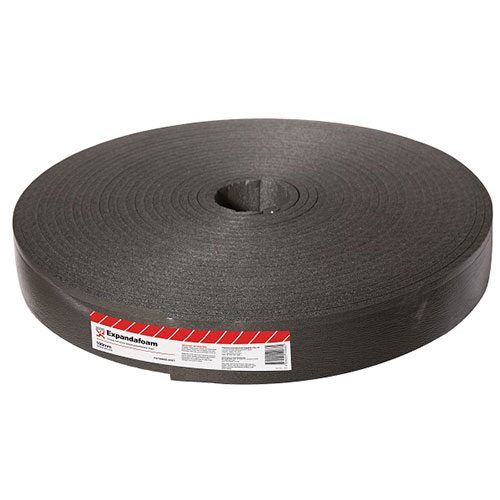
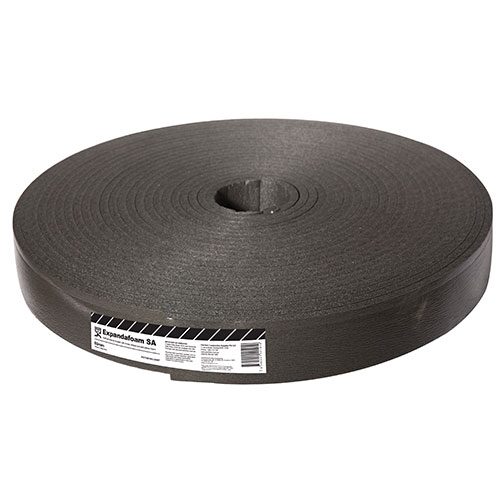
Closed-cell polyethylene foam is light, does not absorb water, recovers well and is easy to cut on site, which makes it the general default for most concrete joints. Cross-linked grades offer higher density and better recovery where the joint works harder.
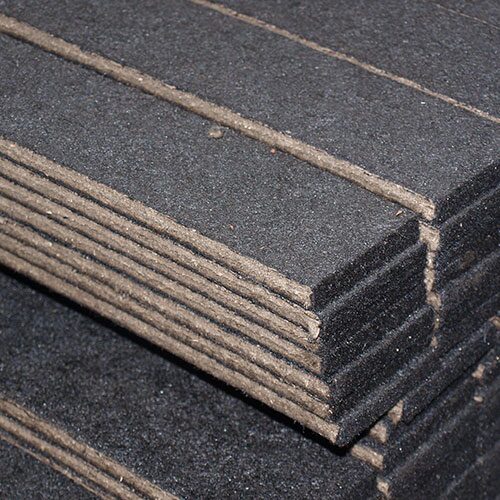
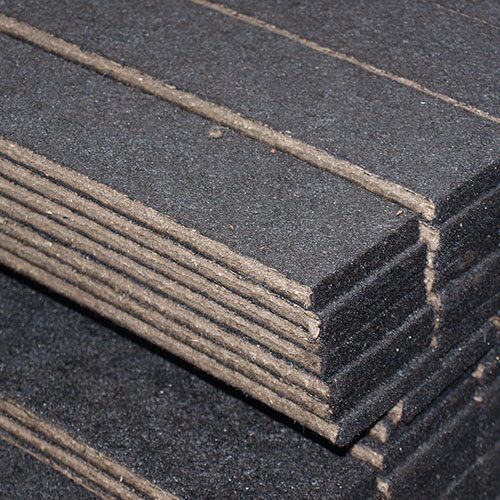
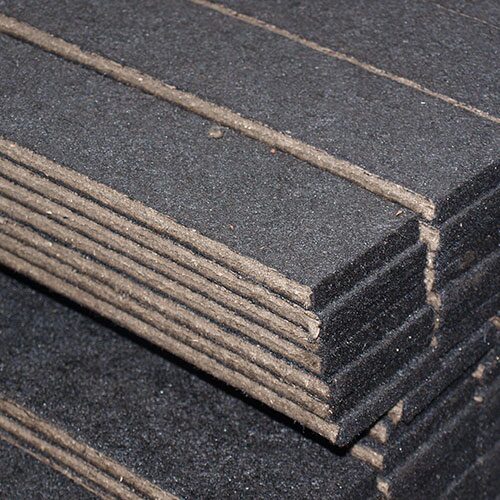
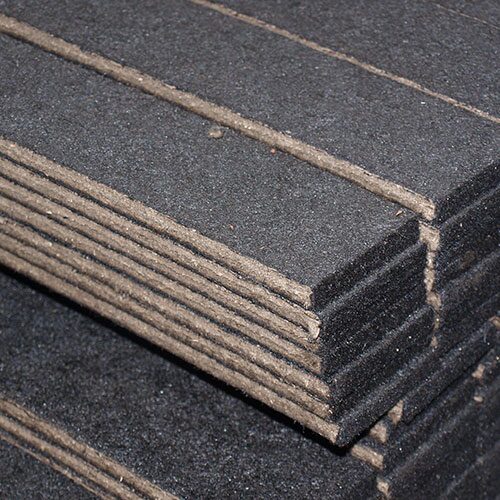
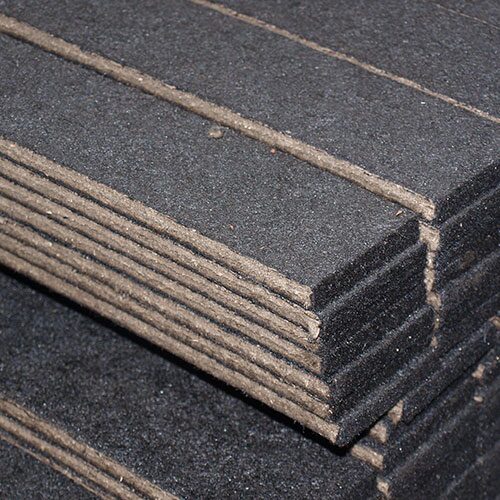
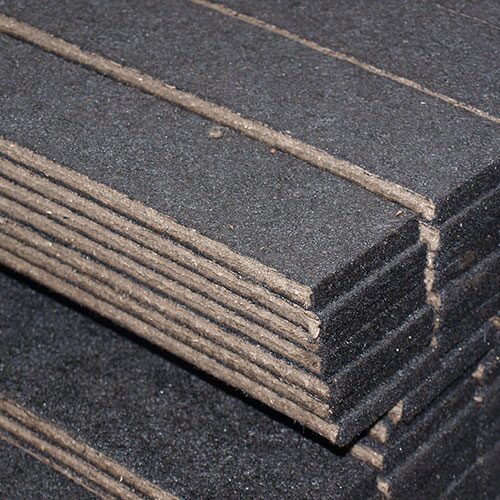
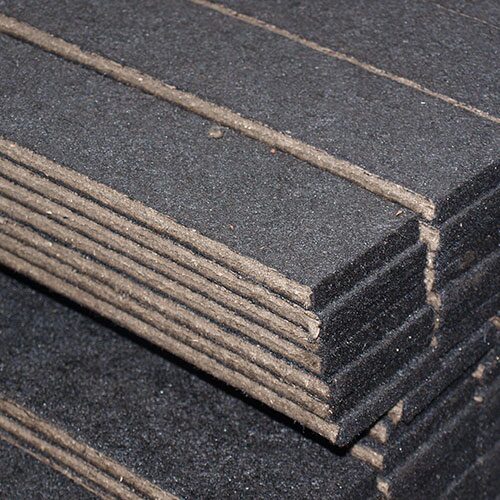
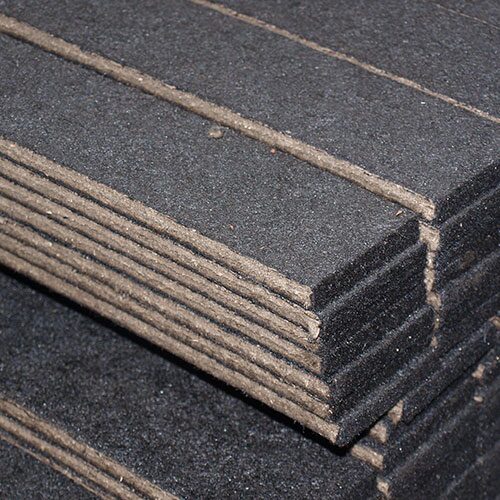
Bitumen-impregnated fibreboard is long established in civil and pavement work. It stands up well to placement but has lower recovery, meaning it does not push back out as the joint opens, and it can bleed bitumen in hot conditions. Cork and cork-rubber products sit between the two on recovery and compressibility.
Where the joint will later be sealed, filler compatibility with the sealant matters. Bitumen products can stain and can interfere with adhesion of some sealants, which is a reason to cap the filler correctly and confirm compatibility before specifying.
- Closed-cell PE foam: light, non-absorbent, good recovery
- Cross-linked foam: higher density where the joint works harder
- Bitumen fibreboard: hard-wearing, low recovery, can bleed in heat
- Self-adhesive grades: fix to formwork or an existing face
- Confirm sealant compatibility before specifying
Sizing the filler
Joint width is set by the design movement, the spacing of the joints and the coefficient of thermal expansion of the element. The filler is then sized to that joint, allowing for the compression it will see without being crushed solid, because a filler compressed to its limit transmits load across the joint and defeats the purpose.
Depth matters as much as width. The filler must leave a clean, correctly sized recess for the backer rod and sealant, and that recess has to be formed or cut accurately rather than improvised after the pour.
Expansion Joint Fillers in the catalogue
All Fosroc products →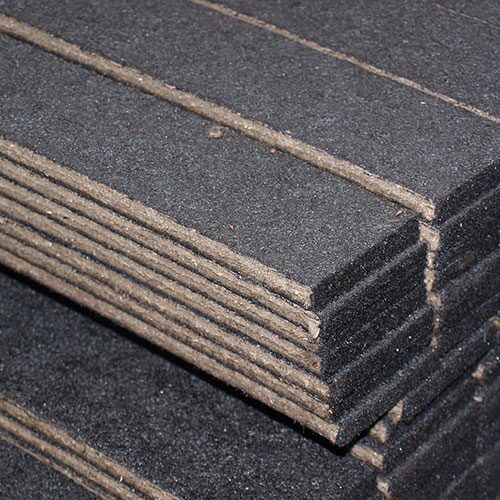
Expansion Joint Fillers: common questions
- Is joint filler the same as backer rod?
- No. Filler forms and occupies the joint and is normally placed before the pour. Backer rod sits under the sealant to control its depth and shape and to prevent three-sided adhesion. Some joints need both.
- Can I use open-cell foam as joint filler?
- Open-cell material absorbs water, which is a problem in external and below-ground joints, and it can outgas into curing sealant. Closed-cell products are the safer default, particularly where the joint will be sealed.
- How wide should an expansion joint be?
- It follows the expected movement, which depends on the element length, temperature range, material and restraint conditions. That is a design calculation rather than a rule of thumb, and on structural elements it should come from the engineer.
- Does the filler need to be removed before sealing?
- Not usually removed, but the top of the joint must be prepared so the sealant has clean joint faces and the correct depth. That often means cutting back the filler to form the sealant recess, then installing backer rod or bond breaker before sealing.